4 Muscle Soreness Myths That Are Sabotaging Your Progress
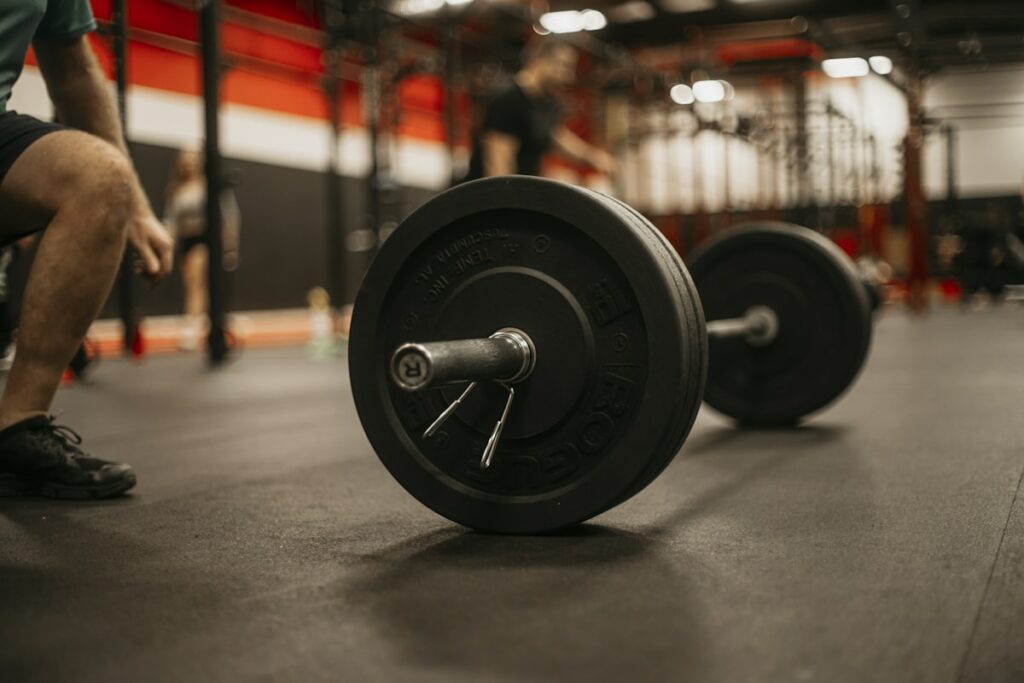
Think being sore is the only way to know you had a good workout? You are not alone. These common muscle soreness myths are holding millions back from their true fitness goals.
The Truth About Muscle Soreness Myths
Waking up so sore you can barely move is often seen as a badge of honor. Many people believe this pain is the ultimate proof of a tough workout. But is it actually necessary for results? Let us break down the science of muscle soreness and find out if pain really equals progress.
Fact #1: Soreness Does Not Equal Muscle Growth
Your body is incredibly smart and adapts to workouts quickly. When you do a new exercise, you get sore. This is a scientific principle called the repeated bout effect. Your central nervous system coordinates with your muscle fibers to become more efficient at the movement. Once this efficiency is established, the severe soreness stops happening. The goal is consistent adaptation and progressive overload, not constantly tricking your body just to feel pain.
According to research published in the Journal of Strength and Conditioning, muscle hypertrophy occurs perfectly well without extreme soreness. Chasing that next day ache often leads to program hopping. Program hopping prevents you from mastering any specific movements and stalls your long term progress. You need to perform an exercise repeatedly to build genuine strength in that movement pattern.
- Key Takeaway: Consistent routines build muscle better than random workouts that make you sore.
- Action Item: Stick to a consistent routine for 4 to 8 weeks instead of constantly switching exercises.
- Bonus Tip: Measure your progress by strength increases rather than pain levels.
How Body Journey Helps: Log your consistent workouts in Body Journey and watch your strength increase even when the soreness disappears.
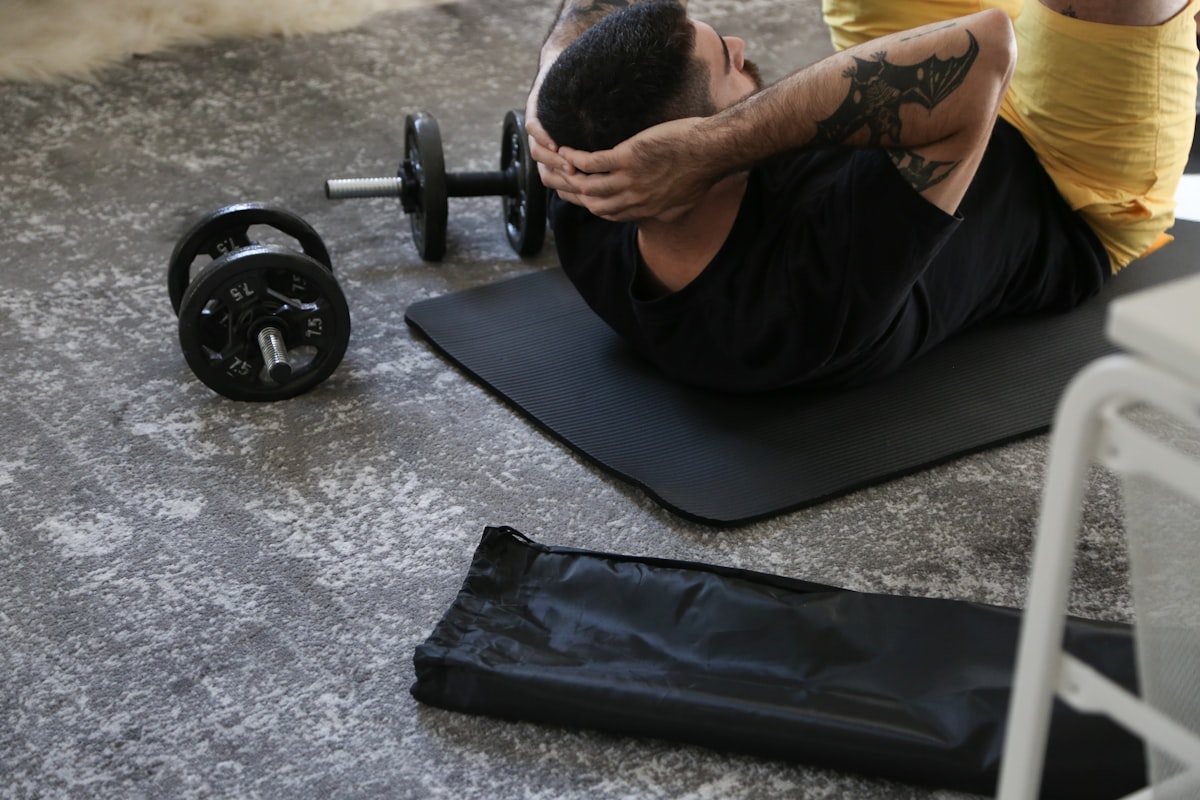
Fact #2: Lactic Acid Is Not the Enemy
Let us clear up this myth once and for all. For decades, fitness magazines blamed lactic acid for next day muscle soreness. They claimed this acid pooled in your muscles and caused the burning sensation. Science has your back on this one: lactic acid clears out of your muscles within an hour after exercise. It is actually an important fuel source during your workout, not a toxic byproduct.
The soreness you actually feel is called Delayed Onset Muscle Soreness, or DOMS. This happens because of microscopic tears in your muscle fibers and the natural inflammation that follows. It is a sign of repair. When you lift weights, especially during the lowering phase of the movement, you create these tiny micro tears. Your body then sends nutrients and blood flow to the area to rebuild the tissue stronger than before.
- Key Takeaway: Lactic acid does not cause next day soreness.
- Action Item: Focus on proper nutrition, and learn when to actually drink your protein to heal these micro tears.
- Bonus Tip: Light activity the next day increases blood flow and speeds up the healing process.
How Body Journey Helps: Track your recovery metrics in Body Journey to ensure your body is healing optimally between sessions.

Fact #3: Chasing Pain Actually Ruins Your Gains
Working out when you are excessively sore alters your mechanics. Your body naturally compensates to avoid pain, which leads to poor form. Poor form increases your injury risk and shifts the work away from the target muscles. You might think you are pushing through the pain, but you are actually just teaching your body bad habits.
Furthermore, if you are constantly destroyed, you cannot train with adequate frequency or volume. True progress comes from accumulating high quality volume over time. You need to be fresh enough to perform at your best during every session. Hitting a muscle group two or three times a week with moderate soreness will always yield better results than destroying it once a week and spending six days recovering.
- Key Takeaway: Working out through severe soreness compromises your form and limits progress.
- Action Item: Measure progress by the weight on the bar or reps completed.
- Bonus Tip: Take a light walk as active recovery on rest days if your muscles are too sore for heavy lifting.
How Body Journey Helps: Use the progress charts in Body Journey to see your actual performance improving over time, rather than relying on how much you hurt.
Fact #4: More Sweat Does Not Mean a Better Workout
Another common belief tied to muscle soreness myths is that a pool of sweat proves you worked hard. Sweating is simply your body regulating its temperature. It has very little to do with how many calories you burned or how much muscle you built.
Some people naturally sweat more than others. The temperature of the gym and the clothes you wear play a much bigger role in sweat production than the actual intensity of your workout. If you judge your workouts by sweat and soreness, you are missing the most important metrics.
- Key Takeaway: Sweat is a temperature control mechanism, not a fat loss indicator.
- Action Item: Drink plenty of water and measure your workout quality by your energy levels and performance.
- Bonus Tip: Wear breathable clothing to allow your body to cool itself efficiently during heavy lifts.
How Body Journey Helps: Body Journey allows you to log the specific details of your training session so you can track the variables that actually matter.
The Bottom Line
Soreness has its place, especially when you are just starting out, but it is not the magic metric for success. Just like you should understand why the scale is lying to you, you must realize that pain does not equal progress. Focus on consistent strength training, proper nutrition, and steady performance gains.
Take Action Today
Stop letting muscle soreness myths hold you back. Download Body Journey to track your workouts, monitor your actual progress, and see real results. Your transformation starts with training smarter, not just harder.