The Science of Hydration: Why Drinking Water Isn’t Enough for Peak Performance
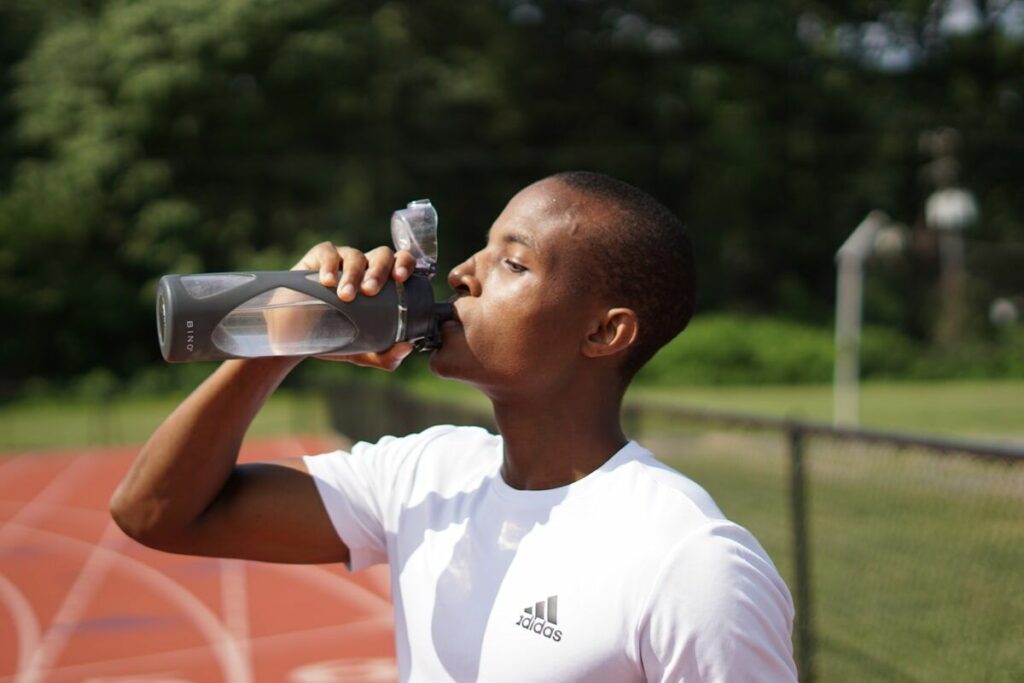
Staying hydrated is a fundamental element of recovery that works hand-in-hand with daily nutrition and macro tracking.
You already know that drinking water is important. You carry your gallon jug everywhere and diligently sip between sets. But if you are still feeling sluggish, cramping up, or struggling to push through your final reps, plain water might not be enough. The science of hydration goes far beyond just hitting an arbitrary daily ounce goal.
When we train hard and sweat, we do not just lose water. We lose a complex matrix of essential minerals that dictate how our muscles fire and how our brain communicates with our body. Replacing the water without replacing these critical minerals is like putting gas in a car that has no oil. It will run for a while, but eventually, the entire system breaks down.
Many athletes plateau in their training not because of bad programming, but because their cellular environment is compromised. The secret to peak performance, sustained energy, and faster recovery lies in understanding what your body actually needs. By mastering the science of hydration, you can unlock better endurance, sharper mental focus, and more effective muscle growth.
The Science of Hydration and Electrolytes
To truly grasp the science of hydration, we have to look at the cellular level. Your body operates on electrical impulses. Every time you contract a muscle to lift a weight or think a thought to focus on your form, electrical signals are firing. Electrolytes are the specific minerals that carry these signals across cell membranes. The main players in this process are sodium, potassium, magnesium, and calcium.
According to research published in the Journal of Athletic Training, losing just two percent of your body weight in fluids can significantly impair both physical and cognitive performance. When you are dehydrated, your blood volume decreases. This forces your heart to work much harder to pump oxygen and nutrients to your working muscles, leading to premature fatigue.
As you sweat, sodium is the primary electrolyte lost in the highest quantities, followed closely by potassium. If you drink large amounts of plain water during heavy sweating without replacing these electrolytes, you can actually dilute your blood’s sodium levels further. This condition, known as hyponatremia, drastically decreases your muscle’s ability to contract forcefully. To maintain the science of hydration effectively, you must replace the exact components you are losing, not just the water.
- Key Mechanism: Electrolytes maintain the delicate fluid balance inside and outside your cells. This osmotic pressure is what allows for proper muscle contraction, nerve function, and nutrient delivery.
- Impact on Results: Proper hydration with electrolytes delays the onset of fatigue, prevents painful muscle cramping, and helps deliver amino acids to repairing muscles immediately after your workout.

Practical Application: How to Hydrate for Performance
Understanding the theory is only half the battle. Applying the science of hydration to your daily routine requires intention, consistency, and precise timing. It is not just about drinking when you are thirsty. Here are four detailed strategies to optimize your fluid intake for maximum results.
Strategy 1: Pre-Hydrate Intelligently
Do not wait until you step into the gym to start drinking. Thirst is actually a delayed indicator that you are already slightly dehydrated. Aim to drink 16 to 20 ounces of fluid about two hours before you start training. This generous window gives your body ample time to absorb the water into your tissues and excrete any excess.
To take this a step further, consider adding a small pinch of high-quality sea salt or a balanced electrolyte powder to this pre-workout drink. The sodium primes your system to hold onto the fluids, expanding your blood volume slightly and preparing your muscles for the impending cardiovascular work.
Strategy 2: Fuel the Active Session
If your workout lasts less than an hour and is not overly intense in a hot environment, plain water is usually sufficient. However, if you are training intensely, sweating heavily, or working out for longer than 60 minutes, you need a more robust strategy.
During these intense sessions, aim to consume 7 to 10 ounces of fluid every 10 to 20 minutes. This fluid should ideally contain a mix of sodium and potassium to replace exactly what is leaving your body through sweat. You can use a dedicated sports drink, but be mindful of excess sugar. Alternatively, simply add a sugar-free electrolyte packet to your water bottle.
Strategy 3: Replenish and Recover Post-Workout
After you finish lifting and racking your weights, your focus must immediately shift to recovery. Just like you need to optimize your protein intake to repair tissue, you must replace the fluids you lost to restore cellular function. A general rule of thumb is to drink 16 to 24 ounces of fluid for every pound of body weight lost during the exercise session.
Your post-workout hydration is most effective when paired with a balanced meal. The sodium and carbohydrates in your food will naturally help your body retain the water you are drinking, completing the recovery process efficiently.
Strategy 4: Daily Baseline Hydration
Your workout hydration is built on the foundation of your daily habits. A common baseline recommendation is to drink half of your body weight in ounces of water per day, before accounting for exercise. If you weigh 180 pounds, your absolute minimum baseline should be 90 ounces of water daily. If you train hard, you will need significantly more.
Common Myths vs. Reality
The fitness world is full of outdated and counterproductive advice regarding water intake. Let’s clear up a few of the most persistent myths surrounding hydration.
- Myth: “Coffee and tea completely dehydrate you.”
- Reality: While caffeine does have a mild diuretic effect, the actual volume of water in a cup of coffee or tea more than makes up for the slight fluid loss. These beverages still contribute positively to your total daily fluid intake, though they should not be your primary source of hydration.
- Myth: “Completely clear urine means you are perfectly hydrated.”
- Reality: While dark urine is a clear sign of dehydration, completely clear urine can actually be a sign of over-hydration. This means you are flushing out your system too quickly and diluting your essential electrolytes. Aim for a pale yellow color, similar to light lemonade, to indicate optimal balance.
- Myth: “Cramps are only caused by a lack of potassium.”
- Reality: While potassium is important, sodium depletion is far more often the culprit for exercise-induced muscle cramps. When sodium levels drop too low, the electrical signaling to the muscles misfires, causing the muscle to lock up.
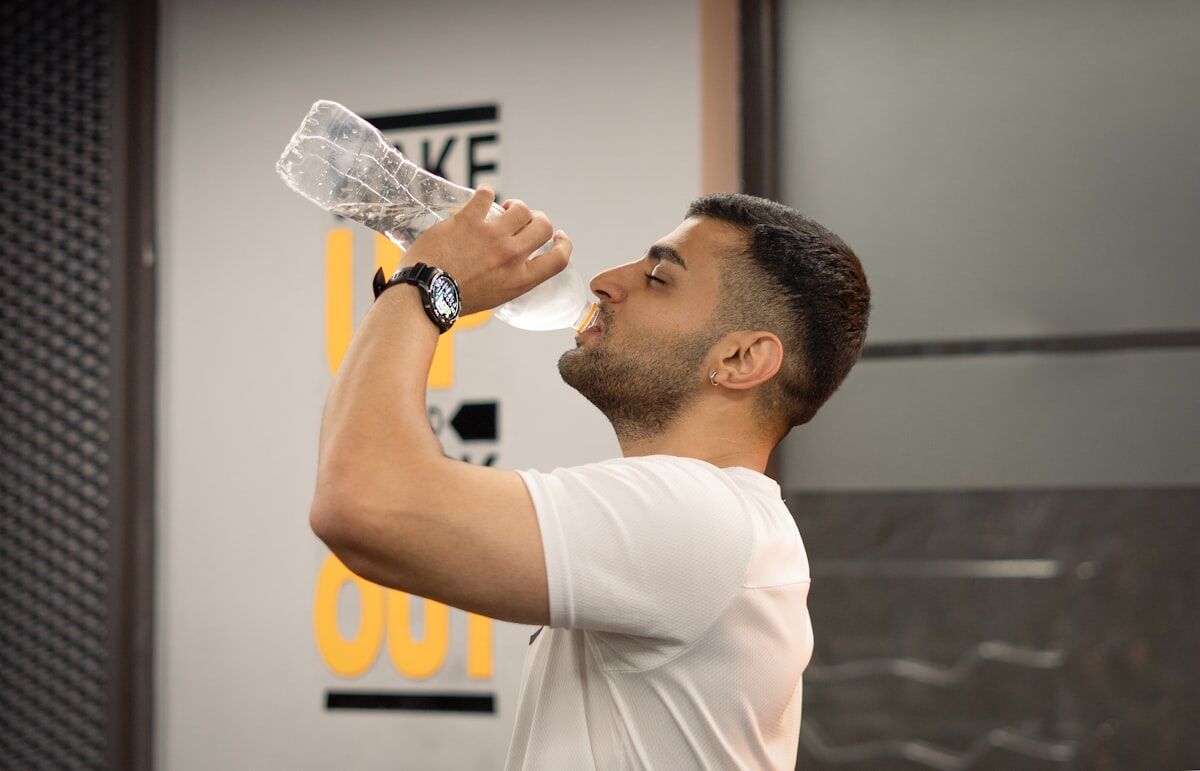
How Body Journey Helps You Track It
You cannot improve what you do not measure. Proper hydration is a daily habit, and habits require consistent tracking to become permanent. Relying solely on your memory or your thirst mechanism will inevitably lead to shortfalls. This is where your digital tools make a massive difference.
- Feature: Water Tracking
- How to Use: Set a personalized daily water goal based on your body weight and activity level. Log your intake throughout the day in Body Journey to ensure you never fall behind. Seeing the progress bar fill up provides a psychological reward that reinforces the habit.
- Feature: Notes & Journaling
- How to Use: Document your subjective feelings. Track your energy levels, muscle pump quality, and any instances of cramping. If you notice a pattern of feeling depleted or experiencing headaches, you can cross-reference this with your water and nutrition logs to pinpoint the exact issue.
Pairing your precise hydration data with your sleep recovery metrics will give you a comprehensive, 360-degree picture of your body’s readiness to perform.
The Protocol
Start treating your hydration strategy with the exact same seriousness and discipline as your lifting program. Follow this simple, actionable protocol this week to feel the difference.
- Start Strong in the Morning: Drink 16 ounces of water with a small pinch of sea salt immediately upon waking up. This rehydrates you after a long night of sleep and primes your system for the day.
- Track the Intake Religiously: Use Body Journey to log every single glass or bottle of water. Hit your baseline goal every day, no excuses.
- Boost the Hardest Workout: For your toughest, longest training session of the week, add a dedicated electrolyte supplement to your gym bottle. Pay close attention and note the difference in your performance, pump, and endurance during the final sets.
The Bottom Line
Drinking water is essential, but it is only one piece of a much larger physiological puzzle. By actively replacing lost electrolytes and timing your fluid intake properly, you support stronger muscle contractions, faster tissue recovery, and sustained mental energy. Stop leaving your gym performance to chance and start hydrating like an elite athlete.
Fuel Your Progress
Are you ready to dial in the finer details that actually move the needle on your physique and performance? Download Body Journey today to track your daily hydration, monitor your complete nutrition profile, and visualize your progress over time. Master the science of hydration and give your body the exact fuel it needs to perform at its absolute best.