Active Recovery: What to Do on Rest Days for Maximum Gains
You train hard all week, pushing your body to its limits. When your rest day finally arrives, your instinct might be to crash on the couch and do absolutely nothing. While total rest certainly has its place, an active recovery workout can actually accelerate your progress. Understanding how to navigate your days off is just as important as the effort you put into your training sessions. To fuel your active recovery sessions properly, ensure you are also staying on top of your nutrition and macro tracking.
If you want to build muscle and improve your performance, you need to rethink your approach to rest days. Download Body Journey to start tracking your recovery habits alongside your workouts.
The Science of Active Recovery Workouts
Active recovery involves performing low-intensity exercise on your days off from heavy training. Rather than letting your body sit stagnant, this light movement increases blood flow to your muscles. According to research published in the Journal of Sports Sciences, this enhanced circulation helps clear out metabolic waste products that accumulate during intense exercise.
When you sit completely still for 24 hours, your muscles can become stiff and tight. An active recovery workout gently mobilizes your joints and maintains your range of motion. This is especially crucial if you have just completed a demanding session like an upper body hypertrophy workout. By incorporating light movement, you reduce the severity of delayed onset muscle soreness and prepare your body for your next heavy lifting day.
Furthermore, this gentle stimulation encourages the delivery of vital nutrients. Amino acids and oxygen are transported more efficiently through your bloodstream when you are active. This means your damaged muscle fibers receive the exact building blocks they need to repair and grow larger.
- Key Mechanism: Low-intensity movement increases circulation without stressing the central nervous system.
- Impact on Results: Faster nutrient delivery to damaged muscle tissues means quicker repairs and better overall growth.
The Central Nervous System Connection
Your muscles are not the only things that need a break. Heavy lifting places an enormous demand on your central nervous system. This network is responsible for recruiting muscle fibers and generating force. When it becomes fatigued, your strength drops rapidly.
An active recovery workout helps your central nervous system transition out of a highly stressed, sympathetic state. It encourages a shift toward the parasympathetic state, which is commonly known as the rest and digest phase. By focusing on breathing and gentle movement, you signal to your brain that it is safe to begin the deep restorative processes required for adaptation.
Practical Application: How to Structure Active Recovery
The goal of an active recovery workout is to feel significantly better when you finish than when you started. If you feel fatigued or out of breath, you are pushing too hard. Here are three highly effective strategies to implement on your scheduled rest days.
Strategy 1: Low-Intensity Steady State Cardio
Walking, light cycling, or easy swimming are perfect choices for active recovery. The objective is simply to elevate your heart rate slightly and get your blood pumping. Keep the duration between 20 and 45 minutes. You must be able to maintain a normal, unbroken conversation the entire time.
This type of movement flushes out lactic acid without creating any new muscle damage. It is a fantastic way to burn a few extra calories while actively aiding your biological recovery process. A brisk walk outdoors also exposes you to natural sunlight, which can help regulate your circadian rhythm and improve your sleep quality later that night.
Strategy 2: Mobility and Myofascial Release
Dedicated mobility work is often neglected, but rest days provide the perfect opportunity to address tight areas. Spend 15 minutes working through full-body mobility flows. Focus heavily on your hips, ankles, and thoracic spine, as these areas tend to become rigid from heavy compound lifting.
Combine this with gentle foam rolling. Foam rolling acts as a self-massage, helping to release muscle knots and improve tissue elasticity. If you are dealing with severe muscle soreness, foam rolling can provide temporary relief and restore your natural movement patterns. Focus on slow, controlled passes over the belly of the muscle.
Strategy 3: Yoga or Dynamic Stretching
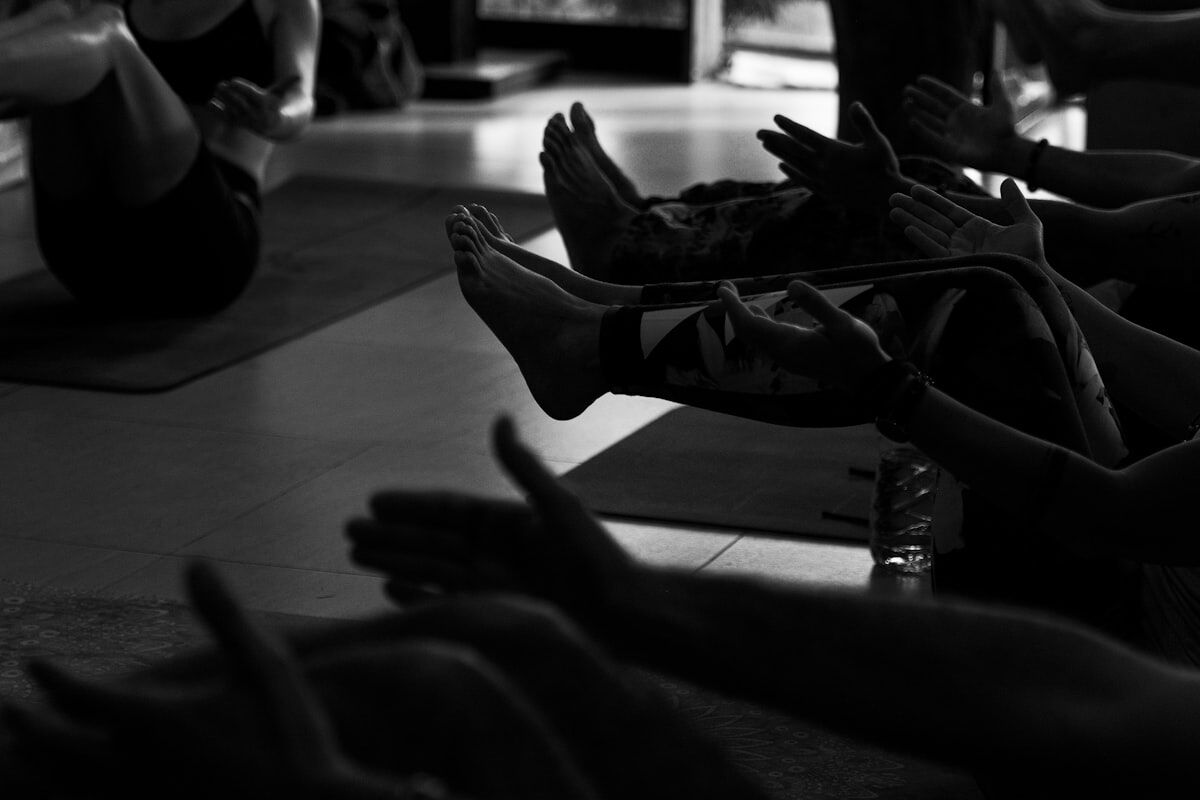
A restorative yoga class or a series of dynamic stretches can work absolute wonders for your nervous system. These practices emphasize deep, controlled breathing, which helps shift your body from a stressed state into a relaxed state. Lowering your daily stress levels is a crucial component for optimal muscle growth.
Avoid intense power yoga sessions that require significant muscular endurance. Stick to gentle routines that prioritize stretching and deep breathing over holding difficult or exhausting poses.
Nutrition on Rest Days
Many people make the mistake of severely cutting their calories on rest days. Because you are not training hard, you might assume you do not need the fuel. However, your body is actively building muscle on these days, and that process requires adequate energy.
Maintain a high protein intake to support tissue repair. You might slightly reduce your carbohydrate consumption since your immediate energy demands are lower, but do not drop your calories drastically. Feed your body properly so it has the resources to recover and adapt to the stress you applied earlier in the week.
Common Myths vs. Reality
There is a lot of confusion surrounding rest days and recovery. Let us clear up some of the most persistent misunderstandings that might be holding you back.
- Myth: Taking a day off means you are losing your progress.
- Reality: Muscle tissue grows and repairs itself during periods of rest, not while you are lifting heavy weights in the gym.
- Myth: You must sweat heavily for a workout to count.
- Reality: Active recovery workouts are specifically designed to be easy and restorative. Profuse sweating is definitely not the goal.
How Body Journey Helps You Track It
Managing your recovery is just as critical as logging your heavy lifts. Body Journey provides the exact tools you need to monitor your rest days and ensure you are bouncing back effectively.
- Feature: Custom Workout Logging.
- How to Use: Create a custom routine specifically for your active recovery workout. Add exercises like foam rolling, walking, or mobility drills. This helps you maintain the habit of dedicating time to your recovery.
- Feature: Nutrition Logging.
- How to Use: Monitor your daily protein intake on rest days. Ensure you are hitting your macro targets even when you are not training, so your muscles have the fuel they need to rebuild.

The Protocol
Ready to optimize your next rest day? Follow this simple protocol to implement an effective active recovery workout that supports your goals.
- Step 1: Start with a 20-minute brisk walk outdoors or a light spin on a stationary bike to get your blood flowing.
- Step 2: Spend 10 minutes foam rolling your quads, hamstrings, and upper back to release tension.
- Step 3: Finish with 10 minutes of deep, diaphragmatic breathing and gentle stretching to calm your nervous system.
The Bottom Line
Your training provides the stimulus for change, but your recovery determines your actual growth. By incorporating an active recovery workout into your weekly routine, you will reduce soreness, improve your mobility, and bounce back stronger for your next heavy session.
Fuel Your Progress
Do not leave your recovery to chance. Download Body Journey today to take complete control of your fitness tracking. With our custom logging features and comprehensive metrics dashboard, you can build a balanced routine that prioritizes both intense training and optimal recovery.