Build Strength: Full Body Workout for Beginners
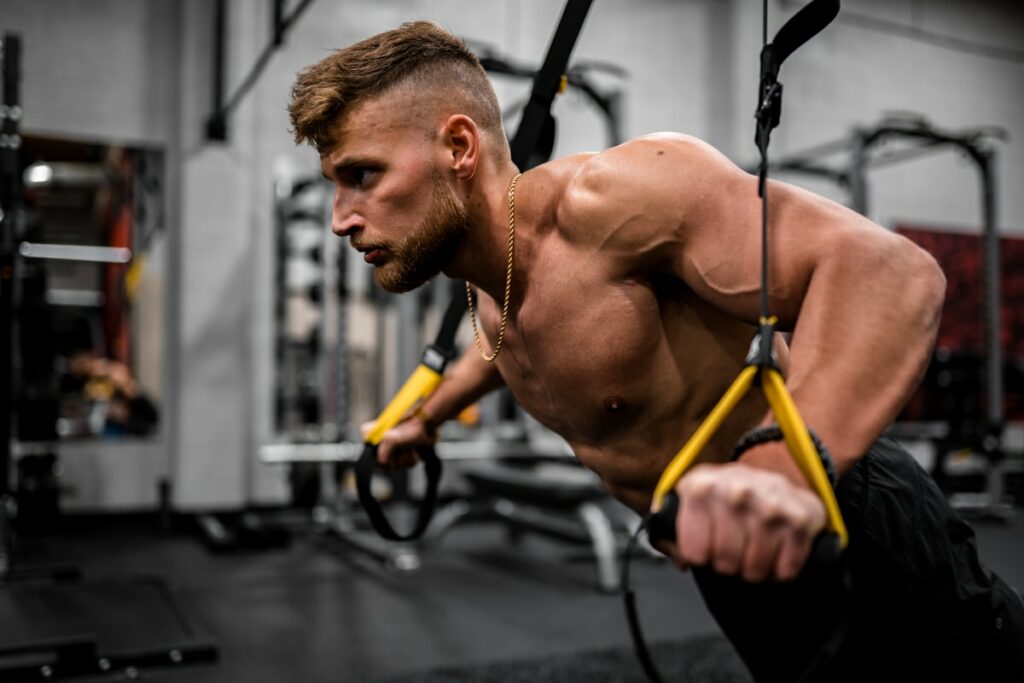
Starting with a structured full body routine is the ideal introduction to safe and sustainable workout training and programming.
You have likely heard that strength training is the closest thing we have to a fountain of youth. It boosts your metabolism, strengthens your bones, and completely changes your body composition. But walking into the weight room for the first time can be intimidating. There are so many machines, bars, and dumbbells that it is hard to know where to start. This full body strength routine for beginners cuts through the noise and gives you a simple, effective plan to build a strong foundation.
The truth is that you do not need a complicated split routine or fancy equipment to see results. In fact, for most beginners, a simple full body approach is superior. It allows you to practice the movements more frequently and stimulate your muscles often enough to trigger rapid growth and strength gains.
Who This Workout Is For
This routine is designed specifically for anyone in their first 6 to 12 months of lifting. If you are brand new to the gym or returning after a long break, this is the perfect place to start. It focuses on mastering the fundamental movement patterns that you will use for the rest of your lifting career.
- Fitness Level: Beginner
- Equipment Needed: Dumbbells, bench, cable machine (or bands)
- Time Required: 45-60 minutes
- Training Focus: Full Body Strength & Hypertrophy
Program Overview
This program follows a full body split, which means you will train every major muscle group in a single session. According to ACSM guidelines on strength training, beginners see the best results when training 2 to 3 times per week on non-consecutive days. This frequency strikes the perfect balance between stimulation and recovery.
Training Split: 3 Days Per Week (e.g., Monday, Wednesday, Friday)
Rest Between Sets: 90-120 seconds
Warm-Up (5-10 Minutes)
Never skip your warm-up. It prepares your joints for the work ahead and increases blood flow to your muscles. A good warm-up can prevent injury and actually helps you lift more weight.
Dynamic Warm-Up Sequence
- Arm Circles – 30 seconds forward, 30 seconds backward. loosen up the shoulder capsule.
- Bodyweight Squats – 15 reps. Focus on depth and keeping your chest up.
- Leg Swings – 15 reps per leg (forward/back and side-to-side). Opens up the hips.
- Plank to Downward Dog – 10 reps. Activates the core and stretches the hamstrings.
The Workout
Exercise 1: Goblet Squat
Sets: 3 | Reps: 10-12 | Rest: 90 seconds
The squat is the king of leg exercises, but the barbell back squat can be tricky to learn. The goblet squat is the perfect alternative. By holding the weight in front of your chest, you automatically keep your torso more upright and learn to sit back into your hips correctly. This movement targets your quads, glutes, and core.
How to Perform:
1. Hold a dumbbell or kettlebell vertically against your chest with both hands cupping the top end.
2. Set your feet shoulder-width apart with toes pointing slightly out.
3. Lower your hips down and back as if sitting in a chair. Keep your chest up and elbows inside your knees.
4. Go as deep as you can while keeping your heels flat on the floor.
5. Drive through your heels to stand back up to the starting position.
Form Cues:
– Keep the weight glued to your chest.
– Drive your knees out so they track over your toes.
– Do not let your heels lift off the ground.
Modifications:
– Beginner: Sit to a box or bench to learn the depth.
– Advanced: Pause for 2 seconds at the bottom of each rep.
How Body Journey Helps: Log your weight and reps for every set. Seeing your squat numbers go up over time is one of the most satisfying parts of strength training. Download Body Journey to start tracking your leg strength today.
Exercise 2: Dumbbell Bench Press
Sets: 3 | Reps: 10-12 | Rest: 90 seconds
This compound pushing movement targets your chest, shoulders, and triceps. Using dumbbells instead of a barbell allows for a greater range of motion and ensures both arms work equally, preventing muscle imbalances.
How to Perform:
1. Sit on a bench with a dumbbell in each hand resting on your thighs.
2. Lie back and press the weights up above your chest with palms facing forward.
3. Lower the weights slowly until your elbows are at a 45-degree angle to your body (not flared out wide).
4. Press the weights back up to the top without clanking them together.
Form Cues:
– Keep your feet flat on the floor for stability.
– Retract your shoulder blades (pinch them together) on the bench.
– Control the weight on the way down.
How Body Journey Helps: Use the app’s rest timer to ensure you are taking consistent breaks between sets. This keeps your workout honest and intense.
Exercise 3: Seated Cable Row
Sets: 3 | Reps: 10-12 | Rest: 90 seconds
A strong back is essential for posture and shoulder health. The seated cable row targets the lats, rhomboids, and biceps. It is a horizontal pull that balances out the pushing motion of the bench press.
How to Perform:
1. Sit at a cable machine with your feet on the platform and knees slightly bent.
2. Grab the V-handle attachment with both hands.
3. Keep your back straight and pull the handle towards your lower stomach.
4. Squeeze your shoulder blades together at the peak of the movement.
5. Slowly extend your arms back to the starting position, letting your lats stretch.
Form Cues:
– Initiate the pull with your elbows, not your hands.
– Keep your chest up and proud throughout the movement.
– Avoid swinging your torso back and forth to move the weight.
Modifications:
– Alternative: Use a resistance band seated on the floor or perform a single-arm dumbbell row on a bench.
Exercise 4: Dumbbell Overhead Press
Sets: 3 | Reps: 10-12 | Rest: 90 seconds
Vertical pressing builds strong, capped shoulders and improves overhead stability. This exercise primarily works the deltoids and triceps. Standing while pressing also engages your core to maintain stability.
How to Perform:
1. Stand with feet shoulder-width apart, holding dumbbells at shoulder height.
2. Brace your core and press the weights directly overhead.
3. Lock out your elbows at the top without shrugging your shoulders.
4. Lower the weights back down to shoulder height with control.
Form Cues:
– Do not arch your lower back excessively. Squeeze your glutes to protect your spine.
– Press the weights straight up, not out in front of you.
How Body Journey Helps: Overhead strength can progress slowly. Body Journey’s charts let you visualize even small improvements over months, keeping you motivated when the going gets tough.
Exercise 5: Romanian Deadlift (Dumbbell)
Sets: 3 | Reps: 10-12 | Rest: 90 seconds
The posterior chain (hamstrings, glutes, and lower back) is often neglected, but it is crucial for overall power and injury prevention. The Romanian Deadlift (RDL) is a hip-hinge movement that builds these muscles effectively.
How to Perform:
1. Stand with feet hip-width apart holding dumbbells in front of your thighs.
2. Keep a slight bend in your knees but do not squat.
3. Push your hips backward as you lower the weights down the front of your legs.
4. Lower until you feel a deep stretch in your hamstrings (usually mid-shin level).
5. Squeeze your glutes and drive your hips forward to return to standing.
Form Cues:
– Keep your back perfectly flat like a table.
– Keep the weights close to your legs throughout the movement.
– Think about closing a car door with your butt.
Exercise 6: Plank
Sets: 3 | Hold: 30-45 seconds | Rest: 60 seconds
Core strength is the glue that holds your lifting together. The plank is an isometric exercise that teaches your core to resist extension, protecting your lower back during squats and overhead presses.
How to Perform:
1. Get into a push-up position but rest on your forearms instead of your hands.
2. Your elbows should be directly under your shoulders.
3. Create a straight line from your head to your heels.
4. Squeeze your glutes and brace your abs as if someone is about to punch you in the stomach.
5. Hold for time.
Common Mistakes:
– Letting the hips sag (stress on lower back).
– Piking the hips too high (cheating).
Cool-Down and Stretching (5-10 Minutes)
After your workout, take a few minutes to bring your heart rate down and stretch the muscles you just worked. This aids in recovery and improves flexibility over time.
Static Stretch Sequence
1. Doorway Chest Stretch – 30 seconds per side.
2. Standing Quad Stretch – 30 seconds per leg.
3. Seated Hamstring Stretch – 30 seconds per leg.
4. Child’s Pose – 60 seconds. Releases tension in the back.
Progression Strategy
The key to building muscle and strength is progressive overload. This simply means doing a little bit more work over time. You cannot lift the same pink dumbbells for a year and expect to change.
Week 1-4: Focus on mastering the form. Keep the weight light enough that you can perform all reps with perfect technique.
Week 5-8: Start adding weight. If you can complete 3 sets of 12 reps with good form, increase the weight by 5 lbs (or the smallest increment available) in the next session.
Tracking Your Progress: This is where Body Journey shines. You need to know exactly what you lifted last time to know what to lift today. The app remembers your last weight and reps for every exercise, taking the guesswork out of progression. Get Body Journey and make every workout count.

Recovery and Frequency
Your muscles do not grow while you are working out; they grow while you rest. The benefits of resistance training are maximized when you prioritize recovery.
Since this is a full body routine, you need at least one day of rest between sessions. A typical schedule looks like Mon/Wed/Fri or Tue/Thu/Sat. On your off days, stay active with light walking or mobility work, but avoid heavy lifting.
Body Journey Tip: You can also track your visual progress in the app. Take progress photos every few weeks to see how your body composition is changing along with your strength numbers. Learn more about tracking your visual transformation.
Common Questions
How heavy should I lift?
Select a weight that makes the last 2-3 reps of each set feel challenging but doable with good form. If you finish your set and feel like you could have done 10 more, it is too light. If your form breaks down on rep 5, it is too heavy.
Will this make me bulky?
No. Building significant muscle mass takes years of dedicated training and specific nutritional surplus. This routine will make you strong, toned, and defined.
What if I miss a workout?
Consistency is key, but life happens. If you miss a day, just pick up where you left off. Do not try to double up workouts to make up for it.
The Bottom Line
This full body strength routine for beginners is your roadmap to a stronger, healthier body. It focuses on the most effective exercises and provides a clear path for progression. The magic lies in simplicity and consistency. Stick to the plan, focus on your form, and be patient with the process.
Start Your Transformation Today
Knowledge without action is useless. You have the plan; now you need the tool to keep you on track. Download Body Journey today to log your first workout. Track your weights, monitor your progress, and build the discipline that leads to lasting change. Your future self is waiting.
Related Content
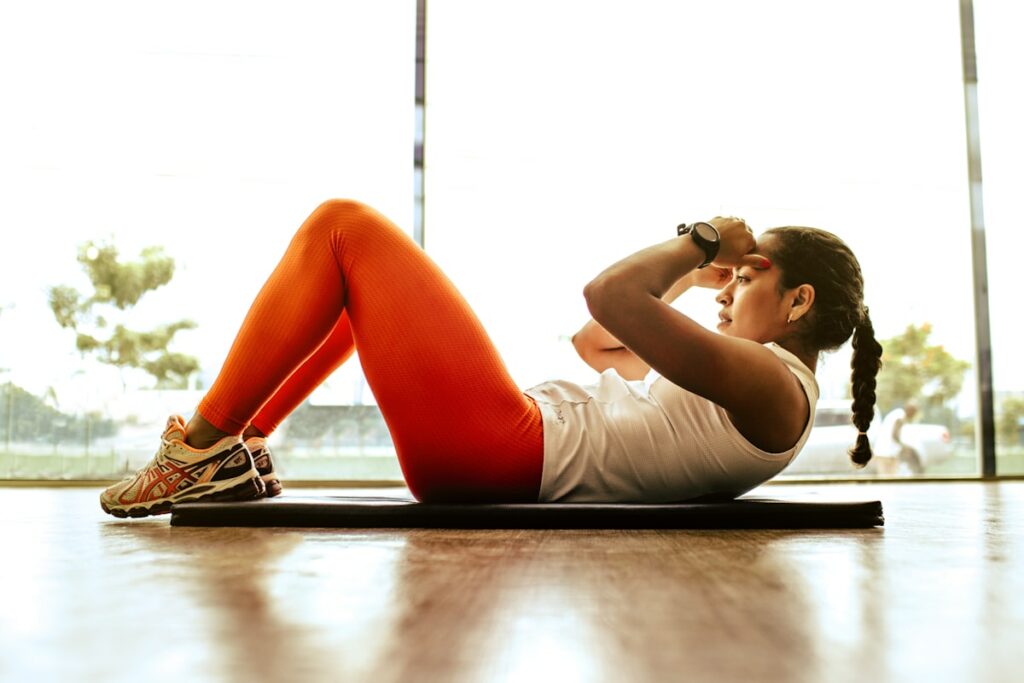
30-Minute HIIT Workout: Burn Fat Fast at Home
Torch calories and boost your metabolism with this 30-minute HIIT workout you can do at home. No equipment needed—just pure effort and results.
Build Legs: The Ultimate Lower Body Hypertrophy Workout
The ultimate lower body hypertrophy workout to build massive quads, hamstrings, and glutes. Includes squats, RDLs, and lunges with full form guides and progression tips.