Build Legs: The Ultimate Lower Body Hypertrophy Workout
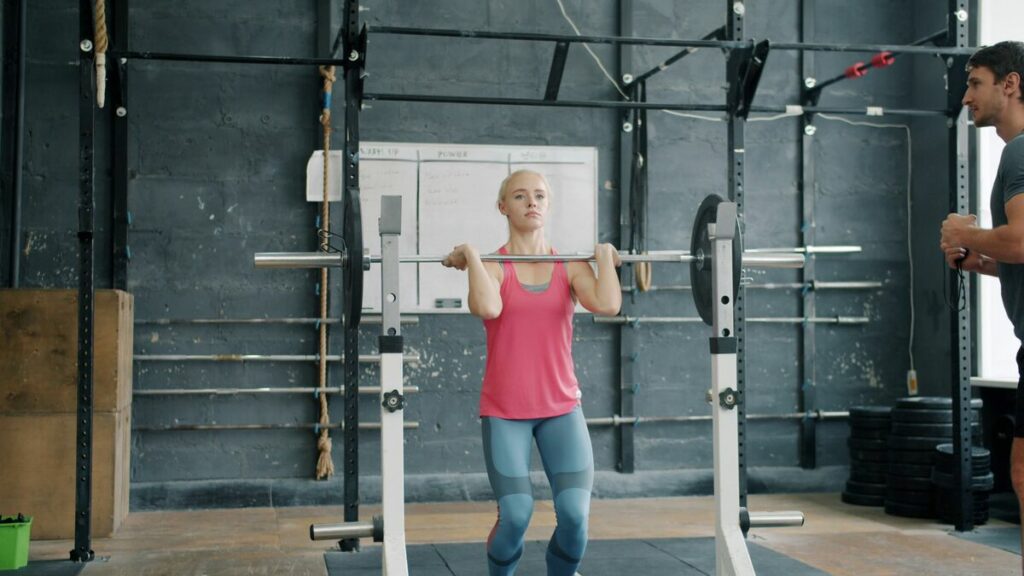
You can tell a lot about a lifter by looking at their legs. A massive upper body with stick legs screams “skipper,” but a pair of well-developed quads and hamstrings commands respect. It shows you are willing to do the hard work that most people avoid. This ultimate lower body hypertrophy workout is your ticket to building wheels of steel.
We are not just going through the motions here. This routine is designed to maximize mechanical tension and metabolic stress—the primary drivers of muscle growth. We will be hitting the quads, hamstrings, glutes, and calves with a mix of heavy compound lifts and targeted isolation work. Get ready to limp tomorrow.
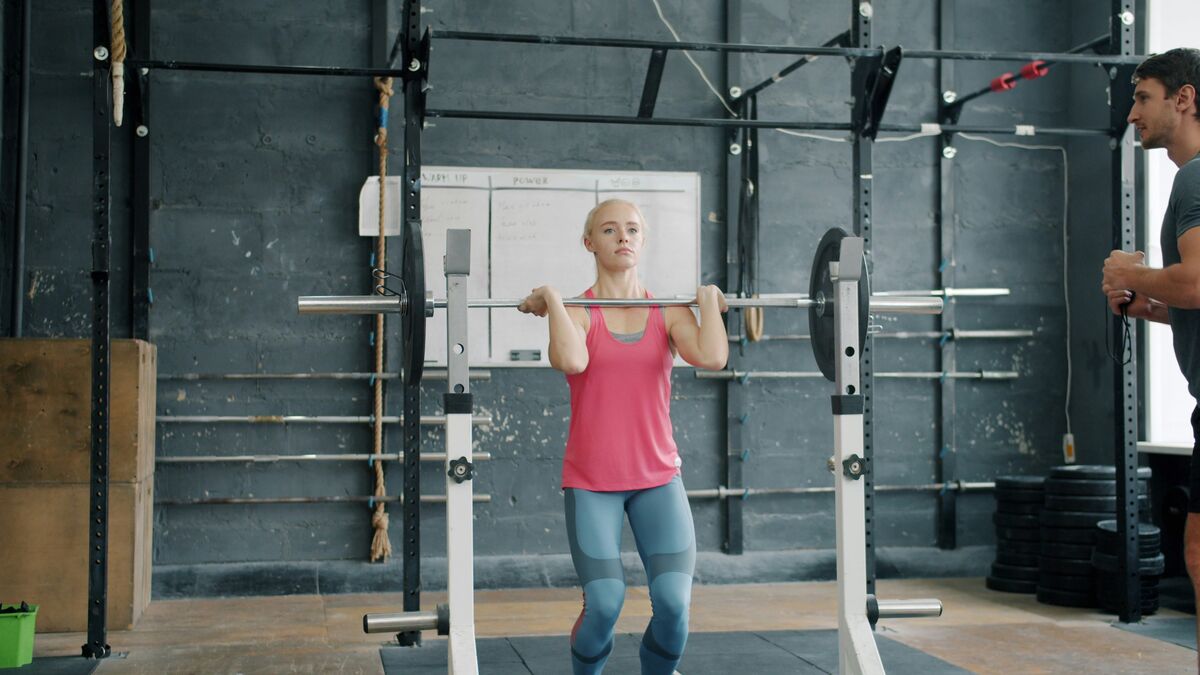
Who This Workout Is For
This session is perfect for intermediate lifters who have mastered the basics in our full body strength routine and are ready to specialize. If you are running an Upper/Lower split, pair this with our Ultimate Upper Body Hypertrophy Workout for a complete physique transformation.
- Fitness Level: Intermediate
- Equipment Needed: Barbell, dumbbells, leg press, leg curl machine
- Time Required: 60-75 minutes
- Training Focus: Lower Body Hypertrophy (Size & Strength)
Program Overview
The legs are large, powerful muscle groups that require significant volume to grow. Recent research on resistance training volume suggests that higher weekly set volumes are superior for hypertrophy, provided you can recover. That is why we are hitting the legs from multiple angles.
Training Split: 4 Days Per Week (Upper/Lower/Rest/Upper/Lower)
Frequency: Perform this workout twice per week
Rest Between Sets: 2-3 minutes for compounds, 60-90 seconds for isolation
Warm-Up (5-10 Minutes)
Do not even think about getting under the bar cold. We need to open up the hips, ankles, and knees to ensure you can hit full depth safely.
Dynamic Warm-Up Sequence
- Leg Swings – 15 reps per leg (forward/back and side-to-side).
- Bodyweight Squats – 20 reps. Focus on sitting deep.
- Glute Bridges – 15 reps. Wake up your glutes so they fire during squats.
- World’s Greatest Stretch – 5 reps per side. Opens hips and thoracic spine.
The Workout
Exercise 1: Barbell Back Squat
Sets: 4 | Reps: 6-8 | Rest: 3 minutes
The squat is non-negotiable. It recruits the most muscle mass and allows for the heaviest loading. We are placing it first when you are fresh to maximize mechanical tension.
How to Perform:
1. Step under the bar and rest it on your upper traps.
2. Unrack and take two steps back, feet shoulder-width apart.
3. Brace your core and break at the hips and knees simultaneously.
4. Lower until your hip crease is below your knee (parallel).
5. Drive through your mid-foot to stand back up.
Form Cues:
– Drive your knees out; do not let them cave in.
– Keep your chest up and eyes forward.
– Breath into your belly and brace hard before each rep.
Modifications:
– Back Pain: Front Squats or Goblet Squats encourage a more upright torso.
How Body Journey Helps: Squats require progressive overload. Use Body Journey to track your 4 sets. If you hit 8 reps on all sets, the app’s history will show you it is time to add weight next week.
Exercise 2: Romanian Deadlift (RDL)
Sets: 4 | Reps: 8-10 | Rest: 2-3 minutes
Now we target the posterior chain. The RDL is king for hamstring and glute development. Unlike a conventional deadlift, we start from the top and focus on the eccentric (lowering) portion to create massive muscle damage (the good kind).
How to Perform:
1. Stand holding a barbell or heavy dumbbells against your thighs.
2. Unlock your knees slightly (keep them fixed here).
3. Push your hips back as far as you can, sliding the weight down your legs.
4. Stop when you feel a deep stretch in your hamstrings (usually mid-shin).
5. Squeeze your glutes to drive your hips forward to lock out.
Form Cues:
– Keep your back flat; do not round.
– Think “hips back,” not “bend over.”
– Keep the weight close to your body.
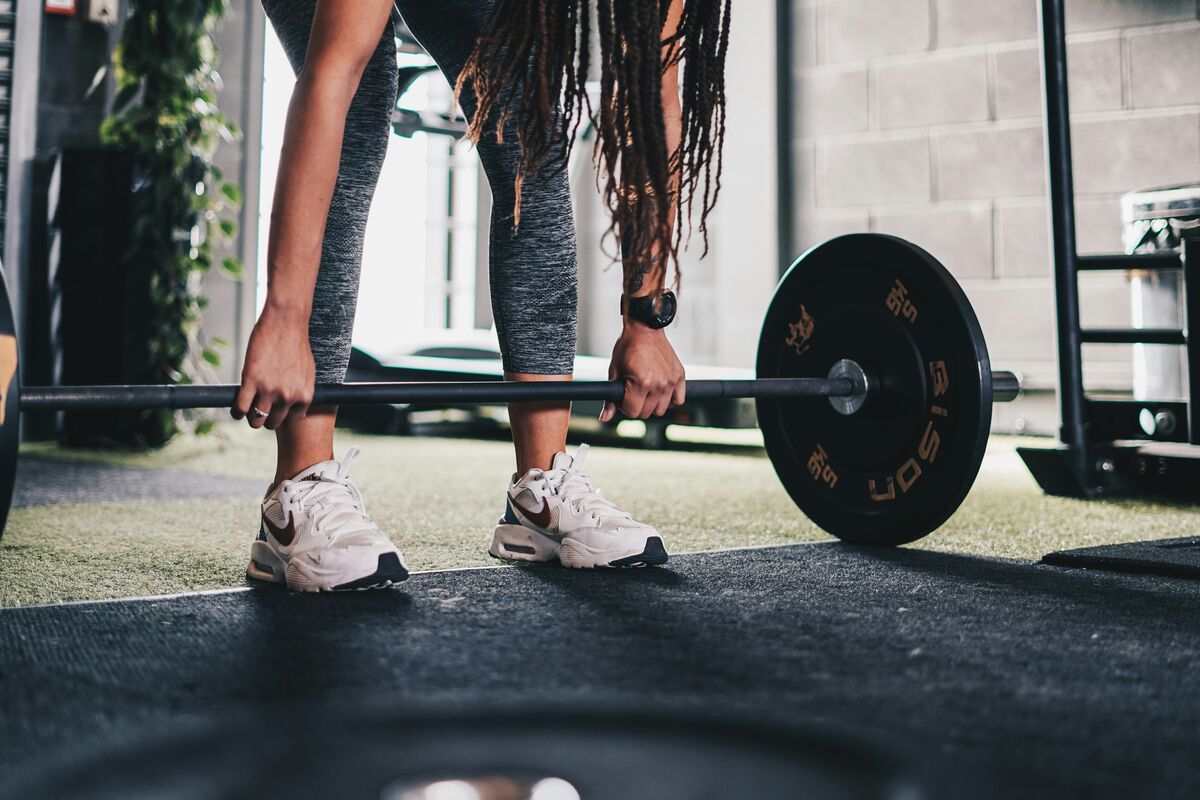
Exercise 3: Walking Lunges
Sets: 3 | Reps: 10-12 per leg | Rest: 90 seconds
Unilateral training ensures we don’t have imbalances. Lunges torch the quads and glutes while challenging your stability. They are also excellent for metabolic stress—expect a serious burn.
How to Perform:
1. Hold dumbbells at your sides.
2. Take a long step forward.
3. Drop your back knee until it hovers just above the floor.
4. Drive through your front heel to step into the next rep.
5. Keep walking for the prescribed reps.
Form Cues:
– Keep your torso upright.
– Do not let your front knee cave inward.
– Control the descent; do not slam your knee into the ground.
How Body Journey Helps: It is easy to lose count on high-rep unilateral work. Log your reps in Body Journey immediately so you do not cheat yourself on the second leg.
Exercise 4: Leg Press
Sets: 3 | Reps: 12-15 | Rest: 90 seconds
Since your lower back is tired from Squats and RDLs, the leg press allows us to add volume to the quads without spinal loading. We are going for higher reps here to chase the pump.
How to Perform:
1. Sit in the machine and place feet shoulder-width apart on the platform.
2. Lower the weight until your knees are near your chest (without your butt lifting off the seat).
3. Press the weight back up, stopping just short of lockout.
Common Mistakes:
– Ego lifting: Using half range of motion to lift more weight. Drop the weight and go deep.
– Locking knees: Never hyperextend your knees at the top.
Exercise 5: Seated Leg Curls
Sets: 3 | Reps: 12-15 | Rest: 60 seconds
We finish the hamstrings in a shortened position. Seated curls are generally superior to lying curls because the hip flexion puts the hamstrings in a better position to produce force.
How to Perform:
1. Adjust the pads so your knees align with the machine’s pivot point.
2. Curl the weight down hard, squeezing at the bottom.
3. Control the weight on the way up (3 seconds up).
Exercise 6: Standing Calf Raises
Sets: 4 | Reps: 15-20 | Rest: 60 seconds
Do not skip calves. They complete the leg aesthetic. High reps with a full stretch at the bottom are key.
How to Perform:
1. Stand on a block or machine step.
2. Lower your heels as far as possible for a deep stretch.
3. Drive up onto your toes and squeeze hard at the top.
Cool-Down and Stretching (5-10 Minutes)
Flush out the lactic acid and jumpstart recovery.
Static Stretch Sequence
1. Quad Stretch – 30 seconds per leg.
2. Seated Hamstring Stretch – 30 seconds per leg.
3. Pigeon Pose – 60 seconds per side. Essential for glute recovery.
4. Calf Stretch – 30 seconds per side.
Progression Strategy
To keep growing, you need to demand more from your body. Download Body Journey to manage your progression.
Weeks 1-3: Focus on perfect form and adding reps. If you get 8 reps on squats, try for 9 next week with the same weight.
Weeks 4-6: Once you hit the top of the rep range, increase weight by 5-10 lbs and start back at the bottom of the rep range.
Recovery and Frequency
Leg day is systemic—it taxes your whole body. Ensure you are getting 0.8g of protein per pound of body weight and sleeping 7-9 hours. Active recovery like walking or light cycling on off days can help reduce soreness (DOMS).
Body Journey Tip: Take progress photos of your legs every 4 weeks. Visual changes in the quads and hamstrings can be subtle day-to-day but massive month-to-month. Learn how to track visual changes effectively.
Common Questions
My lower back hurts on RDLs. What am I doing wrong?
You are likely bending over at the waist instead of hinging at the hips. Focus on pushing your butt back. If you run out of hip flexibility, stop lowering the weight. Do not round your back to reach lower.
Can I swap squats for leg press?
If you have an injury, yes. But if you are healthy, squats are superior for overall mass and core strength. Do not avoid them just because they are hard.
How often should I train legs?
Twice a week is optimal for most naturals. One heavy day (like this one) and one lighter/volume day works well.
The Bottom Line
Building impressive legs takes grit. It is uncomfortable, demanding, and exhausting. But that is exactly why it is worth it. Follow this ultimate lower body hypertrophy workout, stay consistent, and you will build a foundation of power that commands respect.
Start Your Transformation Today
You have the roadmap. Now get in the driver’s seat. Download Body Journey today to track this workout. Log your weights, monitor your volume, and watch your legs grow. Do not just train—train smart.