Protein Timing: Does the Anabolic Window Actually Exist?

You finish your last set of bench press. Your muscles are burning, your heart is pounding, and you feel accomplished. But as you walk to the locker room, a sense of panic sets in. You forgot your protein shake. The “anabolic window” is closing, and if you don’t get 30 grams of whey into your system within 30 minutes, your workout was a waste.
We have all heard this gym lore. The idea that your body is only receptive to nutrients for a brief period after training is one of the most persistent myths in fitness. It drives people to chug lukewarm shakes before they even catch their breath. But is this urgency actually backed by science?
The truth is far less stressful. Your body is smarter and more adaptable than the bro-science suggests. Understanding the real science of protein timing can free you from the post-workout panic and help you build a more sustainable, effective nutrition strategy.

The Science of Protein Timing
To understand why the “30-minute window” is a myth, we need to look at muscle protein synthesis (MPS). This is the biological process where your body repairs and builds new muscle tissue. Resistance training stimulates MPS, but it doesn’t just switch on and off instantly.
According to a position stand by the International Society of Sports Nutrition (ISSN), the anabolic effect of a workout lasts much longer than previously thought. Muscle protein synthesis remains elevated for at least 24 hours after a training session, and potentially up to 48 hours for beginners.
This means your body is in “building mode” for a day or two after you leave the gym. While protein is essential for this process, you don’t need to rush. The “window” is more like a barn door that stays open for days, not a tiny slot that slams shut while you shower.
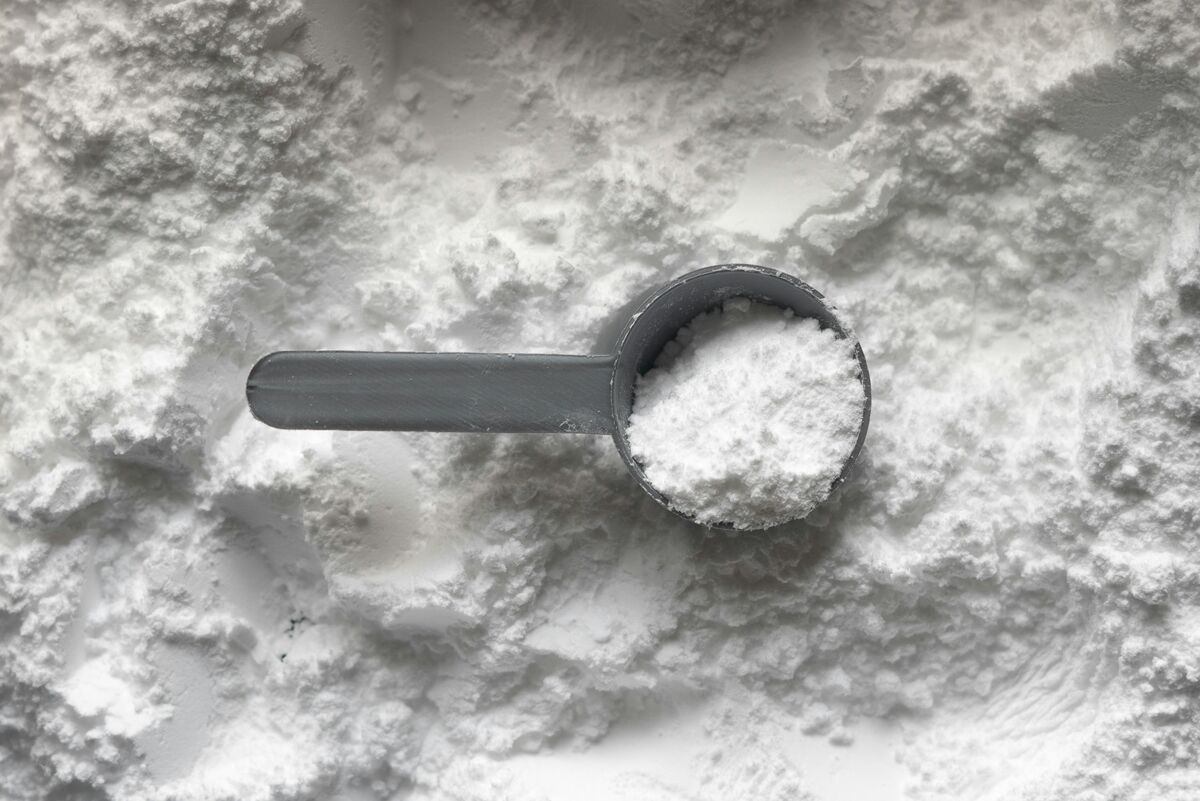
- Key Mechanism: Resistance training sensitizes your muscles to amino acids. This sensitivity persists long after the workout ends.
- Impact on Results: Total daily protein intake is the most critical factor for muscle growth. If you hit your total daily goal, the specific timing of your post-workout meal matters very little.
Practical Application: How to Structure Your Intake
Just because the 30-minute window is a myth doesn’t mean timing is irrelevant. Distributing your protein intake properly can optimize MPS and keep your energy levels stable. Here is how to do it effectively.
Strategy 1: Focus on the Total First
Before you worry about when you eat, worry about how much you eat. The evidence clearly shows that consuming 1.6 to 2.2 grams of protein per kilogram of body weight is optimal for muscle growth. If you weigh 80kg (176lbs), that means aiming for roughly 130-175g of protein per day.
You can track this effortlessly with Body Journey. Simply log your meals and watch your daily total climb. Hitting this number consistently is far more important than chugging a shake at 5:01 PM.
Strategy 2: Spread It Out
Your body can only utilize a certain amount of protein for muscle building at one time. Eating 150g of protein in one meal isn’t efficient. Instead, aim to split your total intake across 3-5 meals throughout the day. This keeps a steady stream of amino acids available in your blood for your muscles to use.
Strategy 3: Don’t Forget Pre-Workout
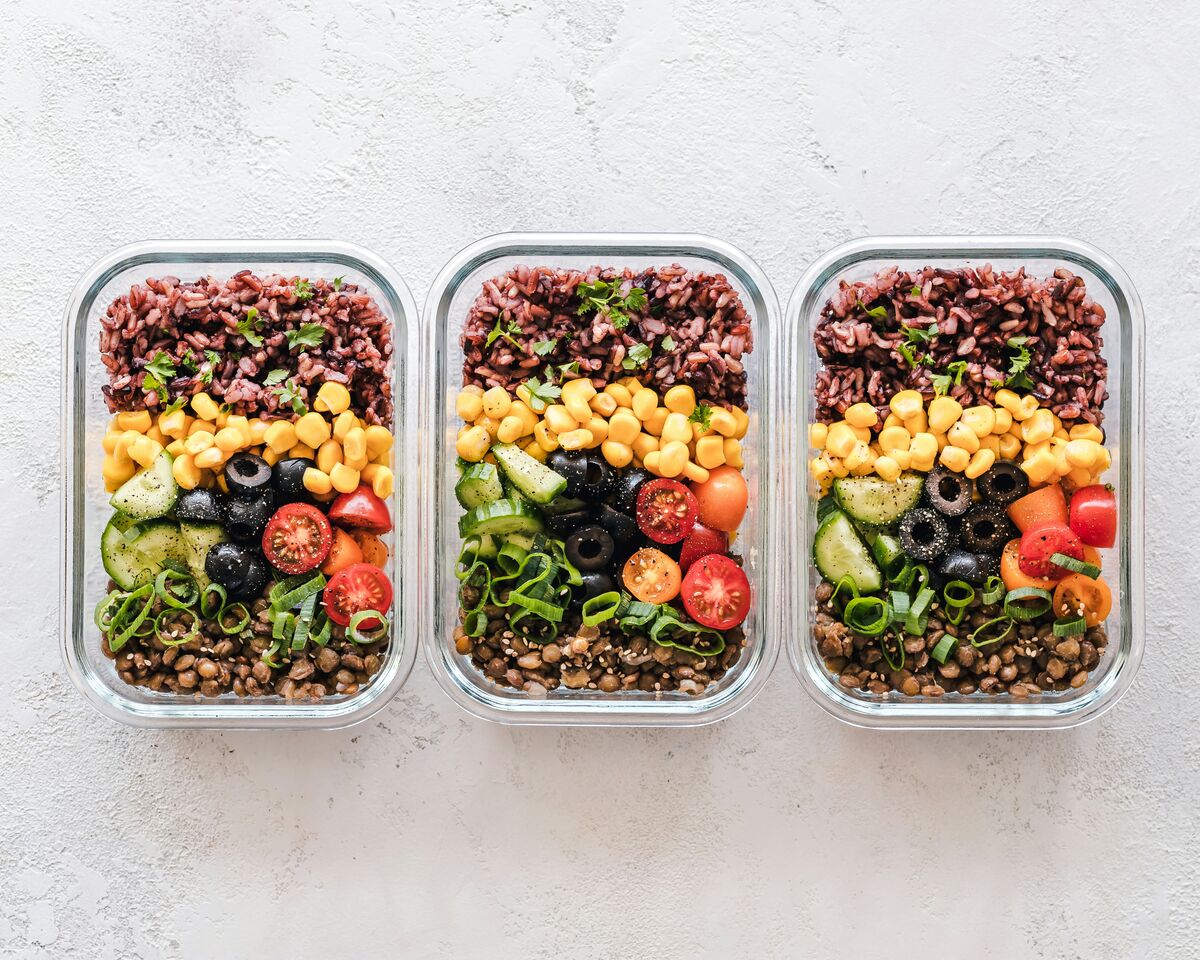
What you eat before you train is just as important as what you eat after. A meal with protein and carbohydrates 1-2 hours before your workout provides fuel for training and amino acids that are still in your system when you finish. This effectively extends your “anabolic window” before you even start lifting.
Common Myths vs. Reality
Let’s clear up some other confusion surrounding protein timing and post-workout nutrition.
- Myth: “If I don’t eat immediately, my body will eat its own muscle.”
- Reality: Muscle breakdown does occur during training, but net muscle loss only happens if you are in a fasted state for a long time. Unless you haven’t eaten for 24 hours, your body has plenty of nutrients available.
- Myth: “Fast-acting whey is the only good post-workout protein.”
- Reality: While whey digests quickly, whole food sources like chicken, eggs, or Greek yogurt are excellent for recovery. The speed of digestion matters much less than the quality and quantity of the protein.
How Body Journey Helps You Track It
Consistency is the key to progress. It’s easy to think you are eating enough protein, but the data often tells a different story. This is where tracking becomes a superpower.
- Feature: Nutrition Log
- How to Use: Use the barcode scanner or AI food recognition to log your meals instantly. Check your daily summary to ensure you are hitting your protein target every single day.
- Feature: Notes & Journaling
- How to Use: Note how you feel during workouts based on your meal timing. Did you feel stronger after a pre-workout meal? Did you feel sluggish after a heavy lunch? Use this data to personalize your schedule.
Just like tracking your sleep helps you optimize recovery, tracking your nutrition ensures you aren’t leaving gains on the table.
The Protocol
Here is your plan for the week to master your protein intake without the stress.
- Calculate Your Number: Multiply your body weight in kg by 2. This is your daily protein goal in grams.
- Plan 4 Meals: Divide that number by 4. Aim to eat roughly that amount of protein at breakfast, lunch, dinner, and a snack.
- Relax Post-Workout: Go home, shower, and cook a real meal. Enjoy your food instead of rushing.
The Bottom Line
The “anabolic window” is not a deadline; it’s a generous opportunity. By shifting your focus from minute-by-minute timing to total daily consistency, you build a healthier relationship with food and get better results. Eat enough protein, train hard, and let your body handle the rest.
Consistency in nutrition is just as vital as consistency in training. If you struggle with weekends, check out our guide on how to stay on track. It’s all about building sustainable habits.
Fuel Your Progress
Stop guessing and start growing. Download Body Journey today to take control of your nutrition. Track your macros, visualize your consistency, and see exactly how your fueling strategy impacts your performance.