Sleep for Muscle Recovery: The Most Underrated Performance Enhancer
You track your macros down to the gram. You follow your training program with military precision. You invest in the best supplements and gear. Yet, you might be ignoring the single most powerful performance enhancer available to you—and it’s completely free.
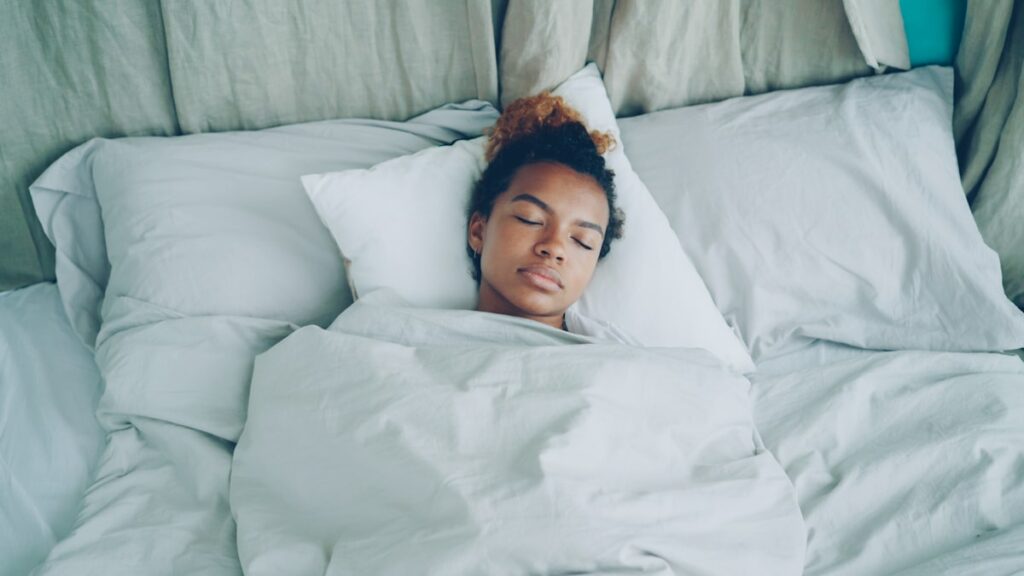
We often think that we build muscle in the gym. In reality, the gym is where we tear muscle down. The actual growth happens during the other 23 hours of the day, specifically when we close our eyes. If you aren’t prioritizing sleep, you are driving your car with the handbrake on.
The Science of Sleep and Muscle Growth
Sleep is not just a passive state of rest; it is an active metabolic process essential for physiological repair. The relationship between sleep and muscle growth is governed largely by hormones, specifically Growth Hormone (GH) and cortisol.
According to research published in Cell in 2025, a specific neuroendocrine circuit regulates the release of growth hormone primarily during Slow-Wave Sleep (SWS), also known as deep sleep. This means if you cut your sleep short or have poor quality sleep that prevents you from entering deep stages, you are literally missing out on your body’s natural anabolic window.
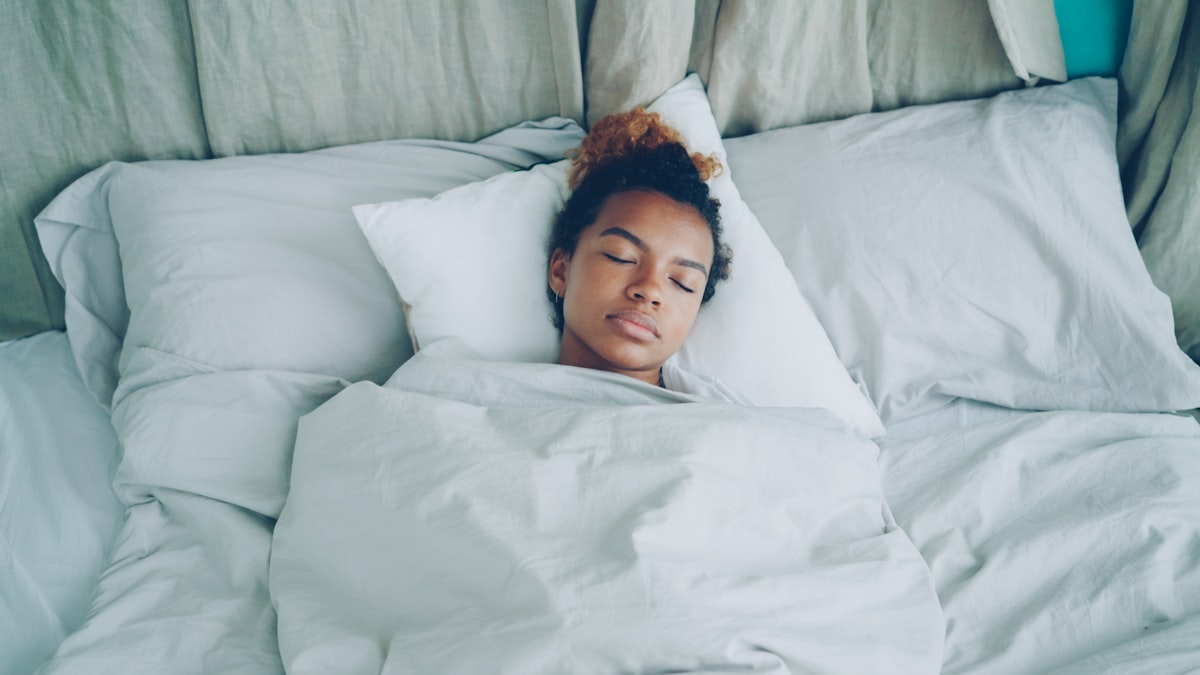
- Key Mechanism: During deep sleep, the pituitary gland releases pulses of growth hormone, which stimulates protein synthesis and tissue repair.
- Impact on Results: A 2025 systematic review found that sleep deprivation significantly impairs muscle strength recovery and increases muscle breakdown. In simple terms: less sleep equals less muscle.
Practical Application: How to Optimize Your Sleep
Knowing you need more sleep is one thing; actually getting it is another. Here are actionable strategies to turn your bedroom into a recovery sanctuary.
Strategy 1: Respect Your Circadian Rhythm
Your body has an internal clock that is regulated by light. Exposure to bright light early in the morning signals your brain that it is time to be alert, setting a timer for melatonin release (the sleep hormone) about 12-14 hours later. Conversely, bright artificial light at night confuses this clock.
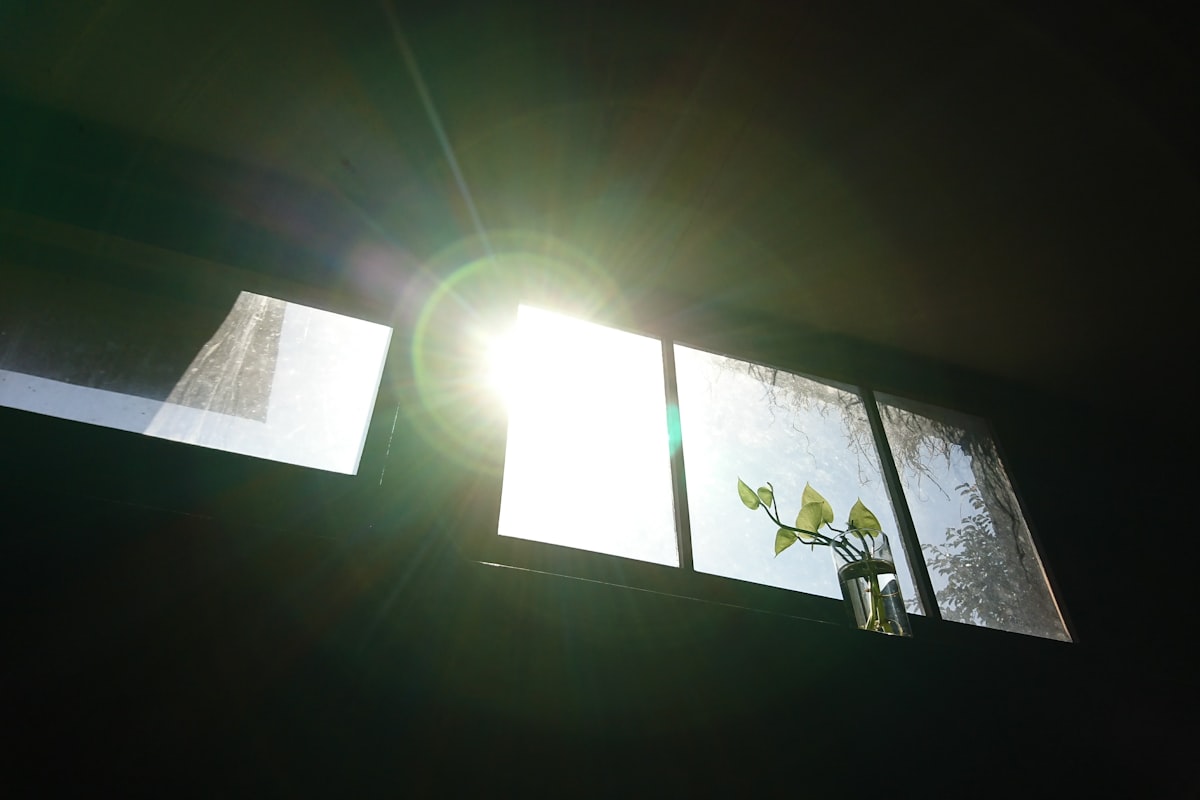
Action Step: Get 10-20 minutes of sunlight in your eyes within an hour of waking up. At night, dim the lights and avoid screens at least an hour before bed.
Strategy 2: The Pre-Sleep Protocol
You have a warm-up routine for your workouts; you need a cool-down routine for your sleep. Transitioning from the high stress of the day to a state of relaxation takes time. Whether you are recovering from a heavy full body strength session or a long day at work, your nervous system needs a signal to switch off.
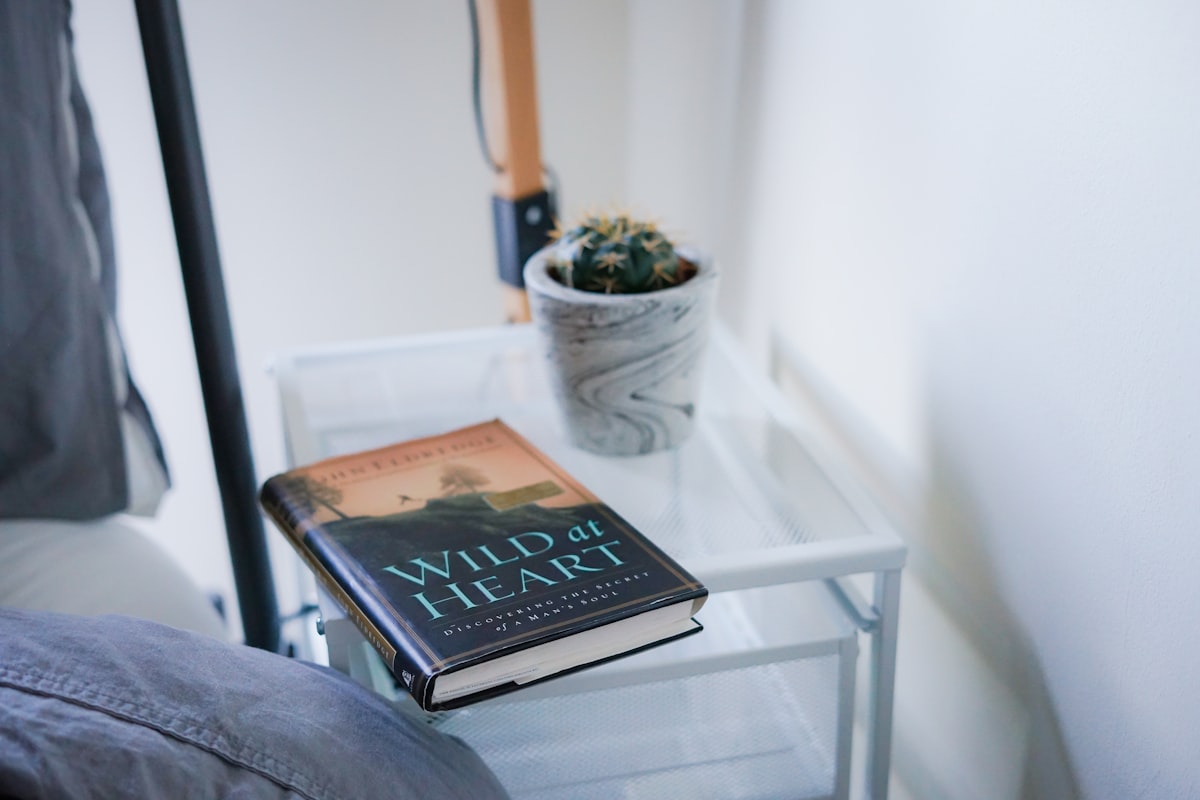
Action Step: Create a consistent routine. Read a physical book, stretch lightly, or practice breathing exercises. This conditions your brain to associate these activities with sleep.
Common Myths vs. Reality
Let’s debunk some dangerous ideas that might be holding back your progress.
- Myth: “I can sleep when I’m dead.”
- Reality: Chronic sleep deprivation dramatically increases your risk of injury. A 2025 report by the AACSM highlights that athletes who sleep less than 8 hours per night are 1.7 times more likely to get injured. You can’t train if you’re injured.
- Myth: “Alcohol helps me sleep.”
- Reality: While alcohol might help you fall asleep faster, it destroys sleep quality. It suppresses REM sleep and fragments your deep sleep cycles, reducing the release of growth hormone. It is effectively stealing your gains.
How Body Journey Helps You Track It
What gets measured gets managed. Body Journey isn’t just for logging bench presses; it’s a tool for total lifestyle management.
- Feature: Notes & Journaling
- How to Use: Use the daily notes feature to log your sleep duration and quality. Over time, you can look back and see the correlation between nights of poor sleep and poor gym performance.
- Feature: Energy Metrics
- How to Use: Track your daily energy levels. If you notice a trend of low energy, it might be your cue to prioritize sleep over an extra episode of TV. Seeing the data makes the decision easier.
The Protocol
Ready to maximize your recovery? Commit to this protocol for one week and feel the difference.
- Aim for 7-9 Hours: This is the non-negotiable biological requirement for athletes.
- Keep It Cool: Set your bedroom temperature between 60-67°F (15-19°C) for optimal sleep.
- Darkness is Key: Use blackout curtains or an eye mask. Even small amounts of light can disrupt sleep cycles.
The Bottom Line
Training provides the stimulus, but sleep provides the growth. If you are serious about seeing results from your intense hypertrophy workouts, you need to be just as serious about your recovery. Treat your sleep with the same discipline you treat your nutrition and training.
Fuel Your Progress
Don’t let your hard work go to waste. Download Body Journey today to track not just your lifts, but your entire fitness lifestyle. Monitor your energy, log your recovery, and ensure you are fueling your body for peak performance.