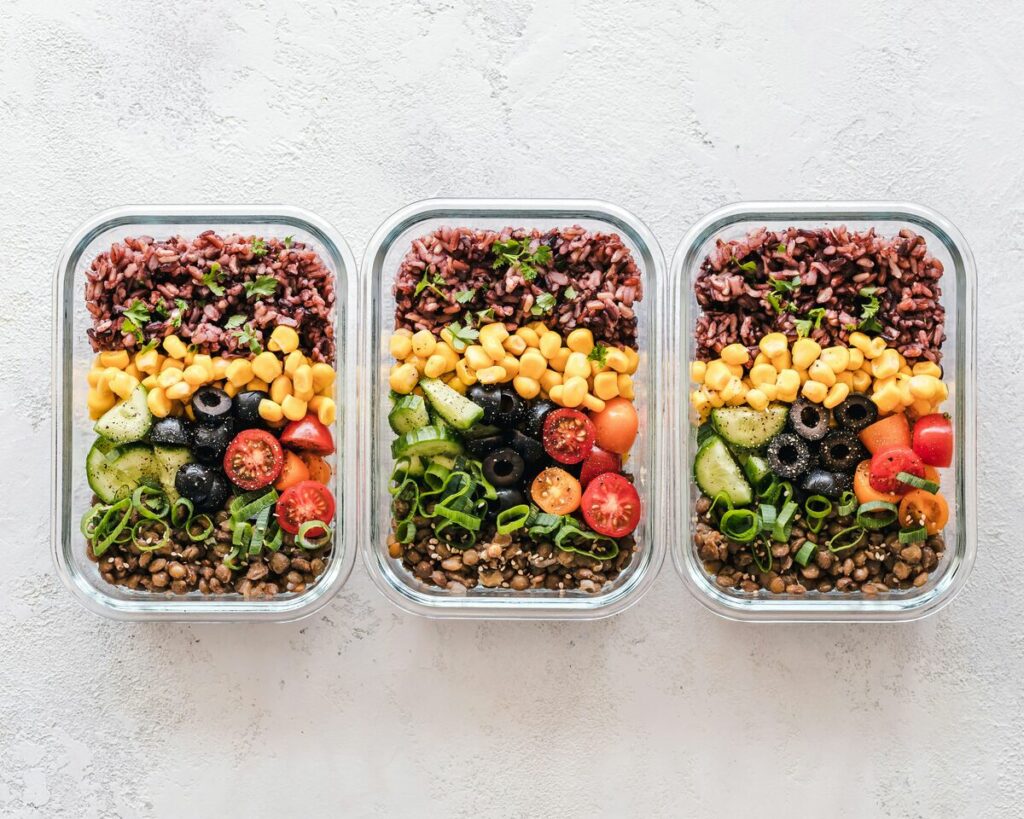
Achieving your physical potential requires a structured approach to fueling your body, which is why nutrition and macro tracking is the cornerstone of sustainable transformation. By monitoring what you eat, you can make informed decisions that optimize fat loss and muscle gain.
Many people struggle to see results because they rely on guesswork or follow overly restrictive diets. Tracking your food intake removes the mystery, giving you clear visibility into your daily energy balance. This guide will teach you how to master the science of nutrition and take control of your health.

The Fundamentals of Nutrition and Macro Tracking
At its core, any body composition change is governed by the laws of thermodynamics. To lose body fat, you must establish a caloric deficit by consuming fewer calories than your body burns. Conversely, to build muscle efficiently, a small caloric surplus is generally required.
While total energy intake determines whether you gain or lose weight, macronutrient distribution determines the quality of that weight change. Tracking your macros ensures that fat loss comes from fat stores rather than valuable muscle tissue. It also provides the fuel necessary to sustain high performance during intense exercise.
Adhering to a diet is historically the most challenging aspect of long-term health management. A landmark study published in PubMed demonstrated that dietary adherence is the primary driver of weight loss success, regardless of the specific macronutrient ratios chosen. You can read the full study on PubMed (POUNDS LOST Trial).
By adopting a flexible dieting approach, you do not need to restrict entire food groups. Instead, you focus on fitting your favorite foods into your daily macronutrient targets. This flexibility drastically improves consistency, turning a temporary diet into a lifelong, sustainable habit.
Tracking your food also helps you build a healthier relationship with food. Instead of labeling foods as good or bad, you learn to see them as sources of energy and nutrients. This educational process is key to long-term weight maintenance.
Understanding Your Macronutrients: Protein, Carbohydrates, and Fats
Macronutrients are the nutrients your body needs in large quantities to function, namely protein, carbohydrates, and fats. Each of these plays a distinct physiological role in supporting your energy levels, recovery, and overall health. Understanding their functions allows you to tailor your nutrition plan to your specific fitness goals.
Protein is the most critical macronutrient for active individuals because it provides the building blocks for muscular repair. Consuming adequate protein helps preserve lean muscle tissue while in a caloric deficit, and supports hypertrophy when training. Research confirms that higher protein diets help maintain metabolic rate and lean mass during fat loss, as discussed in this clinical trial on protein intake.

Carbohydrates are the body’s primary and most efficient source of energy, particularly during high-intensity training. When you consume carbohydrates, they are broken down into glucose and stored in your muscles as glycogen. Maintaining full glycogen stores ensures you have the strength and stamina to perform at your best.
Dietary fats are essential for hormone production, cellular health, and the absorption of fat-soluble vitamins. Restricting fats too severely can disrupt your endocrine system, leading to low energy and poor recovery. Healthy fat sources include avocados, nuts, seeds, and quality olive oil.
Determining the correct balance of these three macronutrients is a highly individual process. While protein needs remain relatively stable, you can adjust the ratio of carbohydrates and fats based on your personal preferences and training style. Some athletes perform better on higher carbohydrates, while others prefer a higher fat intake.
To avoid nutrient deficiencies, you should focus on sourcing the majority of your macros from whole, unprocessed foods. Fruits, vegetables, lean meats, and whole grains provide essential vitamins and minerals alongside their macronutrient content. A well-rounded diet is key to feeling energized and healthy.
How to Calculate Your Personal Targets
To begin your journey, you must first determine your Total Daily Energy Expenditure, or TDEE. This represents the total number of calories your body burns in a single day, including your resting metabolic rate and physical activity. You can estimate your TDEE using online calculators or fitness tracking tools.
Once you have your baseline TDEE, you must adjust it based on your primary fitness objective. For fat loss, subtract ten to twenty percent from your TDEE to create a safe, sustainable caloric deficit. For muscle growth, add five to ten percent to support protein synthesis without excessive fat gain.
Next, calculate your daily protein target, which should be the anchor of your nutritional setup. A standard recommendation for lifting weights is to consume between one point six and two point two grams of protein per kilogram of body weight. This range is widely supported by sports science literature, including this comprehensive review on protein and satiety.
After setting your protein target, allocate your remaining calories to fats and carbohydrates. A common starting point is to assign twenty to thirty percent of your total calories to dietary fats. The remaining calories are then allocated to carbohydrates to fuel your active workouts.
It is important to remember that these initial numbers are merely educated estimates. You must monitor your progress over several weeks and adjust your targets based on real-world results. If you are losing weight too quickly or feeling excessively fatigued, you may need to increase your calorie intake.
Always prioritize sustainability over rapid results when setting your targets. A moderate caloric deficit that you can maintain for months is far more effective than an extreme deficit that leads to burnout. Patience and consistency are your greatest assets during this transformation.
Practical Nutrition and Macro Tracking Strategies
The accuracy of your tracking determines the reliability of your results. Relying on visual estimation or eyeballing your portions frequently leads to underestimating calorie intake. Using a digital kitchen scale to weigh your food in grams is the most effective way to ensure precision.

Preparing your meals in advance is another powerful strategy for nutritional success. When you cook and portion your food ahead of time, you eliminate the stress of deciding what to eat under pressure. This practice makes it significantly easier to hit your macro targets consistently.
Logging your food in a tracking application allows you to visualize your nutritional habits in real time. Seeing the breakdown of your meals helps you identify which foods are high in protein or unexpectedly calorie-dense. Over time, this builds a deep understanding of food composition.
Tracking does not mean you have to isolate yourself from social events or restaurant meals. Many restaurants publish nutrition information online, allowing you to plan your day in advance. If information is unavailable, you can estimate the ingredients and err on the side of caution.
Consistency is far more important than perfection when tracking your nutrition. Missing your targets by a small margin occasionally will not ruin your progress, but quitting altogether will. Focus on building the habit of logging your food every day, regardless of what you eat.
You should also focus on consistency with your weigh-ins. Weigh yourself in the morning under similar conditions to get an accurate trend. Daily weight fluctuations are normal and should not cause concern.
Fuel and Recovery: The Pillars of Athletic Progression
Nutrition is only one side of the body transformation equation; recovery is the other. Without adequate rest, your muscles cannot rebuild, and your performance will quickly suffer. To optimize your training, you must treat sleep and hydration with the same seriousness as your diet.
Drinking enough water is critical for cellular function, joint lubrication, and nutrient transport. Dehydration can impair your strength, endurance, and cognitive performance in the gym. Learn more about optimizing your fluid intake in The Science of Hydration.
Sleep is the ultimate natural recovery tool, during which your body releases growth hormone and repairs muscle tissue. Chronic sleep deprivation increases stress hormones like cortisol, which can accelerate muscle loss. Read our guide on sleep optimization, Sleep for Muscle Recovery, to maximize your sleep quality.
On your rest days, you should focus on active recovery to promote blood flow and reduce muscle soreness. Light activities like walking or stretching can speed up the healing process. Check out Active Recovery Strategies to learn how to structure your off days.
Finally, the timing of your nutrients can play a supporting role in your recovery process. Consuming protein and carbohydrates around your training window can jumpstart muscle protein synthesis and replenish glycogen. Explore this topic further in Protein Timing Myths and Facts.
To ensure your overall training program matches your nutritional efforts, you should design a structured routine. A proper lifting program goes hand-in-hand with your macro setup. Learn how to structure your workouts in our guide on Workout Training and Programming.
Visualizing your progress over time is essential for staying motivated throughout this process. Weighing yourself daily and taking regular photos will help you see the changes in your body composition. Check out our guide on Progress Photo Tracking to learn how to document your journey accurately.
If you want to read other articles on general fitness and healthy lifestyle habits, you can visit our Body Journey Blog Homepage. There you will find expert advice and tips for every stage of your transformation.
Start Your Journey Today
Taking control of your nutrition is a powerful step toward achieving the body and performance you want. By tracking your macros and maintaining consistency, you turn your goals into an achievable science. The tools you use can make this process simple and automated.
The Body Journey application is designed to support you at every stage of this path. It provides custom workout logging, body metrics tracking, and progress photo timelines in a clean interface. Take the guesswork out of your fitness and Download Body Journey today to start visualizing your success.