Embarking on a fitness journey requires patience, dedication, and the right tools to measure your results. While most people rely on the bathroom scale to gauge progress, body weight alone fails to tell the full story of your body composition. Progress photo tracking offers a powerful, objective way to visualize your physical changes over time.
By capturing regular images, you create a visual timeline that documents muscle growth, fat loss, and postural improvements. This comprehensive guide details why visual tracking is essential, how to set up a consistent photo system, and how to use these tools to maintain long-term motivation.
Why Progress Photo Tracking Beats the Scale
The bathroom scale measures your total body mass, which includes muscle, fat, water, bones, and organs. When you begin strength training, your body undergoes recomposition, which means you build muscle while losing fat simultaneously. Because muscle is denser than fat, your scale weight may remain completely unchanged even though your waist is smaller and your body is leaner.
A comprehensive scientific review of self-monitoring in weight loss published by the National Institutes of Health highlights that consistent tracking is the strongest predictor of weight management success. You can read the full study at PubMed. Relying solely on weight can lead to frustration and premature abandonment of your routine. Incorporating visual self-monitoring helps bridge the gap between numerical measurements and physical reality.
This is why the scale is lying to you when it comes to visual changes. By focusing on progress photo tracking, you capture the actual shape and structure of your body rather than a single number. You will see definition in your shoulders, changes in how your clothes fit, and improvements in your posture. These non-scale victories are essential milestones that standard scales fail to document.
Understanding Body Recomposition and Visual Shifts
Body recomposition is the process of building muscle mass while simultaneously reducing body fat. Unlike traditional weight loss, which focuses solely on reducing the number on the scale, recomposition changes your body composition. This shift is highly visual but often invisible on a standard weighing scale. Your muscles become firmer and more defined, your waist shrinks, and your posture improves while your absolute weight remains static.
Muscle tissue is much denser and occupies less physical space than fat tissue of the same weight. If you gain five pounds of muscle and lose five pounds of fat, your body will appear significantly leaner and more athletic. However, if you only monitor your progress using a scale, you might think your efforts have failed. Progress photo tracking captured at regular intervals provides clear, undeniable evidence of this body recomposition in action.
You will notice changes in the way your clothing fits, especially around your waist and shoulders. You might also see new muscle definition in your back, arms, and legs that was previously hidden. These visual shifts indicate that your metabolism is active and your body composition is improving. Capturing these adjustments visually helps you maintain your focus and keep your motivation high.
The Science of Visual Feedback in Fitness Journeys
Human brains are highly visual, and visual feedback plays a critical role in behavioral change. When you see physical proof of your efforts, your brain receives a positive reinforcement signal. This visual verification triggers the release of dopamine, the neurotransmitter associated with reward and motivation. According to research on digital health interventions, interactive visual tracking tools significantly improve user engagement and long-term compliance.
The study, which you can read on PubMed Central, details how digital feedback reinforces habit formation. Without progress photo tracking, it is easy to become blind to your own changes. Because you see yourself in the mirror every day, you do not notice the subtle, incremental shifts that happen week by week. Comparing a photo from week one to week eight reveals a stark contrast that would otherwise go unnoticed.
Comparing these images provides objective feedback that your training program and nutrition plan are working. This visual evidence helps you stay committed, especially when scale weight plateaus or fluctuates due to water retention. Visual tracking also builds a strong sense of self-efficacy by proving to yourself that your body is capable of change. Seeing your own visual proof of your transformation is far more convincing than any fitness article or motivational video.
How to Set Up Your Progress Photo Tracking System
To get the most out of progress photo tracking, you must eliminate variables that skew your appearance. Consistency is the most important factor in creating an accurate visual record. If you change your lighting, angles, or clothing, you will not be able to make a fair comparison. Here is how to construct a professional, reliable tracking protocol.
First, choose a consistent time of day to take your pictures. We recommend taking photos first thing in the morning, before eating or drinking, and after using the bathroom. This ensures that food digestion and temporary bloating do not affect your physical outline. For safety, always perform your tracking in a warm, comfortable room to prevent muscle tensing from cold temperatures.
Second, use the same lighting and location for every session. Natural light from a window can change dramatically throughout the day and across seasons, so indirect indoor lighting is usually best. Stand in front of a neutral, clutter-free background like a plain wall. Set your camera at hip height rather than eye level, as eye-level angles can distort your body proportions.
Third, wear the same style of clothing for every photo. For men, gym shorts or boxers work best. For women, a sports bra and shorts or a swimsuit are ideal.
The goal is to see joint alignment, muscle definition, and posture, so loose-fitting clothing will obscure your progress. Keep your posture neutral and relaxed, and avoid flexing or sucking in your stomach, as this is difficult to replicate consistently.
Avoiding Common Mistakes in Progress Photography
Many people start taking progress photos but make simple errors that make their images useless for comparison. The most common pitfall is taking photos too frequently. Your body does not change enough in twenty-four or forty-eight hours to show up on camera. Taking daily photos can lead to obsession and frustration because you will not see any visible differences day to day.
We recommend taking progress photos once every two to four weeks. This timeframe is long enough for physiological changes to occur, especially when combined with consistent workout training and programming. If you are following a structured routine, a two-week interval is perfect for capturing the initial signs of muscle tone and fat loss. Always remember that body changes take time, so patience is your greatest ally.
Another mistake is failing to take photos from multiple angles. A front-facing photo only tells part of the story. You should always take three photos in each session: one from the front, one from the side, and one from the back.
This multi-angle approach ensures you capture changes in posture, shoulder width, and glute development. Keep your arms relaxed at your sides for the side and back shots.
Avoid using filters or editing software, as the goal is to have an honest, objective record of your physique. Finally, make sure your camera lens is clean and the image is in focus. Blurry, low-resolution images make it difficult to identify changes in muscle definition and skin tone. Taking the time to capture clear, high-quality photos will pay off when you perform your comparisons.
How Often Should You Evaluate Your Progress Photo Tracking?
While consistency is vital, looking at your progress photo tracking images too frequently can be counterproductive. Physical changes occur at a cellular level and take time to become visible to the naked eye. Checking your photos daily or even weekly can lead to frustration, as you will not notice day-to-day fluctuations. We recommend scheduling your photo evaluations on a bi-weekly or monthly basis.
A two-week interval is the minimum time required to see initial changes in muscle tone and water retention. A four-week interval provides a much clearer picture of actual fat loss and muscle hypertrophy. When you evaluate your photos, compare your latest images to your baseline photos from day one, not just the previous session. Comparing your current physique to your starting point highlights the true scale of your progress.
If you are new to tracking, mark your calendar to ensure you do not forget your scheduled photo sessions. Creating a recurring reminder helps build the habit and ensures you collect data consistently. Over time, you will accumulate a valuable visual diary that documents your dedication and hard work. This timeline will become a powerful source of pride and motivation as you advance.
Integrating Photos with Other Body Metrics
While progress photo tracking is incredibly powerful, it is even more effective when combined with other objective measurements. By combining visual data with physical metrics, you build a multi-dimensional view of your progress. This prevents you from getting discouraged if one metric plateaus while others improve. The scale, circumference measurements, and strength tracking all play a role.
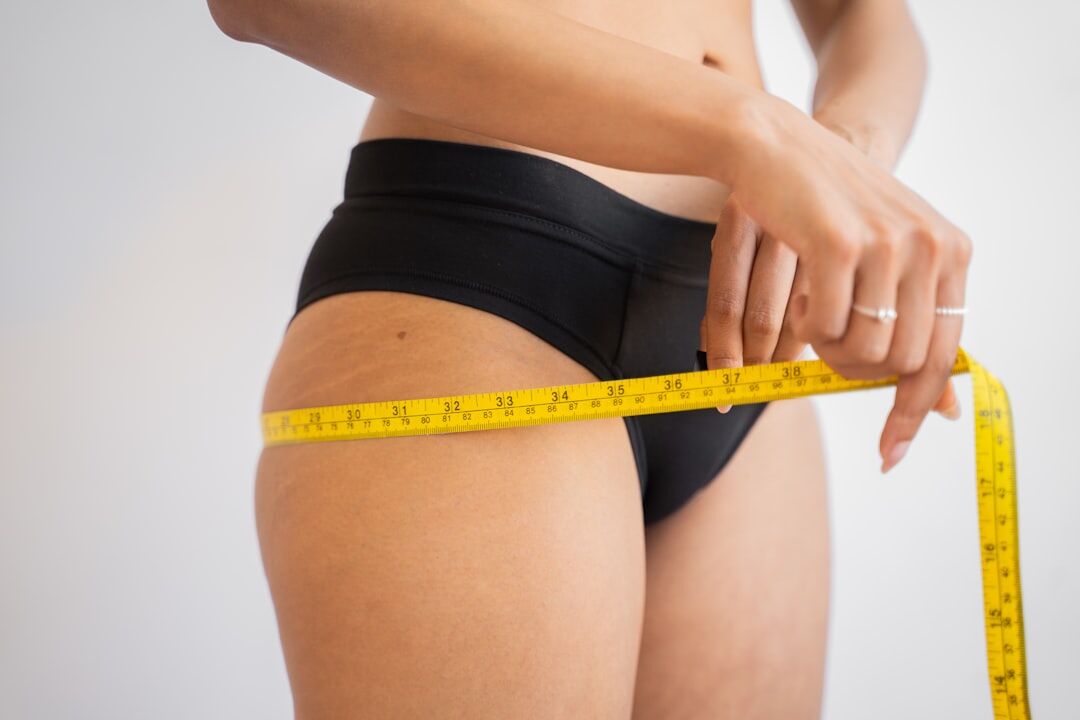
Using a simple tape measure is an excellent way to supplement your photos. Measure your waist, hips, chest, arms, and thighs at the same time you take your photos. If your progress photos show a leaner midsection and your waist measurement has decreased, you have definitive proof of fat loss. This is true even if the number on the scale has not budged.
You can read more about tracking metrics in our comprehensive guide to fitness analytics and body metrics. Additionally, tracking your strength output in the gym is a crucial indicator of progress. If you are lifting heavier weights or performing more repetitions, your body is adapting and growing stronger. This physiological adaptation will eventually manifest as visible muscle growth in your progress photos.
Make Progress Photo Tracking Work for You
Establishing a habit of progress photo tracking requires the right environment and tools. The easiest way to stay consistent is to use a dedicated mobile application that organizes your photos for you. Instead of cluttering your phone’s camera roll, a specialized app keeps your fitness photos private and secure. This separation helps you maintain a healthy relationship with your progress and prevents accidental exposure of your private photos.
Our platform provides a seamless experience for tracking your visual transformation. Body Journey is now available on both platforms. You can download the app for iOS to experience custom workout logging on iOS and built-in photo vault features. We also offer a complete tracking experience on Android, ensuring you can monitor your progress no matter which device you use.
By centralizing your photos, workout logs, and body measurements, you can easily correlate your efforts with your results. If you notice your progress has slowed, you can review your history to identify areas for improvement. This data-driven approach removes the guesswork from your routine and empowers you to make informed decisions. You can always visit our blog homepage for more fitness tips and guidelines.
Take Control of Your Fitness Journey Today
Your body is capable of incredible transformation, but you must track your progress to stay motivated. Progress photo tracking gives you the visual proof you need to keep pushing forward, even when the scale refuses to move. Do not let temporary weight fluctuations derail your long-term consistency. Start documenting your journey today, and witness the power of your own hard work.
For the ultimate tracking experience, download Body Journey on the App Store. Our application combines workout logging, weight tracking, and a secure progress photo vault in one intuitive interface. We are dedicated to providing the tools you need to visualize your success and achieve your goals safely and effectively. Download Body Journey today and take the first step toward a healthier, stronger you.