Post Workout Nutrition: The Science of Refueling for Muscle Growth

You leave everything on the gym floor, push through your last rep, and walk out feeling accomplished. But your workout is only half the battle. If you neglect your post workout nutrition, you are leaving your hard-earned muscle gains on the table. Training acts as the stimulus that breaks your muscles down, but it is the food you eat afterward that rebuilds them stronger and larger.
When you finish a challenging training session, your body is in a state of depletion. Your muscle glycogen stores are low, and your muscle fibers have suffered microscopic damage. To initiate repair, you must provide your body with the correct building blocks. Understanding how to structure your post workout nutrition is the single most effective way to accelerate recovery and maximize muscle growth.
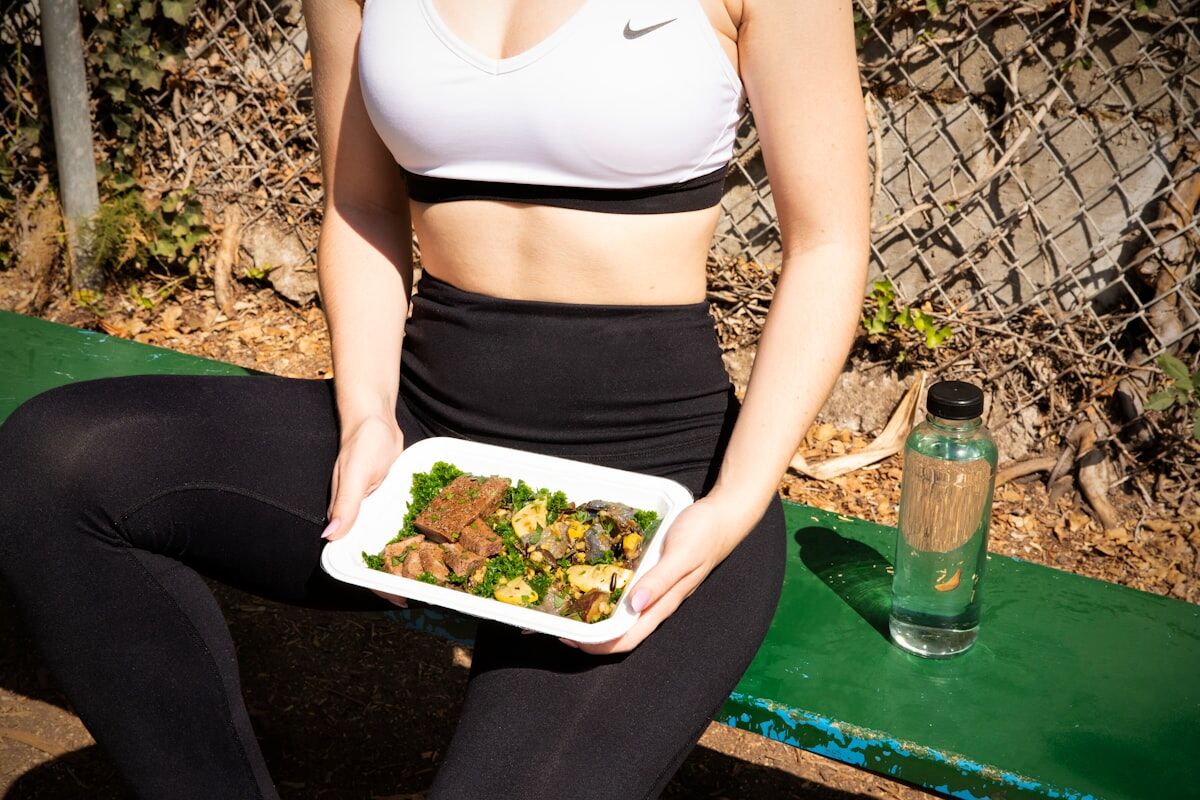
The Science of Post Workout Nutrition
To appreciate the importance of post-workout recovery, it helps to understand what happens inside your muscle cells during exercise. Physical training is essentially a controlled form of damage. Lifting weights creates tiny tears in your muscle fibers while burning through stored carbohydrates, known as muscle glycogen. Once you stop training, your body shifts from a catabolic (breaking down) state to an anabolic (building up) state.
This transition requires two major physiological processes: muscle protein synthesis and glycogen replenishment. Muscle protein synthesis is the process where your body uses amino acids from dietary protein to repair and rebuild muscle fibers. Glycogen replenishment is the restoration of carbohydrate stores in your muscle tissue, which are critical for powering your next workout. According to research published in the Journal of the International Society of Sports Nutrition, consuming a high-quality protein source within a few hours of training is critical for initiating muscle protein synthesis and repairing damaged muscle tissue.
- Key Mechanism: The combination of protein and carbohydrates stimulates the release of insulin, which acts as a key to open your muscle cells and drive nutrients inside.
- Impact on Results: Properly feeding your body after a workout halts muscle breakdown immediately and accelerates muscle repair, leading to faster recovery and improved strength.
Without adequate nutrients, your body remains in a catabolic state, breaking down existing muscle tissue. This leads to persistent soreness, poor performance, and plateaus. Consuming a recovery meal helps you shift back into an anabolic state.
Practical Application: How to Optimize Your Post Workout Nutrition
Optimizing your nutrition after a workout does not need to be complicated. It comes down to feeding your body the right nutrients in the right amounts. The three primary components of an effective recovery strategy are protein, carbohydrates, and hydration.

Strategy 1: Prioritize Fast-Digesting Protein
Protein is the most critical nutrient for muscle repair. When you consume protein, your body breaks it down into amino acids, which are the building blocks of muscle tissue. To maximize muscle protein synthesis, you should aim for a high-quality, fast-digesting protein source that is rich in leucine, an essential amino acid that triggers the muscle-building process.
Aim for 20 to 40 grams of protein within two hours of your workout. Excellent sources include whey protein, egg whites, chicken breast, or white fish. For plant-based lifters, soy or pea protein isolate works perfectly.
Strategy 2: Pair Protein with Easy-to-Digest Carbohydrates
While protein gets most of the attention, carbohydrates are equally important for recovery. Carbs serve two purposes: they restore your depleted muscle glycogen stores and they stimulate a significant insulin response. Insulin is a highly anabolic hormone that helps transport amino acids and glucose into your muscle cells.
According to research published in Sports Medicine, delaying carbs by two hours can cut glycogen storage rates by 50 percent. Pair your protein with fast-digesting, low-fat carbs like white rice, cream of rice, or ripe bananas. These foods digest quickly, sending nutrients to your muscles immediately.
Strategy 3: Structure Your Macronutrient Ratios
The ideal ratio of carbohydrates to protein in your post-workout meal depends on your training volume and fitness goals. For general strength training and muscle growth, a ratio of 2:1 (two grams of carbohydrates for every one gram of protein) is highly effective. If you perform intense endurance workouts or high-volume conditioning, you may need to increase this to a 3:1 or 4:1 ratio to fully restore your energy levels.
If you consume 30 grams of protein, target about 60 grams of carbohydrates. Keep fat low in this meal. While healthy fats are essential, they slow down digestion, delaying nutrient absorption when timing matters most.
Common Myths vs. Reality
Fitness culture is full of misinformation about nutrition timing and requirements. Let us debunk three of the most common myths surrounding recovery meals.
- Myth: You must drink a protein shake within 30 minutes of your workout or you will lose your gains.
- Reality: The legendary 30-minute anabolic window is largely exaggerated. While it is beneficial to eat soon after training, studies show that your body remains highly sensitive to nutrients for several hours. Consuming a balanced meal within one to two hours of your session is perfectly fine for maximizing results. For more details, see our guide on protein timing.
- Myth: Consuming carbohydrates after a workout will make you gain body fat.
- Reality: Immediately after exercise, your body is highly efficient at processing carbohydrates. Because your muscles are depleted, the glucose you consume is directed straight to muscle glycogen stores rather than fat storage. Skipping carbs slows recovery and impairs performance. Learn more in our guide to nutrition and macro tracking.
- Myth: Sports drinks are always necessary after a workout.
- Reality: Unless you are training in extreme heat for over 90 minutes, plain water combined with a balanced meal is sufficient for hydration. Most contain added sugars that are unnecessary for gym-goers. Optimize hydration by drinking water consistently and salting your meals. Read more in our article on why drinking water is not enough.

How Body Journey Helps You Track It
Managing your recovery meals requires consistency and organization. The Body Journey app provides the tools you need to take control of your post workout nutrition and see the direct impact on your progress.
- Feature: Comprehensive Nutrition Logging
- How to Use: Log your post-workout meals in the Body Journey nutrition tracker to ensure you hit your target protein and carbohydrate goals. The app makes it easy to track your daily macronutrient ratios and stay consistent.
- Feature: AI Food Logging
- How to Use: If you are short on time, use the AI food logging feature to capture your meal with a quick photo. The app will automatically analyze the contents and estimate your macros, saving you time and effort.
- Feature: Body Metrics Dashboard
- How to Use: Monitor how your nutritional consistency correlates with your physical changes. Track your weight, measurements, and strength progress in one place to see the real-world results of your recovery efforts.
The Protocol
Put this science into practice with this simple post-workout protocol this week:
- Eat Within 2 Hours: Consume a whole-food meal or a protein shake with carbohydrates within two hours of finishing your training.
- Target the Ratios: Aim for 30 to 40 grams of fast-digesting protein and 60 to 80 grams of easy-to-digest carbohydrates. Keep dietary fat under 10 grams in this meal.
- Hydrate: Drink 16 to 24 ounces of water for every pound of body weight lost during exercise.
- Log the Meal: Use the Body Journey app to log your macros and monitor your recovery.
The Bottom Line
Training provides the stimulus, but recovery is where the actual growth happens. Your post workout nutrition is the bridge between the hard work you do in the gym and the results you see in the mirror. By feeding your body the correct ratio of protein and carbohydrates, you halt muscle breakdown, kickstart repair, and prepare your body for another high-performance session.
Fuel Your Progress
Are you ready to take your recovery to the next level? Download Body Journey today to track your lifts, log your nutrition, and monitor your body metrics. Having your data in one place makes it easy to stay accountable and guarantee your success. Start tracking your progress today.