Body Recomposition: How to Build Muscle and Lose Fat at the Same Time

You want to lose fat. You also want to build muscle. For years, the fitness world told you to pick one: bulk up first, then cut down later. The truth is far more exciting. Body recomposition lets you do both at once, building lean muscle while you shed body fat, so your shape changes even when the scale barely moves.
This guide breaks down exactly how body recomposition works, who it works best for, and the simple training and nutrition habits that make it happen. No extreme diets and no guesswork, just a clear plan you can track and repeat.

What Body Recomposition Actually Means
Body recomposition means changing the ratio of muscle to fat in your body. Instead of chasing a lower number on the scale, you focus on losing fat and gaining muscle at the same time.
The result is a leaner, stronger, more defined look. Your weight might stay flat for weeks while your body visibly transforms. That is the whole point, and the reason the scale alone is a poor judge of progress.
This is not wishful thinking. A widely cited review in the Strength and Conditioning Journal confirmed that even trained people can build muscle and lose fat together when the conditions are right.
Who Can Build Muscle and Lose Fat at the Same Time
Body recomposition is easiest for some groups, and the good news is that most everyday people qualify.
- Beginners who are new to resistance training
- People returning to the gym after a long break
- Anyone carrying a higher level of body fat
- Experienced lifters who have never eaten enough protein
If you are already very lean and advanced, recomposition slows down, and classic bulk and cut phases may serve you better. For everyone else, the opportunity is wide open right now.
The Training Side: Build the Muscle
Muscle is the engine of recomposition. To keep and grow it while you lose fat, you need to lift with purpose.
Focus on progressive resistance training. That means challenging your muscles with weights, bands, or your own bodyweight, then gradually doing a little more over time.
- Train each major muscle group about twice per week
- Build sessions around compound moves like squats, presses, rows, and hinges
- Push your working sets close to real effort
- Add reps or weight as you get stronger
Need a place to start? Our upper body hypertrophy workout is built for growth, and you can find full programming in our workout training and programming guide.
The Nutrition Side: Protein and a Small Deficit
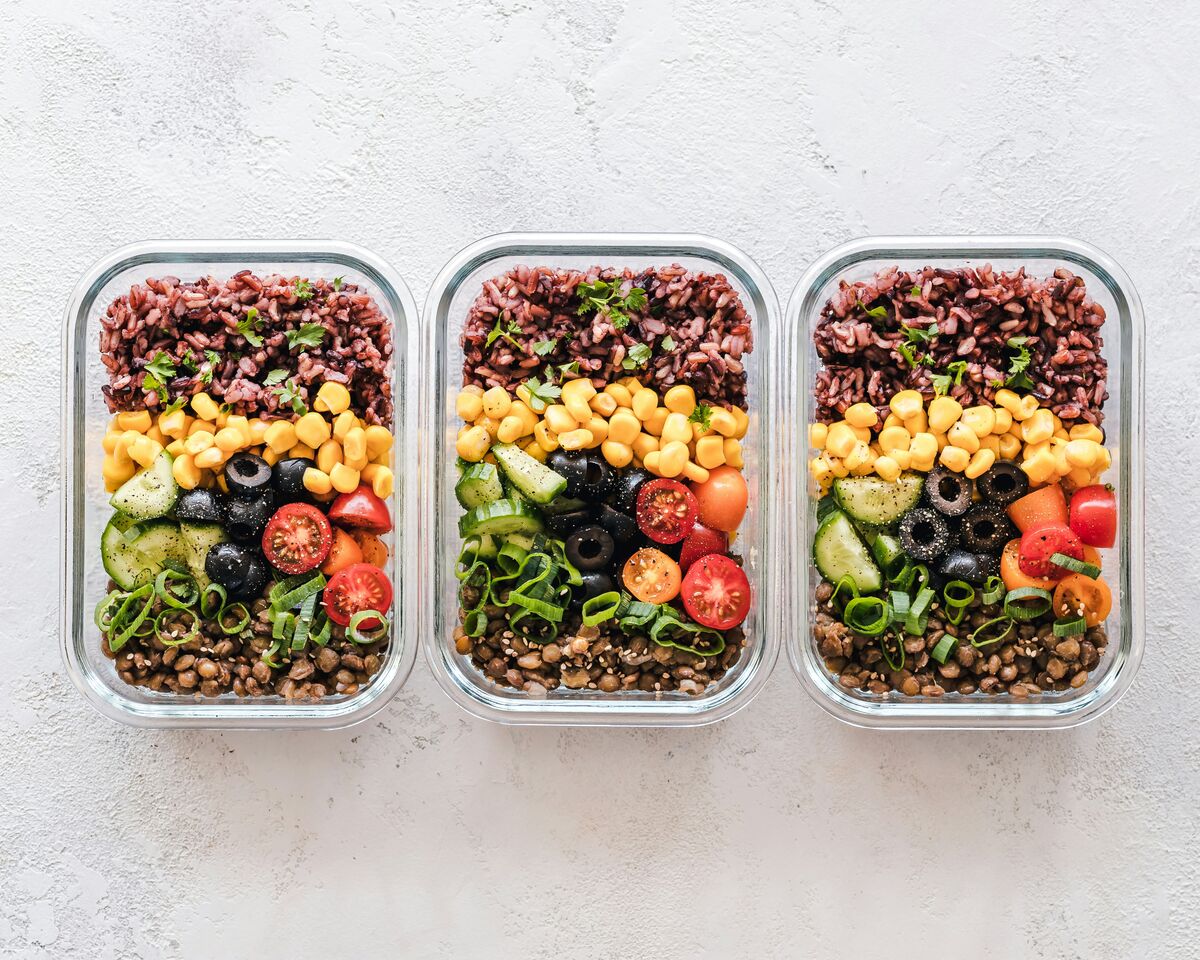
Nutrition is where recomposition is won or lost. Two levers matter most: your protein intake and your calorie balance.
Protein protects and builds muscle while you lose fat. Aim for a high daily intake, roughly 1.6 to 2.2 grams of protein per kilogram of bodyweight.
A landmark randomized trial proved how powerful this is. Men in a steep calorie deficit who ate high protein and trained hard gained 1.2 kilograms of lean mass while losing 4.8 kilograms of fat in only four weeks.
For calories, stay at maintenance or a small deficit. A modest cut of around 200 to 400 calories below maintenance gives your body room to lose fat without starving your muscles of fuel.
Dial in your targets with our nutrition and macro tracking guide, and learn what really matters about timing in our post on post workout nutrition.
Why the Scale Will Mislead You
Here is the trap that stops most people. When you gain muscle and lose fat at the same time, the scale can stall for weeks. Many people quit here, convinced that nothing is working.
In reality, their body is changing under the surface. This is exactly why we say the scale is lying to you.
Track these signals instead:
- Progress photos taken in the same light, pose, and time of day
- Body measurements such as waist, hips, and arms
- Strength gains from session to session
- How your clothes fit
For a full breakdown of the numbers worth watching, explore our fitness analytics and body metrics hub.
Common Body Recomposition Mistakes
A few simple errors can stall your progress for months. Sidestep these and you stay on track.
- Cutting calories too hard, which burns muscle along with fat
- Eating too little protein to protect your gains
- Doing endless cardio while neglecting the weights
- Judging everything by a single number on the scale
- Giving up after a few weeks before results become visible
Watch out for the toning myth too. There is no magic light-weight, high-rep formula. Visible definition comes from building muscle and revealing it by losing fat, as we explain in these toning myths.
How Long Body Recomposition Takes
Recomposition is a slow and steady process, not an overnight fix. Most people see clear changes over two to four months of consistent training and smart eating.
Progress is rarely linear, and that is completely normal. Newer research keeps refining the best approach, but the science of body recomposition still points to the same simple formula: lift hard, eat enough protein, stay near maintenance, and track the right things.
Body Recomposition FAQ
Can you really build muscle and lose fat at the same time?
Yes. Body recomposition is well documented, especially for beginners, people returning after a break, and those carrying more body fat. With enough protein and consistent resistance training, your body can build muscle while it loses fat.
How long does body recomposition take?
Most people see clear changes in two to four months of consistent training and high-protein eating. Progress is gradual, so track photos, measurements, and strength rather than the scale alone.
How much protein do I need for body recomposition?
Aim for roughly 1.6 to 2.2 grams of protein per kilogram of bodyweight each day. Protein protects and builds your muscle while you stay in a small calorie deficit.
Why is the scale not moving during recomposition?
Because you gain muscle as you lose fat, your weight can stay flat while your shape changes. This is normal and a sign recomposition is working, so judge progress by photos, measurements, and how your clothes fit.
How Body Journey Makes Recomposition Simple
Body recomposition rewards consistency and accurate tracking, and that is exactly what Body Journey is built for.
With Body Journey you can:
- Capture progress photos with an overlay camera so every shot lines up perfectly
- Log bodyweight and measurements to see real trends instead of daily noise
- Track every workout and watch your strength climb week after week
- Log meals and hit your protein and calorie targets with ease
Download Body Journey and start tracking the metrics that prove your transformation, even on the weeks when the scale refuses to budge.
Always check with a healthcare professional before starting a new training or nutrition plan, especially if you have any existing health conditions.
Your Transformation Starts Today
You do not have to choose between losing fat and building muscle. With smart training, enough protein, a small calorie deficit, and the patience to track real progress, you can achieve both at the same time.
Give yourself the right tools to see it happen. Get Body Journey and browse the Body Journey blog for more science-backed fitness guides.