Arm Day Mastery: Complete Arm Day Workout for Muscle Growth
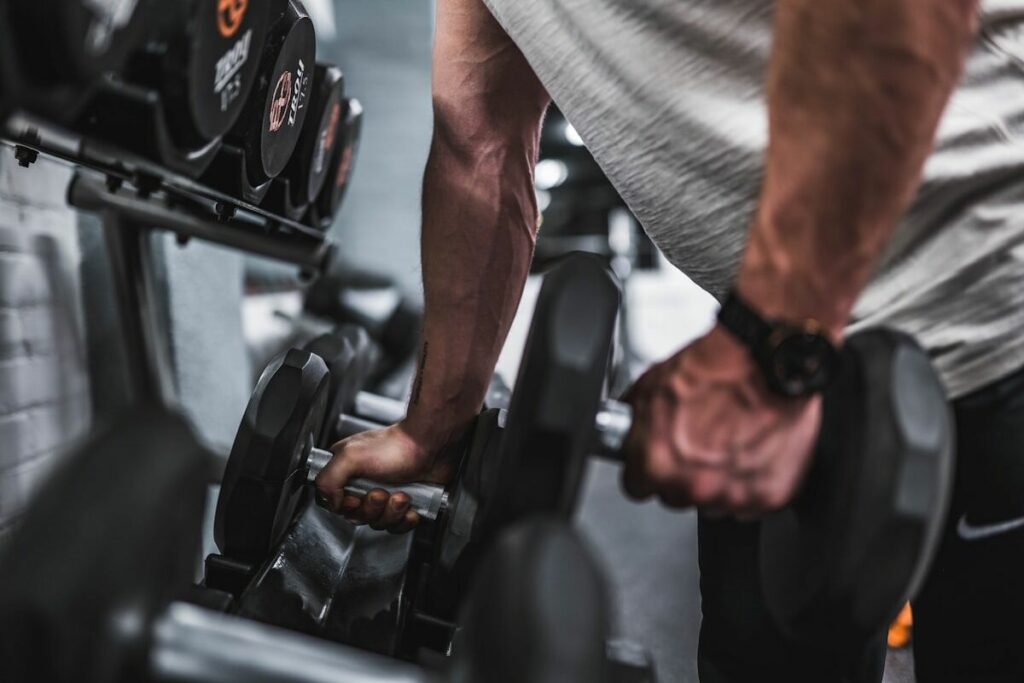
You show up to the gym, train hard, and eat clean. Yet, when you look in the mirror, your arms do not seem to be growing. Building defined, powerful biceps and triceps requires a strategic approach rather than random exercises. A complete arm day workout that targets every muscle group in your upper arms is the key to breaking through plateaus and unlocking new growth.
For many lifters, arm training is an afterthought at the end of a long workout. However, research shows that dedicated arm sessions can stimulate significant hypertrophy when structured correctly. In this guide, we will provide a comprehensive arm routine, break down the science of muscle growth, and show you how to track your progress effectively.
Who This Workout Is For
This routine is designed for intermediate to advanced gym-goers who want to prioritize arm development. If you have been training consistently for at least six months and have a solid foundation of strength, you are ready for this program. It is particularly useful if your arm growth has stalled or if your arms are lagging behind your chest and back development.
Because of the high volume and intensity, beginners should start with more conservative weights or fewer sets. This workout requires access to standard gym equipment, including dumbbells, a barbell, an adjustable bench, and a cable machine. If you are training in a limited home gym, we provide modifications for every exercise so you can still get a great workout.
- Fitness Level: Intermediate to Advanced
- Equipment Needed: Dumbbells, Barbell, Adjustable Bench, Cable Machine
- Time Required: 60 minutes
- Training Focus: Hypertrophy (Muscle Growth)
The Science of a Complete Arm Day Workout
To build larger arms, you must understand the anatomy of your upper arm. The upper arm consists of two main muscle groups: the biceps brachii on the front and the triceps brachii on the back. The triceps actually make up about sixty percent of your upper arm volume, meaning you must prioritize triceps training if you want to build truly impressive arms.
To maximize hypertrophy, this routine uses agonist-antagonist supersets. This training style pairs a biceps exercise with a triceps exercise, back to back, with minimal rest in between. According to research on agonist-antagonist training, this method reduces workout duration while maintaining high performance. In fact, performing a triceps exercise can neurologically prime your biceps to contract more forcefully in the subsequent set.
Additionally, we target the muscles at different lengths. By changing the angle of your shoulders and elbows, you can recruit different areas of the muscles. For example, incline curls stretch the long head of the bicep, which studies suggest leads to greater muscle growth through stretch-induced hypertrophy. We also focus on progressive overload, which is the foundation of our workout training and programming rules.
Training Split: Add this session to your weekly routine once per week, ensuring at least forty-eight hours of rest before or after your chest or back days.
Frequency: Perform this routine once per week for an eight-week cycle.
Rest Between Sets: Rest sixty to ninety seconds between supersets to maintain intensity and allow recovery.
Warm-Up (5-10 Minutes)
A proper warm-up is essential to prepare your joints and muscles for heavy loads. Because arm training involves high forces at the elbows and shoulders, skipping the warm-up can lead to tendonitis and injury. A dynamic warm-up increases your core temperature and lubricates your joints with synovial fluid.
Dynamic Warm-Up Sequence
- Arm Circles: 20 reps forward, 20 reps backward. Stand with your feet shoulder-width apart and extend your arms to the sides. Make slow, controlled circles to warm up the shoulder joints.
- Elbow Rotations: 15 reps clockwise, 15 reps counterclockwise. Keep your upper arms parallel to the ground and rotate your forearms around your elbows to warm up the elbow joint.
- Band Pull-Aparts: 20 reps. Hold a light resistance band in front of you and pull it apart by squeezing your shoulder blades together. This activates the upper back and shoulders.
- Push-Ups: 10-15 controlled reps. Keep your core braced and perform slow, controlled reps to warm up your chest, shoulders, and triceps.
The Workout: Superset A (Heavy Builders)
The first superset pairs our heavy, compound-style movements when your energy levels are highest. This block is designed to recruit the maximum number of muscle fibers under heavy load.
Exercise 1: Close-Grip Barbell Bench Press
Sets: 4 | Reps: 6-8 | Rest: 0 seconds (go directly to Exercise 2)
The close-grip bench press is one of the most effective compound exercises for building triceps mass. By narrowing your grip, you shift the load away from your chest and onto the triceps. This movement allows you to lift heavier weights than isolation exercises, providing a powerful stimulus for muscle growth.
Starting your workout with a heavy compound movement recruits high-threshold motor units. This activation primes your central nervous system for the rest of the session. Focus on keeping your chest up and your shoulders packed to protect your joints.
How to Perform:
1. Lie flat on a bench and grip the barbell with your hands shoulder-width apart.
2. Unrack the bar and hold it directly over your chest with your arms extended.
3. Lower the bar slowly, keeping your elbows tucked close to your sides at a forty-five-degree angle.
4. Touch the bar to your lower chest, pause briefly, and drive the weight back up.
5. Extend your arms fully at the top, reset your breath, and repeat.
Form Cues:
– Keep your elbows tucked close to your ribcage to prevent shoulder strain.
– Grip the bar shoulder-width apart, as a grip that is too narrow can strain your wrists.
– Keep your feet flat on the floor to maintain stability and core tension.
Modifications:
– Beginner: Close-grip dumbbell press on a flat bench (easier on the wrists).
– Advanced: Add a three-second eccentric (lowering) phase to increase time under tension.
Common Mistakes:
– Flaring the elbows: Flaring your elbows out puts excessive stress on your shoulders. Keep them tucked at a forty-five-degree angle.
– Bouncing the bar: Bouncing the bar off your chest uses momentum instead of muscle force. Control the weight throughout the entire movement.
How Body Journey Helps: Log your weights and reps in the Body Journey app. Tracking your weight over time ensures you are applying progressive overload, which is key to long term growth.
Exercise 2: Barbell Bicep Curls
Sets: 4 | Reps: 6-8 | Rest: 90 seconds (then repeat Superset A)
The barbell bicep curl is the classic builder for the front of your arms. It allows you to overload the biceps with a heavy barbell, stimulating both the short and long heads of the muscle. This exercise is excellent for building overall thickness and strength in the biceps.
Pairing this with the close-grip bench press creates an incredible pump in your upper arms. Because your biceps were resting during the bench press, they are fresh and ready for maximum effort. Keep your torso stable and avoid using momentum to lift the bar.
How to Perform:
1. Stand tall with your feet shoulder-width apart, holding a barbell with an underhand grip.
2. Keep your elbows tucked close to your torso and your shoulders back.
3. Squeeze your biceps to curl the barbell upward, keeping your elbows locked in place.
4. Curl the bar until your biceps are fully contracted and the bar is at shoulder height.
5. Squeeze at the top, then slowly lower the bar back to the starting position.
Form Cues:
– Keep your elbows pinned to your sides throughout the curl.
– Maintain a straight spine and brace your core to prevent swinging.
– Control the lowering phase, taking at least two seconds to return the bar to the bottom.
Modifications:
– Beginner: EZ-bar curl, which is more comfortable on the wrists and elbows.
– Advanced: Perform strict curls against a wall to eliminate any body momentum.
Common Mistakes:
– Swinging the torso: Leaning back to swing the bar up shifts the tension from your biceps to your lower back. Reduce the weight if you cannot curl with a still torso.
– Partial reps: Stopping the movement short at the bottom deprives the biceps of a full stretch. Extend your arms fully on every rep.
How Body Journey Helps: Use the workout screen to check your previous weight for barbell curls, helping you select the perfect weight for your target rep range.
The Workout: Superset B (Stretch-Focused Builders)
The second superset focuses on training the biceps and triceps in a stretched position. Research shows that training muscles at longer lengths can stimulate greater hypertrophy.

Exercise 3: Seated Overhead Dumbbell Tricep Extension
Sets: 3 | Reps: 10-12 | Rest: 0 seconds (go directly to Exercise 4)
The overhead tricep extension targets the long head of the triceps. The long head crosses the shoulder joint, meaning it is only fully stretched when your arms are overhead. By placing the triceps in this deep stretch under load, you trigger unique growth pathways that flat press movements cannot reach.
According to a study published in the Journal of Sports Sciences, training muscles in a stretched position leads to superior hypertrophy. Focus on controlling the weight during the deep stretch at the bottom of the movement.
How to Perform:
1. Sit on a bench with short back support, holding a heavy dumbbell with both hands.
2. Lift the dumbbell overhead, gripping the inner plate with both palms.
3. Lower the dumbbell slowly behind your head, keeping your elbows pointing forward.
4. Lower the weight until you feel a deep stretch in your triceps.
5. Push the dumbbell back up to the starting position, extending your arms fully at the top.
Form Cues:
– Keep your elbows pointing forward rather than flaring out to the sides.
– Brace your core and keep your lower back flat against the bench pad.
– Lower the weight slowly to protect your neck and elbows.
Modifications:
– Beginner: Standing cable overhead extension (easier to control the tension).
– Advanced: Single-arm dumbbell overhead extensions to address strength imbalances.
Common Mistakes:
– Arching the lower back: Arching your lower back can strain your spine. Keep your core braced and ribs down throughout the movement.
– Short reps: Failing to lower the dumbbell fully limits the stretch, reducing the exercise’s effectiveness. Focus on the full range of motion.
How Body Journey Helps: Keep your rest periods consistent by using the built-in rest timer in the Body Journey app, ensuring you are ready for the next set.
Exercise 4: Incline Dumbbell Bicep Curls
Sets: 3 | Reps: 10-12 | Rest: 90 seconds (then repeat Superset B)
Incline dumbbell curls place the biceps in an extreme stretch. By sitting on an incline bench, your elbows drift behind your torso, stretching the long head of the biceps. This long head is responsible for the biceps “peak,” making this exercise essential for balanced arm development.
This movement is highly challenging because the biceps must work from a deficit. Keep the weight controlled and focus on a slow, deliberate contraction on every rep. Do not allow your shoulders to roll forward as you curl the weights.
How to Perform:
1. Set an incline bench to a forty-five-degree angle and sit back with a dumbbell in each hand.
2. Let your arms hang straight down, with your palms facing forward.
3. Squeeze your biceps to curl the dumbbells upward, keeping your elbows pinned in position.
4. Curl the weights until your biceps are fully contracted, squeeze briefly, and lower them slowly.
5. Extend your arms fully at the bottom to get the maximum stretch before starting the next rep.
Form Cues:
– Keep your shoulders retracted and flat against the bench pad.
– Do not let your elbows drift forward as you curl the dumbbells.
– Keep your palms facing forward throughout the movement to maintain tension on the biceps.
Modifications:
– Beginner: Reduce the bench incline to a sixty-degree angle to reduce the stretch.
– Advanced: Perform the curl with a supination twist, starting with palms facing in and turning them out at the top.
Common Mistakes:
– Swinging the shoulders: Rolling your shoulders forward shifts the load to your front deltoids. Keep your shoulders back and still.
– Lifting the elbows: Pushing your elbows forward at the top of the curl removes tension from the biceps. Keep your elbows back.
How Body Journey Helps: Track the incline angle of the bench in your workout logs to ensure you maintain consistent setup parameters across sessions.
The Workout: Superset C (Pump and Isolation)
The final superset focuses on maximizing blood flow and metabolic stress. This block uses isolation movements to completely exhaust the target muscle fibers.
Exercise 5: Cable Tricep Pushdowns
Sets: 3 | Reps: 12-15 | Rest: 0 seconds (go directly to Exercise 6)
Cable pushdowns isolate the lateral and medial heads of the triceps. Using a cable machine provides constant tension throughout the entire movement, unlike dumbbells which lose tension at the top of the lift. This constant tension is excellent for creating metabolic stress and a massive muscle pump.
At this stage in the workout, your muscles are heavily fatigued. Cable exercises are safer to perform when tired because the path of motion is controlled. Focus on a hard squeeze at the bottom of the movement to maximize triceps recruitment.
How to Perform:
1. Attach a rope or straight bar to a high cable pulley and stand facing the machine.
2. Grip the attachment and pull your elbows down to your sides, bending your arms at a ninety-degree angle.
3. Keep your chest up and bend slightly forward at the hips.
4. Push the cable down by extending your elbows, squeezing your triceps at the bottom.
5. If using a rope, pull the ends apart at the bottom to increase the contraction.
6. Slowly return the attachment to the starting position, allowing your arms to bend fully.
Form Cues:
– Keep your elbows pinned to your ribs throughout the entire set.
– Maintain a neutral spine and do not lean your bodyweight over the bar to push it down.
– Focus on the squeeze at the bottom, holding the contraction for a full second.
Modifications:
– Beginner: Straight bar pushdown, which offers a more stable grip than a rope.
– Advanced: Perform a drop set on the final set to exhaust the muscle fibers completely.
Common Mistakes:
– Letting the elbows rise: Allowing your elbows to rise at the top of the rep shifts the tension to your back and shoulders. Keep them fixed.
– Using bodyweight: Leaning over the attachment to press it down reduces the work your triceps have to perform. Stand stable and use your arms.
How Body Journey Helps: Use the notes section for this exercise in Body Journey to log which attachment you used, ensuring consistency in your tracking.
Exercise 6: Dumbbell Hammer Curls
Sets: 3 | Reps: 12-15 | Rest: 90 seconds (then repeat Superset C)
Hammer curls target the brachialis and brachioradialis. The brachialis is a muscle that sits underneath the biceps. Building this muscle pushes the biceps up, creating a thicker, wider appearance. The brachioradialis is the main muscle of your forearm, meaning hammer curls build complete arm thickness.
Using a neutral grip (palms facing in) shifts the load away from the biceps and onto these secondary arm muscles. This change in grip prevents biceps fatigue from limiting your performance at the end of the workout. Perform these curls slowly and with strict form.
How to Perform:
1. Stand tall holding a dumbbell in each hand with a neutral grip (palms facing each other).
2. Keep your elbows tucked close to your torso and your shoulders back.
3. Squeeze your arms to curl the dumbbells upward, keeping your palms facing each other.
4. Curl the weights until your arms are fully bent, squeeze at the top, and lower them slowly.
5. Extend your arms fully at the bottom to reset before the next repetition.
Form Cues:
– Keep your palms facing each other throughout the entire movement.
– Maintain a neutral wrist position, avoiding any bending or twisting.
– Control the descent of the dumbbells to maintain tension on the forearm muscles.
Modifications:
– Beginner: Seated hammer curls to prevent body momentum from assisting the lift.
– Advanced: Cross-body hammer curls, curling the dumbbell toward the opposite shoulder.
Common Mistakes:
– Wrist curling: Twisting or bending your wrists at the top can strain your forearm tendons. Keep your wrists straight and locked.
– Swinging the weights: Swinging the dumbbells off your thighs uses momentum to lift the load. Keep your torso still.
How Body Journey Helps: Log your target reps and check your success rate. Body Journey analyzes your volume and displays clear charts showing your progress.
Cool-Down and Stretching (5-10 Minutes)
After completing an intense arm session, a proper cool-down helps transition your body back to a resting state. Stretching your biceps and triceps when they are warm helps maintain flexibility and reduces muscle tightness. This is the optimal time to perform static stretches, as we explain in our stretching guides and warm-up tips.
Static Stretch Sequence
- Triceps Stretch: Hold for 30 seconds per arm. Reach one arm overhead and bend your elbow, placing your hand on your upper back. Use your opposite hand to gently pull your elbow back until you feel a stretch.
- Biceps Wall Stretch: Hold for 30 seconds per arm. Stand next to a wall and place your palm flat against it. Gently turn your body away from the wall until you feel a stretch in your bicep and chest.
- Forearm Extensor Stretch: Hold for 30 seconds per arm. Extend one arm in front of you with your palm facing down. Use your other hand to gently pull your fingers down toward your body.
- Chest and Biceps Doorway Stretch: Hold for 30 seconds. Place both forearms on a doorway frame and step forward until you feel a stretch across your chest and biceps.
Progression Strategy
To see continuous results from this workout, you must apply progressive overload. You cannot perform the same weights and reps every week and expect your body to grow. Progressive overload forces your muscles to adapt to a stimulus they have not experienced before.
Use the following eight-week progression plan to guide your training:
Weeks 1-2: Focus on mastering the exercises and establishing a solid baseline. Choose weights that allow you to complete all reps with clean form, leaving one or two reps in reserve on each set.
Weeks 3-4: Increase the load slightly on all primary movements. If you hit the top of the rep range on your exercises, add five pounds to your barbell movements and two and a half pounds to your dumbbell exercises.
Weeks 5-6: Focus on increasing density. Maintain the heavier weights but reduce your rest periods between supersets by fifteen seconds, which increases metabolic stress.
Weeks 7-8: Push the intensity close to failure. On the final set of the cable pushdowns and hammer curls, perform a drop set to completely exhaust the muscle fibers. After week eight, take a deload week to allow your joints to recover.
Tracking Your Progress: Use the Body Journey dashboard to monitor your total training volume. Tracking your lifts ensure you are progressively overloading week over week.
Recovery and Frequency
Muscle growth does not occur during your workout. The workout provides the stimulus, but recovery is when your body actually builds new muscle tissue. To optimize recovery, ensure you are sleeping seven to eight hours per night and consuming adequate protein, as detailed in our nutrition and macro tracking guidelines.
Additionally, you must manage your weekly training volume. Because your arms are highly active during chest, shoulder, and back exercises, training them too frequently can lead to overuse injuries. Limit this dedicated arm session to once per week, and schedule it at least two days away from heavy upper body sessions. If your joints feel sore or fatigued, consider scheduling an active recovery day, which we discuss in our active recovery guidelines.
Body Journey Tip: Log your daily fatigue and soreness levels in the app. If you notice persistent elbow soreness, use the notes to adjust your exercise selection or reduce the training load.
Frequently Asked Questions
How often should I perform this complete arm day workout?
You should perform this workout once per week. Because your arms are already active during compound chest and back exercises, training them once per week is enough to stimulate growth without overtraining.
Can I do this arm workout at home?
Yes, you can adapt this workout for home training. If you do not have a barbell or cable machine, you can substitute dumbbells or resistance bands for the barbell curls and cable pushdowns.
How long does it take to see results from this arm routine?
Most lifters notice increased muscle fullness and a better pump within two to four weeks. Real muscle hypertrophy takes about eight to twelve weeks of consistent training and progressive overload.
The Bottom Line
Building larger, stronger arms requires a structured program that targets both the biceps and triceps. By pairing heavy builders, stretch-focused movements, and isolation exercises in agonist-antagonist supersets, this routine maximizes muscle recruitment. Remember that consistency beats intensity. Lift with strict form, track your training, and prioritize recovery to unlock your true potential.
Start Your Transformation Today
Ready to build your arms and take control of your training? Download Body Journey today to log your workouts, monitor your progressive overload, and visualize your fitness transformation. Having all your fitness data in one place makes it easy to stay consistent and make real progress. Start tracking your fitness journey today and see the difference proper tracking makes.