How to Enjoy Dinner Parties Without Ruining Your Macros
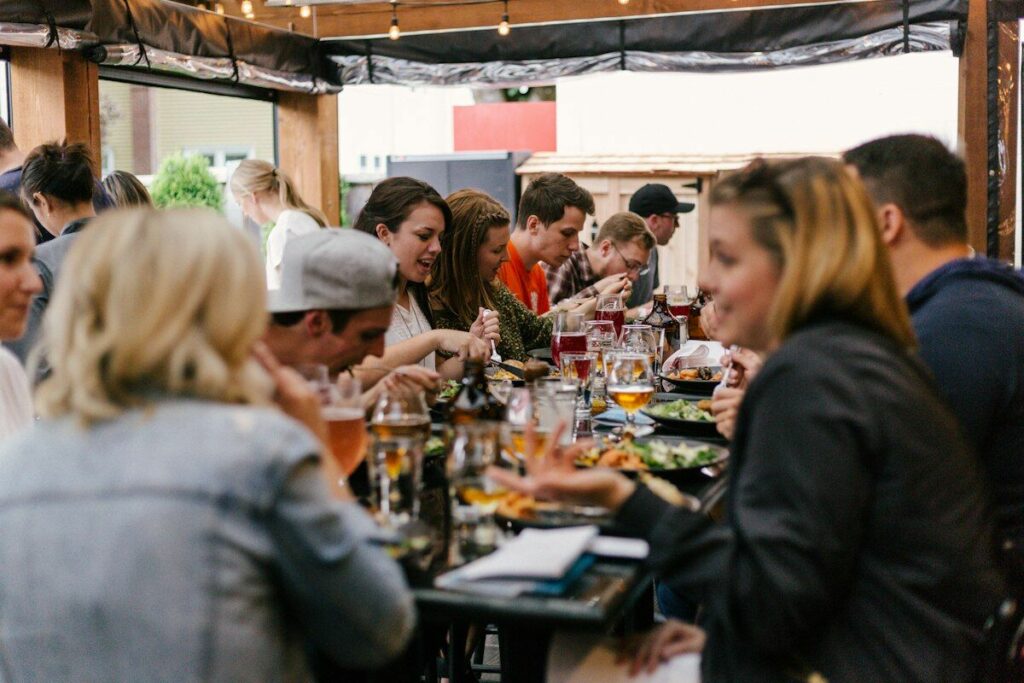
It is Saturday evening, and you just arrived at a friend’s dinner party. The aroma of freshly baked bread fills the room, the host pours a glass of wine, and appetizers line the counter. You want to relax and celebrate with your loved ones, but a quiet voice in your mind starts calculating numbers. You worry that one generous meal might erase an entire week of hard work in the gym. Fortunately, learning how eating healthy at dinner parties fits into your lifestyle does not require avoiding social invitations. You can be a gracious guest, enjoy every bite, and stay completely aligned with your long-term health goals.
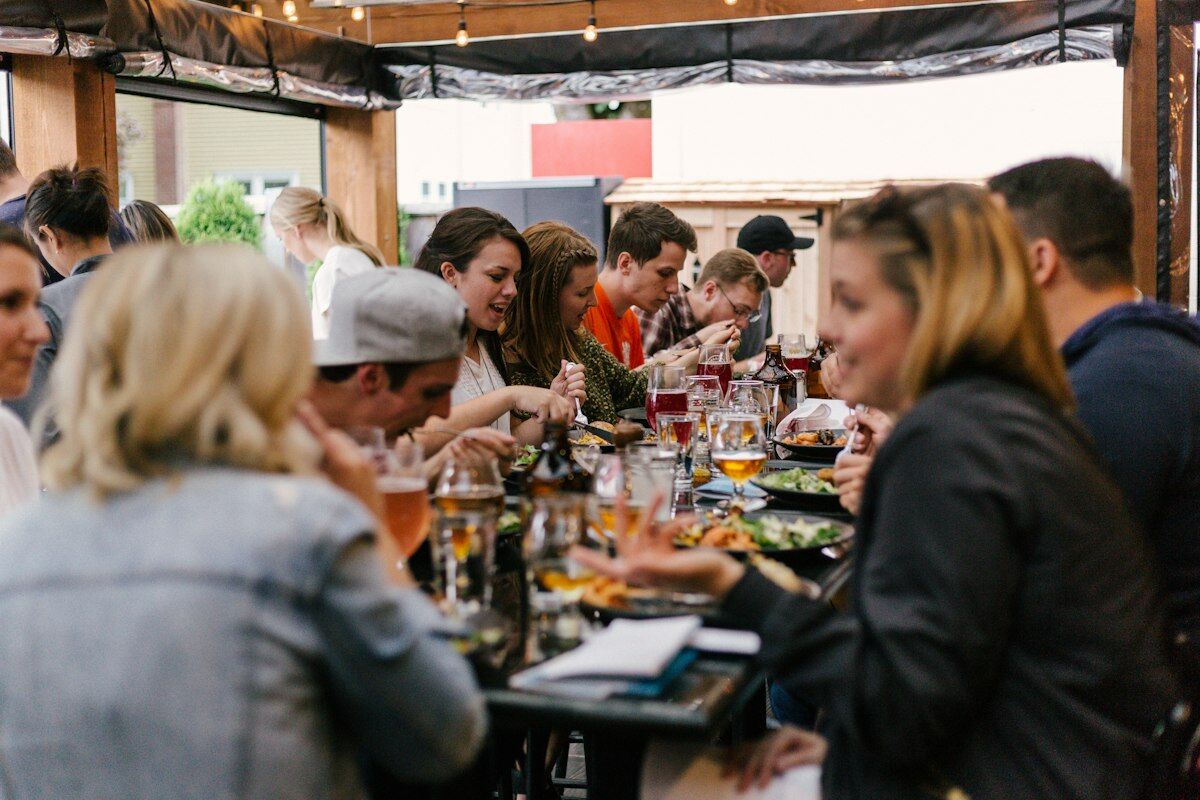
The Dinner Party Dilemma: Why One Night Feels High-Stakes
Many fitness enthusiasts fall into an all-or-nothing mindset. They stick strictly to their meal plans from Monday through Friday afternoon. When the weekend arrives, social events create friction between personal goals and hospitality. When someone cooks for you, turning down a dish can feel awkward. According to a study on social modeling of eating in the Journal of Health Psychology, people naturally match their food intake to the eating behaviors of those around them. When your host and fellow guests enjoy rich meals, social norms subtly encourage you to consume more than intended.
However, one social dinner does not destroy weeks of progress. Weight loss and body composition changes depend on your overall calorie balance across days and weeks, not a single snapshot in time. When you download Body Journey, you can use the Weekly Calorie View to see how a higher-calorie Saturday dinner easily averages out across seven days. Maintaining perspective helps you replace anxiety with smart strategy.
Building consistency also means recognizing that short-term fluid shifts after a sodium-rich meal do not equal fat gain. By pairing weekly calorie tracking with our comprehensive guide to progress photos and body transformation tracking, you can evaluate real physical changes over months rather than stressing over minor daily fluctuations.
Pre-Event Strategy: Calorie Banking and Satiety Anchors
Preparation is your most effective tool when eating healthy at dinner parties. Rather than arriving ravenous, structure your meals earlier in the day to create a buffer. This technique, known as calorie banking, allows you to save a portion of your daily energy budget for the evening host’s table.
Focus on high-volume, lean protein and high-fiber vegetables during breakfast and lunch. According to research on protein and satiety in the American Journal of Clinical Nutrition, consuming adequate protein triggers satiety hormones that keep your appetite stable for hours. Having a small Greek yogurt or protein shake an hour before leaving prevents you from arriving desperate for appetizers. If you want to explore more pre-event prep ideas, check out our guide on making healthy choices at social meals.
Before leaving home, open the Body Journey app to log your early meals. Having clear visibility of your remaining daily target gives you confidence before you sit down to eat.
Host-Friendly Table Strategies: How to Plate and Navigate the Menu
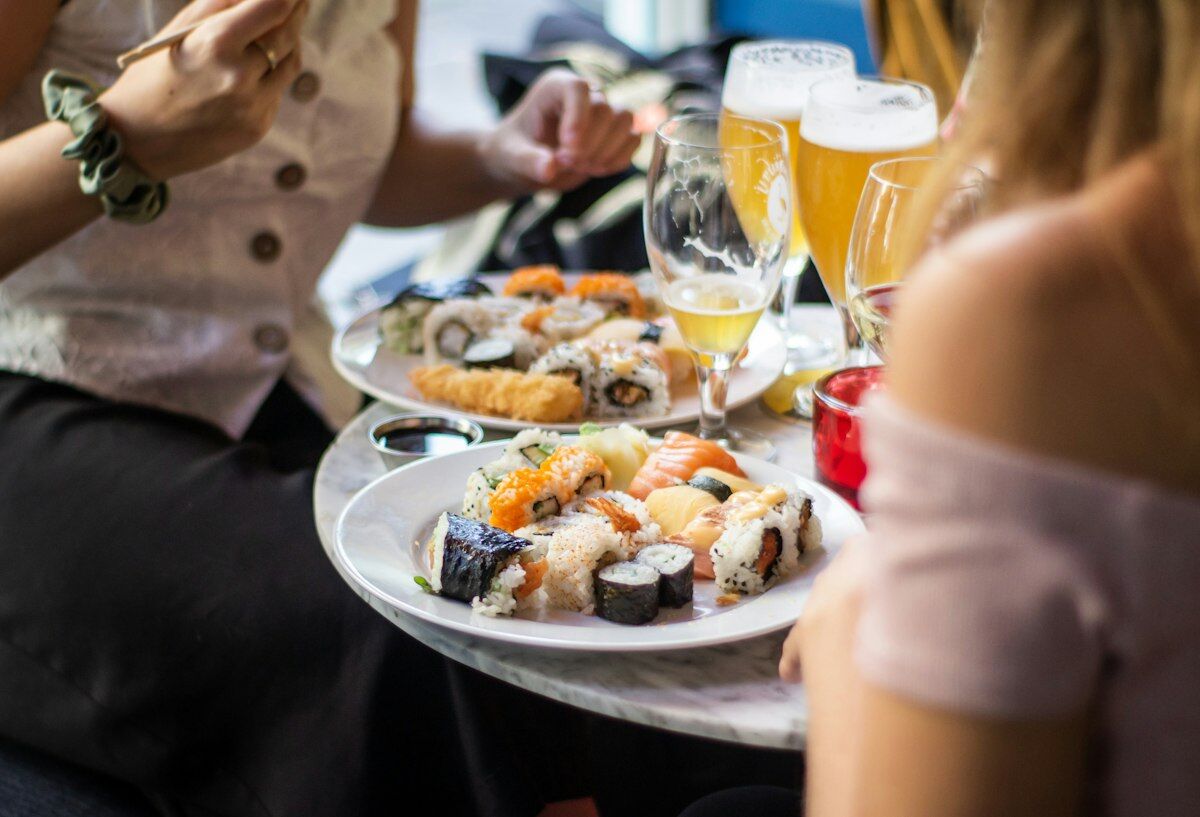
When you arrive at a dinner party, you do not need to demand a custom meal or bring your own container. You can be a wonderful guest while maintaining control over your intake through simple visual plating tactics.
Fill half of your plate with salad or roasted vegetables first. Next, add a palm-sized portion of the main protein item, such as roasted chicken, beef, or fish. Finally, reserve the remaining quarter of your plate for richer carb sources or signature sides. Research published in the Journal of the Academy of Nutrition and Dietetics shows that visual portion framing strongly dictates total energy intake. Creating a balanced plate visually reduces passive overconsumption without restricting your enjoyment.
If your host offers seconds or dessert, you can comfortably accept a smaller tasting portion or politely decline. To master polite deflections without making things awkward, read our tips on handling social pressure and food pushers. For dinners that take place at restaurants rather than homes, review our companion guide on dining out on a diet and shared plates.
When enjoying beverages, alternate wine or cocktails with glasses of sparkling water. You can easily track your fluid intake using the Water Tracker feature in Body Journey, ensuring you stay hydrated throughout the evening.
The Morning After: Resetting Without Punishment
What you do on Sunday morning matters far more than what you ate on Saturday night. The most damaging mistake people make after a social gathering is attempting extreme restriction, skipping meals, or forcing hours of intense cardio. This reactive behavior fuels an unsustainable cycle of guilt and overeating.
Instead, resume your standard routine immediately. Wake up, drink a large glass of water, and prepare a nutrient-dense meal rich in protein and fiber. Follow your breakfast with a brisk 20-minute morning walk to stimulate digestion and boost mental clarity.

Log your dinner using the Quick Add Calories feature in the Body Journey app to log an estimated entry. You do not need to guess exact ingredient weights down to the gram. Maintaining the habit of tracking is what keeps momentum strong. When you try Body Journey free, you will see how easy it is to keep your log consistent without added stress.
Your Dinner Party Game Plan Checklist
- Pre-load with protein: Eat a high-protein snack an hour before leaving home to keep hunger in check.
- Bank your calories: Keep earlier meals light with high-volume vegetables and lean protein sources.
- Build a balanced plate: Aim for half vegetables, one-quarter lean protein, and one-quarter sides.
- Hydrate between drinks: Alternate every alcoholic beverage with a full glass of water.
- Resume normal habits: Focus on hydration, wholesome nutrition, and a morning walk the next day.
Frequently Asked Questions
Should I fast all day before attending a dinner party?
Fasting all day is generally counterproductive because it leads to intense hunger. When you arrive overly hungry, your self-control decreases and you are far more likely to overeat appetizers and dessert. Instead, eat light, high-protein meals during the day.
How do I estimate calories for home-cooked meals I did not prepare?
Use simple estimations based on similar dishes. Select a standard restaurant or homemade entry in your tracking app, or use Quick Add Calories in Body Journey to log a reasonable lump sum. Consistency matters much more than perfection.
What is the best way to handle host pressure to eat second helpings?
Use a warm, appreciative deflection. Compliment the food enthusiastically and explain that you are completely satisfied for now. You can also ask to save a small portion to take home for lunch tomorrow.
Will a high-sodium dinner party meal ruin my progress photos?
Sodium causes temporary water retention, which can make you look slightly softer for 24 to 48 hours. This is fluid, not body fat. Drink plenty of water on Sunday, and rely on multi-week photo trends rather than day-after check-ins.
Balance Your Social Life and Fitness Goals
Living a fit lifestyle does not mean sacrificing the joy of dinner parties and gatherings with friends. By preparing ahead of time, plating mindfully, and keeping your weekly averages in focus, you can participate fully in every social occasion while making steady progress toward your goals.
Ready to build a balanced approach to your health journey? Get started with Body Journey today to track your nutrition, monitor weekly averages, and celebrate long-term transformation.