Protein Distribution: How Much Protein Can Your Body Use Per Meal for Muscle Growth?
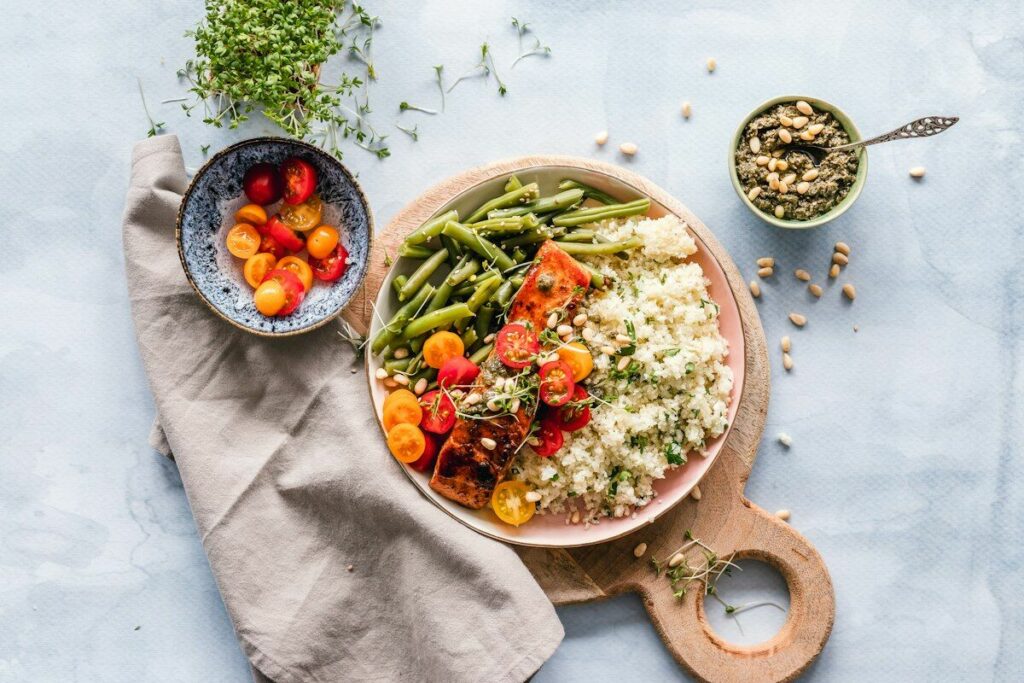
You hit your workout hard, eat healthy meals, and make sure to meet your daily protein target. But if you consume most of your protein in a single massive dinner while eating minimal protein at breakfast and lunch, you may be missing out on faster recovery. Maximizing muscle building requires looking closely at your protein distribution for muscle growth. Understanding how your body processes amino acids throughout the day ensures that every meal contributes directly to repair and progress.
The Science of Protein Distribution for Muscle Growth
To build and repair muscle tissue, your body relies on a physiological mechanism called muscle protein synthesis. Resistance training provides the physical stimulus for growth, but protein delivers the necessary amino acids to carry out the repair work. When you consume protein, your digestive system breaks it down into individual amino acids, which enter your bloodstream and signal your cells to build new muscle tissue.
However, your body cannot store excess amino acids for later muscle building the way it stores carbohydrates as glycogen or fat as adipose tissue. Instead, muscle protein synthesis operates like a light switch. To flip that switch to its maximum setting, you need a sufficient concentration of essential amino acids, particularly an amino acid called leucine, in a single meal.
According to research published in the Journal of the International Society of Sports Nutrition, consuming between 0.4 and 0.55 grams of protein per kilogram of body weight per meal across four meals optimizes daily muscle building. For a person weighing 180 pounds (82 kg), this translates to approximately 33 to 45 grams of protein per meal. Eating less than the threshold dose in a meal may fail to trigger maximum synthesis, while eating far more in one sitting simply gets used for energy rather than extra muscle growth.
- Key Mechanism: Essential amino acids, especially leucine, trigger the muscle protein synthesis pathway when a per-meal threshold is reached.
- Impact on Results: Spacing protein evenly throughout the day keeps your body in a net anabolic state for longer periods, accelerating recovery between workouts.
Practical Application: How to Optimize Your Daily Protein Intake
Knowing the science of protein distribution for muscle growth is the foundation, but putting it into practice requires a simple daily framework. By adjusting your meal structure, you can optimize muscle repair without complicated calculations. Here are three effective strategies to implement this week.
Strategy 1: Aim for 30 to 45 Grams of Protein Per Meal
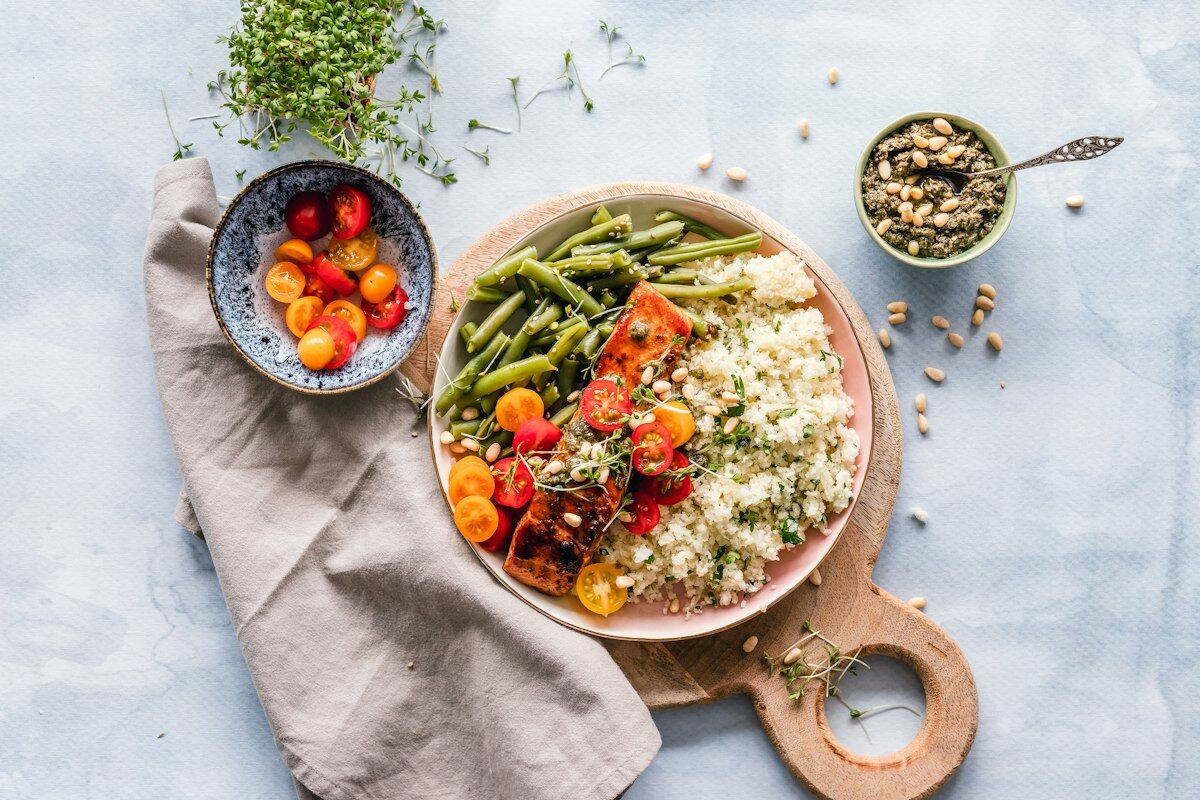
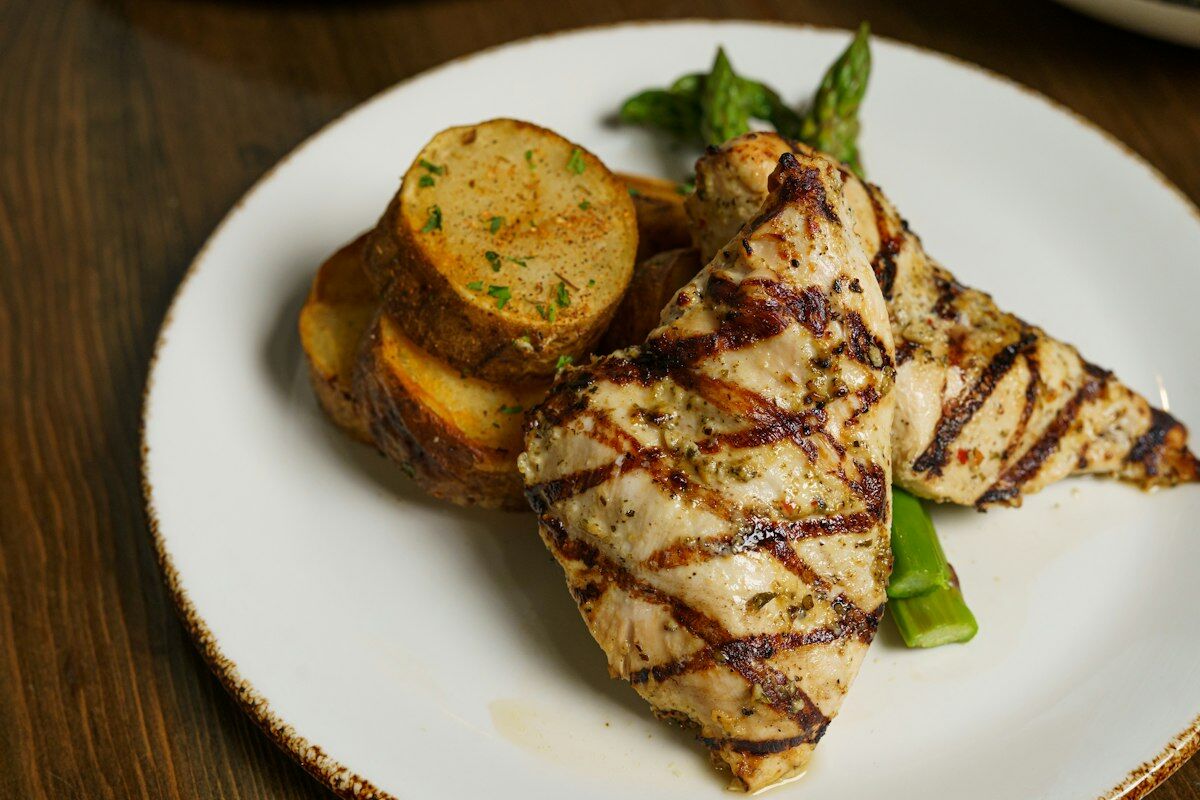
To ensure you reach the muscle protein synthesis threshold at every meal, structure your eating around 30 to 45 grams of high-quality protein. Good whole food options include chicken breast, salmon, lean beef, eggs, Greek yogurt, or tofu. Spacing these meals three to four hours apart provides your body with a steady supply of amino acids throughout the day.
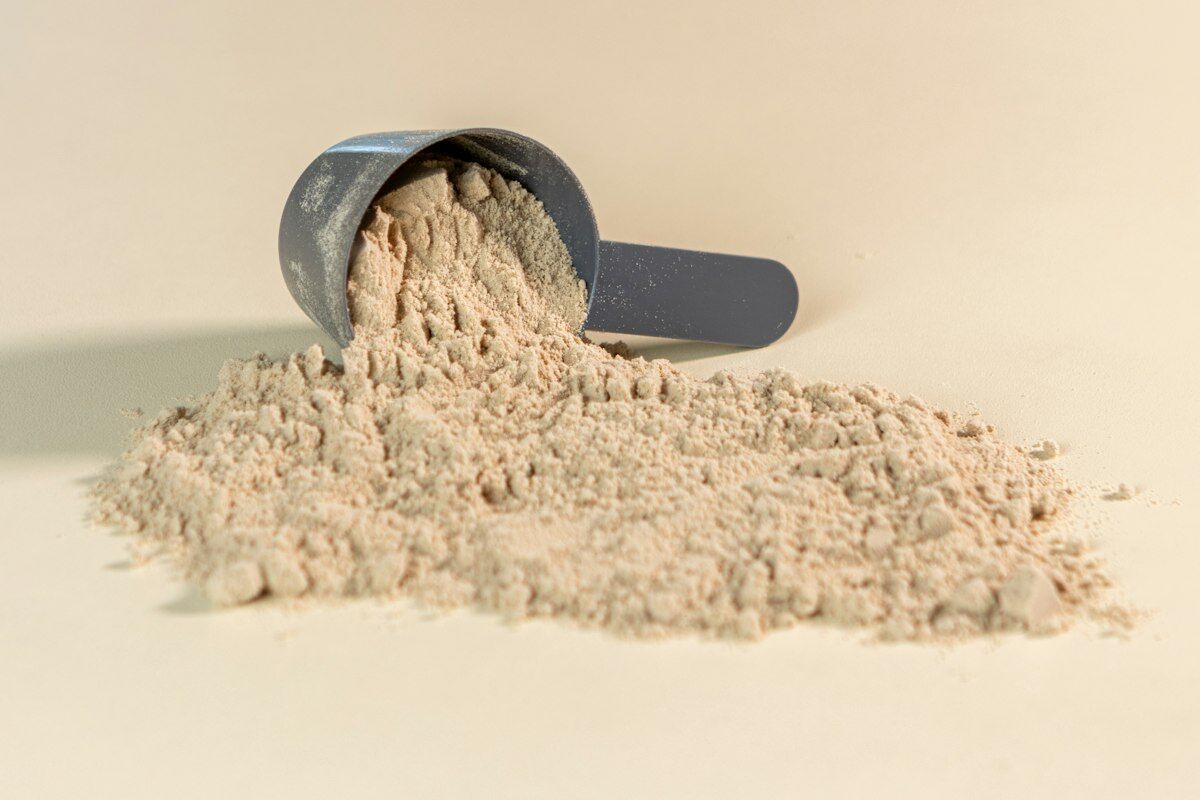
If you struggle to hit these numbers with whole food alone, incorporating a high-quality protein powder can help. This approach works seamlessly alongside your pre-workout nutrition strategy to ensure your muscles are primed for action.
Strategy 2: Evenly Space Your Meals Across 3 to 5 Feeding Windows
Rather than skipping protein at breakfast and eating a massive 80-gram protein dinner, aim to divide your daily intake evenly. Research from The Journal of Physiology demonstrates that ingesting 20 to 40 grams of protein every three to four hours stimulates muscle protein synthesis far more effectively than eating the same total amount in infrequent, huge doses.
A four-meal schedule might look like breakfast at 8:00 AM, lunch at 12:00 PM, an afternoon meal at 4:00 PM, and dinner at 7:30 PM. This schedule keeps your muscles in an optimal state for repair while preventing digestive discomfort.
Strategy 3: Prioritize Protein Before Bed for Nighttime Recovery
Your longest period without food occurs while you sleep. Consuming 30 to 40 grams of slow-digesting protein, such as casein or Greek yogurt, roughly 30 minutes before sleep provides a sustained release of amino acids throughout the night. This nighttime feeding prevents your body from entering a catabolic state while you sleep, complementing the restorative benefits covered in our guide on sleep and muscle recovery.
Common Protein Myths vs. Reality
Misconceptions about protein intake are widespread in fitness culture. Let us clear up the confusion with evidence-based facts.
- Myth: Your body can only absorb 30 grams of protein per meal.
- Reality: Your digestive system can absorb nearly all the protein you eat, but there is an upper limit on how much protein actively stimulates muscle tissue repair in a single sitting. Extra protein beyond that threshold is used for energy or other metabolic needs.
- Myth: Meal timing does not matter as long as you hit your daily total.
- Reality: Total daily protein is the most critical foundation, but proper protein distribution for muscle growth offers a distinct advantage for recovery and hypertrophy over time.
- Myth: Plant-based protein sources cannot build muscle effectively.
- Reality: Plant proteins support muscle growth just as effectively as animal sources when you eat sufficient quantities or combine sources to hit adequate leucine levels.
How Body Journey Helps You Track Your Fuel
Managing your protein distribution for muscle growth requires consistent daily tracking. The Body Journey app provides the tools you need to monitor your nutrition and see real results.
- Feature: Nutrition Logging
Track your exact protein grams at every meal throughout the day. Body Journey displays your macro distribution across meals, so you can easily see if your breakfast or lunch is falling short of your target threshold. You can learn more in our comprehensive guide to nutrition and macro tracking. - Feature: AI Food Logging
Snap a quick photo of your meal and let Body Journey estimate the protein content instantly. This makes tracking your per-meal protein targets effortless, whether you are eating home-cooked meals or dining out. Download Body Journey to try AI food logging today. - Feature: Daily Notes and Meal Reminders
Use the daily notes section to record how energetic you feel when following a structured meal schedule. Setting consistent feeding windows helps build healthy habits that last.
The Daily Protein Protocol
Use this straightforward protocol this week to optimize your protein intake and accelerate muscle repair:
- Calculate Your Daily Target: Multiply your body weight in pounds by 0.8 to 1.0 (or 1.6 to 2.2 grams per kilogram) to determine your total daily goal, supported by systematic research in the British Journal of Sports Medicine.
- Divide Into 4 Equal Meals: Split your daily total evenly across four meals spaced roughly three to four hours apart.
- Verify Per-Meal Thresholds: Ensure each meal contains 30 to 45 grams of protein to trigger muscle protein synthesis consistently.
- Log Progress in Body Journey: Track your meals daily in the app to maintain accountability and optimize your recovery trends.
Frequently Asked Questions About Protein Distribution
How much protein should I eat per meal for muscle growth?
Most adults need between 30 and 45 grams of high-quality protein per meal to trigger maximum muscle protein synthesis. This dose delivers the 2.5 to 3 grams of leucine required to activate the muscle building pathway.
What happens to excess protein if I eat more than 50 grams in a meal?
Your body digests and absorbs all the protein, but the portion beyond your muscle building threshold is oxidized for energy or converted into other compounds rather than building additional muscle tissue.
Is it bad to eat all my protein in one meal?
Eating all your protein in one meal will not harm your health, but it is less optimal for muscle hypertrophy. Distributing your protein across three to five meals keeps muscle protein synthesis elevated throughout the day.
Should I drink a protein shake immediately after my workout?
Consuming protein shortly after your workout is helpful, but the post-workout window is wider than once believed. Having a protein meal or shake within one to two hours of training is sufficient, as detailed in our guide on post-workout nutrition.
The Bottom Line
Training provides the physical stimulus for progress, but proper fuel drives the transformation. Optimizing your protein distribution for muscle growth ensures your body receives the raw materials it needs to repair tissue and build strength around the clock. Divide your daily protein goal into balanced, evenly spaced meals, hit your per-meal threshold, and keep your body in an optimal state for recovery.
Fuel Your Progress
Ready to take full control of your nutrition and workout results? Download Body Journey today to track your daily macros, log your meals with AI, and monitor your body metrics all in one place. Start fueling your progress with precision and experience the difference proper recovery makes.