Embarking on a physical transformation requires more than just hard work in the gym. To achieve long-term success, you must measure your efforts and understand how your body adapts over time. This is where fitness analytics becomes your most powerful tool. By tracking key body metrics and analyzing your training data, you remove the guesswork from your routine and make informed decisions that accelerate your progress.
Understanding the Role of Fitness Analytics in Modern Training
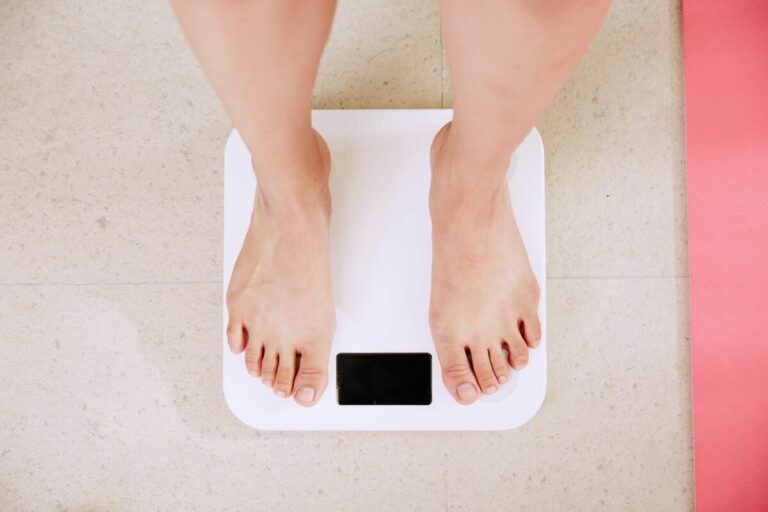
To optimize your workouts and nutrition, you must look beyond the bathroom scale. The scale only tells you your total mass, which fluctuates daily based on water retention, sodium intake, and glycogen levels. By contrast, advanced fitness analytics allows you to examine the underlying changes in your body composition. This is why the scale is lying to you when it comes to daily progress, and why a data-driven approach shifts your focus to actual muscle growth.
Tracking your metrics provides clear, objective feedback on whether your training plan is working. This is particularly valuable when combined with structured workout training and programming. You can see the incremental improvements in your strength, endurance, and body composition week by week. This objective feedback loop is essential for staying motivated and maintaining consistency over the long term.
Data tracking also helps you identify patterns in your energy levels and workout performance. When you correlate your sleep, nutrition, and stress levels with your lifts, you begin to see clear relationships. This awareness allows you to make proactive adjustments to your routine rather than reacting to setbacks after they occur.
Key Body Metrics You Should Track
To build a comprehensive picture of your fitness, you should monitor a variety of quantitative and qualitative metrics. Each metric provides a unique piece of the puzzle, helping you understand how your body is responding to your current lifestyle. Relying on a single metric is like trying to navigate a city with only one street name.
First, body composition measurements like body fat percentage and skeletal muscle mass are crucial. These metrics help you distinguish between weight loss and actual fat loss. Second, body circumference measurements provide a simple, cost-effective way to track changes in your physical shape. Measuring your waist, hips, chest, and limbs can confirm that you are losing fat and gaining muscle, even when the scale remains static.
Tracking these physical dimensions is particularly important because muscle occupies less space than fat. If you are gaining muscle while losing fat, your circumference measurements will change even if your weight stays the same. This visual and physical transformation is the ultimate goal of body recomposition, which standard scales cannot measure.
Additionally, tracking your cardiovascular recovery metrics is vital for longevity and performance. Monitoring these numbers helps you avoid the no days off myth and make rest a powerful tool in your schedule. Resting heart rate and heart rate variability are excellent indicators of your recovery status, helping you prevent overtraining.
The Science of Biometrics and Body Composition
Understanding the science behind your body metrics can help you make better training decisions. When you lift weights or perform cardiovascular exercise, you place stress on your body. Your body adapts to this stress by rebuilding muscle tissue and improving cardiovascular efficiency. However, these physiological changes occur at a cellular level and take time to manifest visually.
A systematic review of self-monitoring in weight loss published by the National Institutes of Health highlights that consistent tracking is the strongest predictor of weight management success. You can read the full study on PubMed. The researchers concluded that individuals who track their progress regularly are significantly more likely to achieve and maintain their goals. This demonstrates that tracking is not just about collecting data, but also about reinforcing positive habits and behaviors.
Furthermore, using technology to monitor your metrics can enhance your adherence to a routine. Research on heart rate variability tracking, which you can read on PubMed, shows that monitoring cardiovascular adaptations improves training efficiency. By visualizing your progress through charts and graphs, you build a stronger sense of control over your fitness journey. This data-driven reinforcement is a key driver of long-term compliance.
Muscle tissue is highly active metabolically, meaning it requires more energy to maintain than fat tissue. As you build skeletal muscle mass, your resting metabolic rate increases, helping you burn more calories even at rest. This scientific reality is why tracking muscle gains is just as important as monitoring fat loss for long-term health.
Establishing a Consistent Measurement Protocol
To ensure your fitness analytics data is accurate, you must eliminate as many variables as possible. Inconsistent tracking leads to noisy data, which can cause frustration and bad decision-making. Setting up a strict protocol helps you capture clean, reliable metrics.
Always measure yourself at the same time of day under identical conditions. The best time is first thing in the morning, immediately after waking up and using the bathroom, but before consuming any food or water. This approach minimizes the impact of daily digestion and hydration fluctuations. For safety, always perform your measurements in a comfortable environment to prevent muscle tension or elevated heart rate.
When tracking body weight, use a digital scale placed on a flat, hard surface, avoiding carpets that distort the reading. If you use a smart scale that estimates body fat via bioelectrical impedance analysis, ensure your feet are clean and dry. While these scales have limitations, their long-term trends are highly valuable for detecting composition shifts. You can learn more about bioelectrical impedance principles in this comprehensive review on PubMed.
Hydration levels have a massive impact on bioelectrical impedance measurements, as water conducts electricity differently than fat and muscle. If you are dehydrated, your smart scale may show an artificially high body fat percentage. Maintaining a consistent hydration schedule before taking measurements is crucial for ensuring the reliability of your data over time.

Analyzing Your Data to Prevent Plateaus
Once you have collected several weeks of data, you can begin analyzing the trends to guide your training. The key is to look at weekly averages rather than daily fluctuations. Daily weight swings of one to three pounds are entirely normal and are usually caused by water retention or glycogen storage.
If your weekly average weight remains unchanged for several weeks, but your waist circumference is decreasing, you are successfully undergoing body recomposition. This means you are building muscle and losing fat at the same rate, which is a major victory. Understanding this physiological process helps you ignore common metabolism myths that sabotage progress. The scale may fluctuate, but the combination of circumference measurements and photos will reveal your actual body composition changes.
However, if both your weight and measurements have stalled for more than four weeks, you may have reached a true plateau. If your strength metrics are also stalling, you may need to adjust your recovery time, training volume, or nutrition and macro tracking targets. Having a detailed history of your metrics allows you to make these changes based on logic rather than emotion.
It is also important to track your recovery metrics, such as muscle soreness and sleep quality, alongside your biometrics. If your resting heart rate is climbing and your sleep quality is dropping, your body may be indicating that it needs more rest. Paying attention to these subtle warning signs allows you to adjust your training intensity before you suffer from burnout or injury.
Integrating Body Metrics with Your Training Logs
To get the most out of your fitness analytics, you must connect your body metrics with your actual workout performance. This ensures you do not fall for the sweating myth or judge your sessions purely by how tired you feel. Tracking your workouts allows you to see how your body weight and composition affect your actual strength output.
For example, if you are in a caloric deficit to lose fat, tracking your strength helps you ensure you are maintaining your hard-earned muscle. If your strength remains stable or increases while your weight decreases, your fat-loss plan is highly successful. Conversely, if your strength begins to drop rapidly, it may indicate that your calorie deficit is too aggressive or your recovery is inadequate.
This is why keeping an integrated log is so powerful. By tracking your training alongside your body metrics, you can debunk cardio myths that hold you back. You might notice that your performance peaks when your sleep metrics are high, or that certain body weights correspond to optimal lifting leverage.
By reviewing your logs, you can also determine if your nutrition plan supports your performance. For instance, if you notice your strength dropping during your workouts, you might need to adjust your pre-workout meal timing or macronutrient distribution. This level of optimization is only possible when you connect your daily lifestyle data with your training results.
Turn Your Fitness Analytics into Visual Success
Building a structured tracking habit is easy when you have the right tools. Instead of using scattered spreadsheets or notes apps, you can consolidate all your metrics in one secure location. This allows you to combine physiological data with progress photo tracking. A unified system keeps your data organized and allows you to visualize your progress through clean, intuitive dashboards.
The Body Journey platform offers a complete solution for tracking your physical transformation. The app is fully optimized for both major mobile platforms, allowing you to log workouts and monitor body metrics seamlessly. You can download our application for iOS to experience custom workout logging and detailed progress charts. We also offer a complete fitness tracking experience on Android, ensuring you have access to your data wherever you go.
By analyzing your metrics consistently, you can stay accountable and motivated throughout your journey. When you see your strength lines climbing and your body measurements moving in the right direction, you build the confidence to keep pushing forward. Remember that consistency is the key to seeing actual results. You can always visit our blog homepage to find more fitness guides and science-backed articles.
Take Charge of Your Health Metrics Today
Your body is a complex system, but tracking your data makes it simple to manage. Do not let daily fluctuations or plateaus discourage you from achieving your goals. By focusing on long-term trends and utilizing fitness analytics, you can make intelligent decisions that guarantee your success.
Download Body Journey on the App Store to start tracking your workouts and body metrics today. Our application combines weight logging, custom workout tracking, and progress metrics in one simple, premium interface. We are committed to providing you with the tools and insights you need to train safely and effectively. Download Body Journey today and begin your data-driven transformation.