3 Free Weights vs. Machines Myths That Sabotage Your Gains
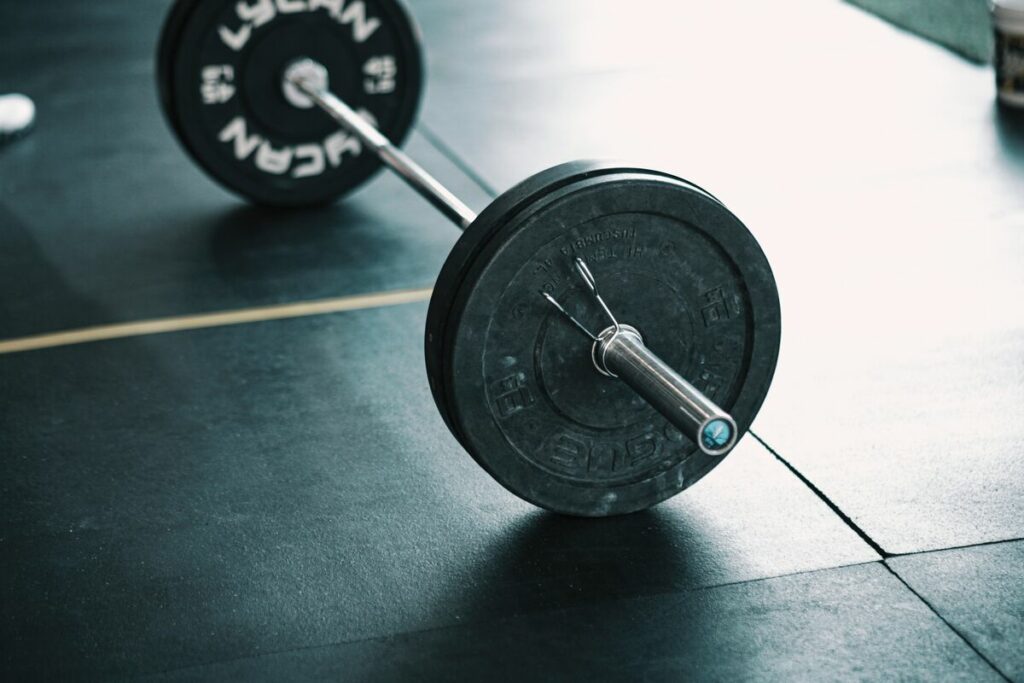
Deciding between free weights vs machines is a common gym dilemma. You might hear that dumbbells are the only way to build strength, or that machines are a waste of time. These beliefs are actually myths that stall progress. Understanding what science says about how these tools affect your body helps you train with confidence.
Choosing the right equipment does not have to be complicated. By looking at the facts, you can design an effective workout plan that fits your lifestyle. Let us look at the truth about free weights vs machines so you can maximize your results.
The Truth About Free Weights vs. Machines
Every exercise you perform is simply a tool to apply stress to your muscles. When your muscles experience tension, they adapt by growing stronger and larger over time. Whether that tension comes from a barbell or a machine pulley does not change the physiology of muscle growth. Both free weights vs machines have unique benefits, and the best training programs often combine both styles.
Understanding how strength adaptation works is the first step toward long-term success. This is different from common toning myths that advocate for lifting only tiny weights. To build definition, you need to challenge your muscles with meaningful resistance and allow them to recover.
Fact #1: Machines Are Not “Cheating” in the Gym
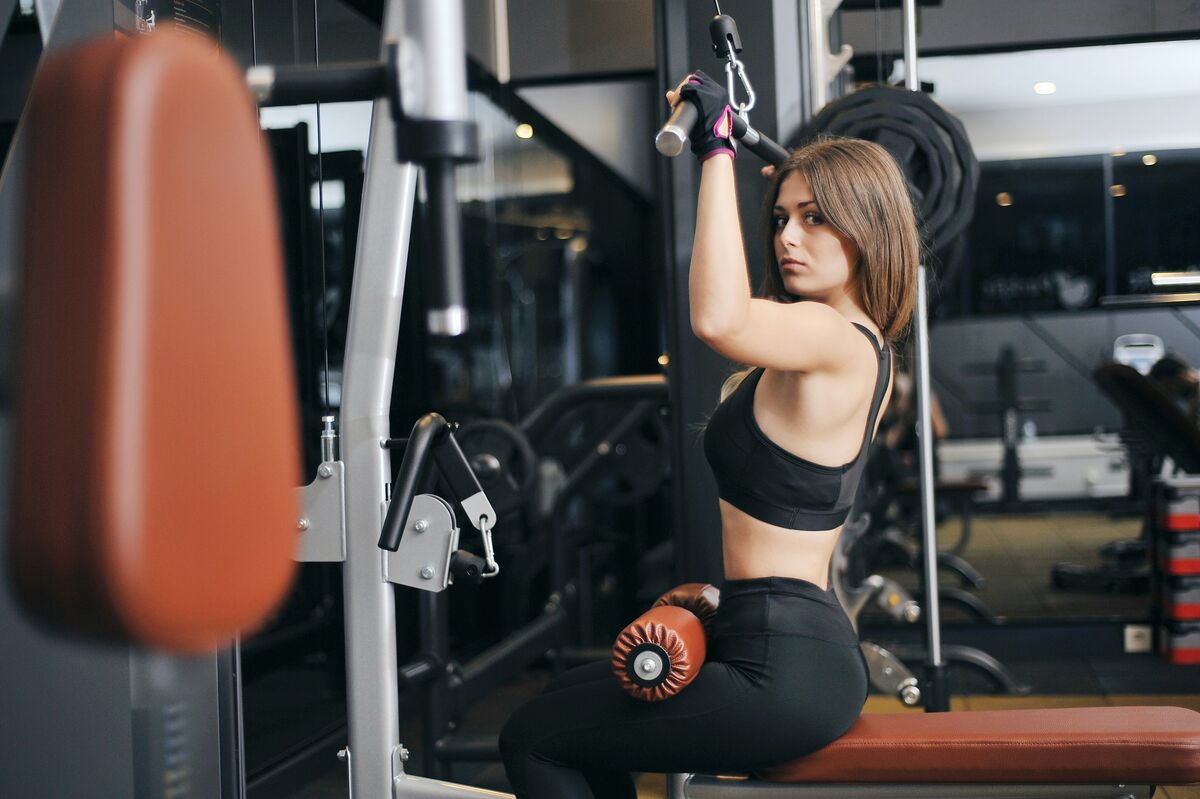
Many believe machines are inferior because they guide your path. Some lifters claim this is cheating since you do not have to balance the load. However, this stability is a major benefit. By supporting the weight pathway, machines let you focus entirely on challenging the target muscle to its limit.
This stability allows efficient muscle isolation. For example, during a leg press, your lower back does not limit how much your legs can lift. You can safely train close to muscular failure without losing balance. Studies confirm this focused approach is highly effective for building strength and mass.
- Key Takeaway: Machines eliminate balance needs, letting you isolate and exhaust target muscles.
- Action Item: Use machine exercises at the end of workouts to exhaust target muscles safely.
- Bonus Tip: Align your joint axis with the machine’s pivot point for optimal muscle recruitment.
How Body Journey Helps: Use Body Journey to record your machine settings and weight loads, making it easy to replicate your setup next time.
Fact #2: Free Weights Excel at Building Stabilizing Strength
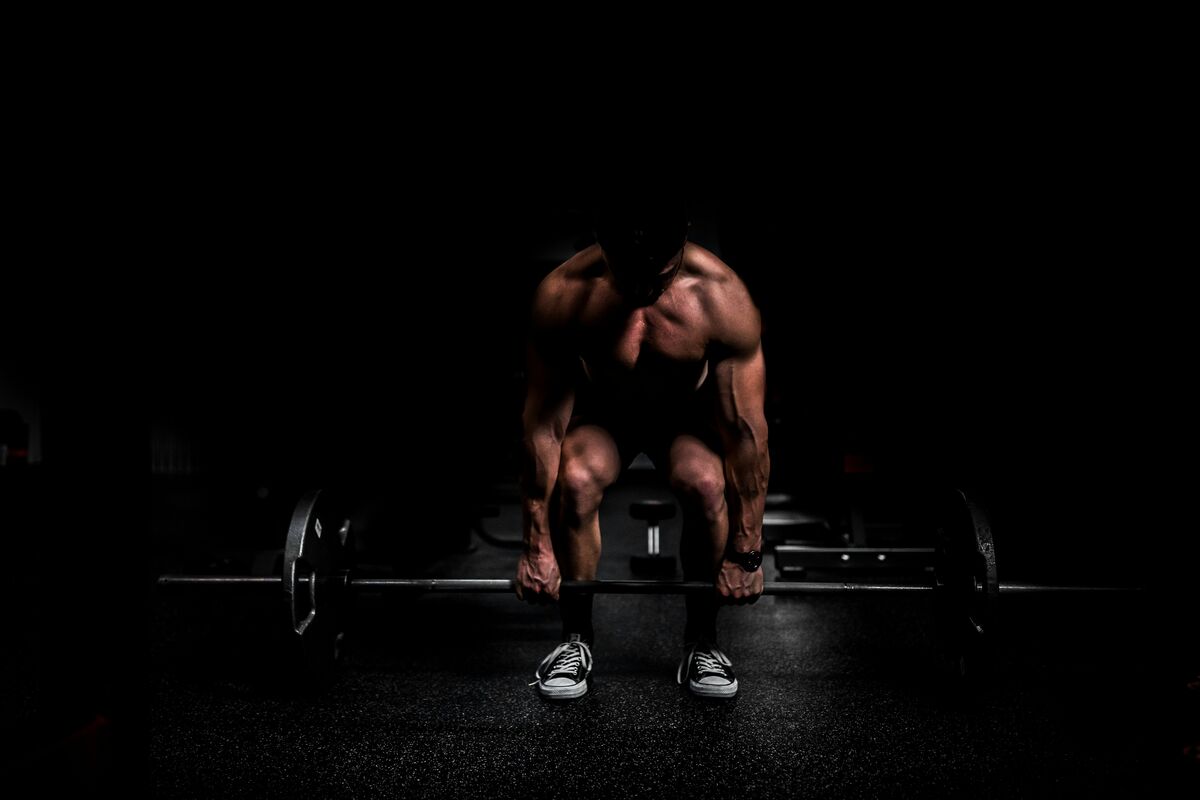
In contrast, free weights excel at building total body coordination. When lifting dumbbells or barbells, you must balance the load yourself. This forces your body to recruit stabilizer muscles to keep the weight moving along the correct path.
This stabilization is essential for functional strength. Performing a barbell squat requires much more core activation than using a smith machine squat. Free weights also allow your joints to move through their natural paths rather than a fixed track, which improves coordination.
- Key Takeaway: Free weights force you to balance, recruiting core and stabilizer muscles.
- Action Item: Place free weight compound movements at the start of your training session.
- Bonus Tip: Master your movement form with light weights before increasing the load.
How Body Journey Helps: Log your compound lifts in Body Journey to monitor your strength. Tracking your weights makes applying progressive overload simple and consistent.
Fact #3: Muscle Tension Matters More Than the Tool
Many believe free weights vs machines produce vastly different results. However, science tells a different story. According to a systematic review in BMC Sports Science, Medicine and Rehabilitation, muscle hypertrophy is identical between both modalities. Your muscles only respond to mechanical tension, not the type of equipment.
A study in the Journal of Strength and Conditioning Research confirmed that both methods yield similar muscle growth when training volume is matched. While strength gains are specific to the tool you practice with, overall growth remains the same. Choose the tool that best fits your goals.
- Key Takeaway: Hypertrophy depends on mechanical tension and effort, not the tool used.
- Action Item: Choose the equipment that allows you to train with the best execution.
- Bonus Tip: Start with free weights for compound strength, then use machines for isolation.
How Body Journey Helps: Track your training volume in the app to ensure your muscles receive the stimulus to grow. Learn more in our guide to fitness analytics, and remember that rest days are where growth happens.
Frequently Asked Questions
Are free weights better than machines for beginners?
Both work well. Machines help beginners learn movement patterns and isolate muscles safely. Free weights build core stability and coordination. Combining both provides the most balanced start.
Can you build as much muscle with machines as with free weights?
Yes. Studies show muscle growth is virtually identical between machines and free weights when training volume and effort are matched. Your muscles only respond to tension, not the equipment type.
Do machines reduce the risk of gym injuries?
Machines provide a guided path that helps maintain control, especially when lifting near failure. However, proper form and alignment remain essential to stay safe on both.
Should I lift free weights before or after using machines?
Perform free weight compound movements first because they require more energy and stabilization. Save machines for the end of your session to safely isolate fatigued muscles.
The Bottom Line
The debate between free weights vs machines is a misunderstanding of how muscle adaptation works. Both are highly effective tools that serve different purposes in a well-rounded routine. Focus on consistent progression, proper form, and high intensity rather than worrying about which tool is superior.
Take Action Today
Stop letting gym myths limit your fitness potential. By combining the stabilization of free weights with the isolation of machines, you can maximize your results. Download Body Journey today to plan your hybrid workouts, track your weights with precision, and watch your strength climb every single week.