Quad Focused Leg Day: Complete Hypertrophy Routine
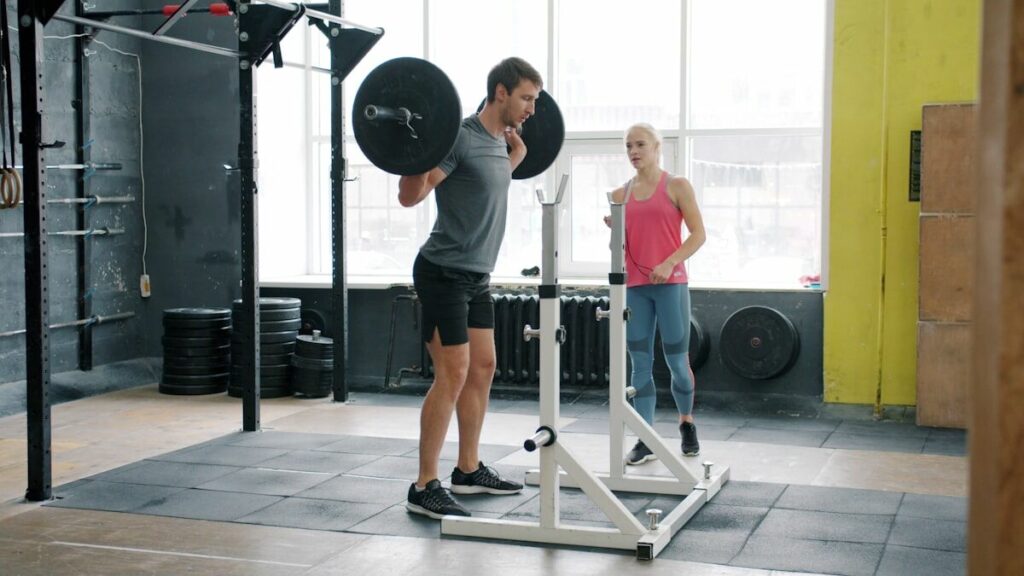
Many gym-goers struggle to build impressive quadriceps because their leg routines lack focus and proper exercise selection. When you follow a generic leg day, your stronger muscles like your glutes and hamstrings often take over, leaving your quads understimulated. A dedicated quad focused leg day is the ultimate solution to break through plateaus and sculpt defined, powerful legs. By structuring your routine around mechanical leverage and targeted isolation, you can force your quads to do the work and unlock new levels of growth.
Who This Quad Focused Leg Day Is For
This leg routine is designed specifically for intermediate and advanced training enthusiasts who want to prioritize the front of their thighs. If you have been lifting consistently but notice that your lower body growth has stalled, this program delivers the precise volume and mechanical tension required for growth. It is highly effective for balancing your physique if you have previously completed a posterior-focused glute and hamstring workout and want to ensure even development.
Because of the high compound demands and overall intensity, beginners should start with lighter weights and lower total volume. This workout requires standard gym equipment commonly found in commercial training centers. If you are training at home, we provide simple modifications so you can still apply similar training stress to your muscles.
- Fitness Level: Intermediate to Advanced
- Equipment Needed: Barbell, weight plates, squat rack, leg press or hack squat machine, dumbbells, leg extension machine, elevated heel block
- Time Required: 60 to 75 minutes
- Training Focus: Quadriceps hypertrophy and knee extension strength
Quad Focused Leg Day Program Overview
The science behind this quad focused leg day centers on progressive overload, deep joint flexion, and varying muscle lengths. To build maximum muscle mass, you must challenge your legs in both compound and isolated movements. According to research published in the European Journal of Sport Science, training muscles through a complete range of motion produces superior muscle growth compared to partial movements. This routine combines heavy compound lifts that load the muscles under stretch with high-rep isolation movements that create intense metabolic stress.
Tracking your training data is essential to ensure you are consistently moving forward. You can download the Body Journey app to log your weights, reps, and rest times. To understand how to structure this session within your weekly training split, refer to our core guidelines on workout training and programming.
Training Split: Perform this session once per week as part of an upper/lower or push/pull/legs split.
Frequency: One dedicated quad-dominant session per week, with at least 72 hours of recovery before any other lower body training.
Rest Between Sets: Rest 3 minutes for the heavy compound squat, 2 minutes for the machine presses, and 60 to 90 seconds for isolation work.
Warm-Up (5 to 10 Minutes)
A thorough warm-up is essential before loading your joints with heavy weights. For a quad-dominant session, you must lubricate your knee joints, prepare your lower back, and activate your core to maintain stability.
Dynamic Warm-Up Sequence
- Bodyweight Squats (Heels Elevated): 2 sets of 15 reps. Stand with your heels on a small weight plate to help you squat deeper and warm up your knees.
- World’s Greatest Stretch: 2 sets of 5 reps per side. A dynamic lunge with a torso rotation that opens up your hips and thoracic spine.
- Leg Swings (Front to Back): 2 sets of 15 reps per leg. Stand next to a wall and swing your leg to warm up your hip flexors and hamstrings.
- Bodyweight Reverse Lunges: 2 sets of 10 reps per leg. Step backward slowly to activate your leg stabilizers and increase local blood flow.
The Workout
Exercise 1: Barbell Back Squat (Heels Elevated)
Sets: 4 | Reps: 6-8 | Rest: 3 minutes
The barbell back squat is widely regarded as the king of lower body exercises. For a quad-dominant version, placing a small wedge or weight plate under your heels allows your knees to travel further forward over your toes. This forward knee travel increases the degree of knee flexion, shifting the mechanical tension directly onto the quadriceps rather than the glutes and lower back.
According to a peer-reviewed study on quadriceps muscle activation, deeper knee flexion angles are directly correlated with greater hypertrophy in the vastus lateralis and vastus medialis. Performing these heavy compound lifts first ensures you have maximum energy and focus to lift safely and intensely.
How to Perform:
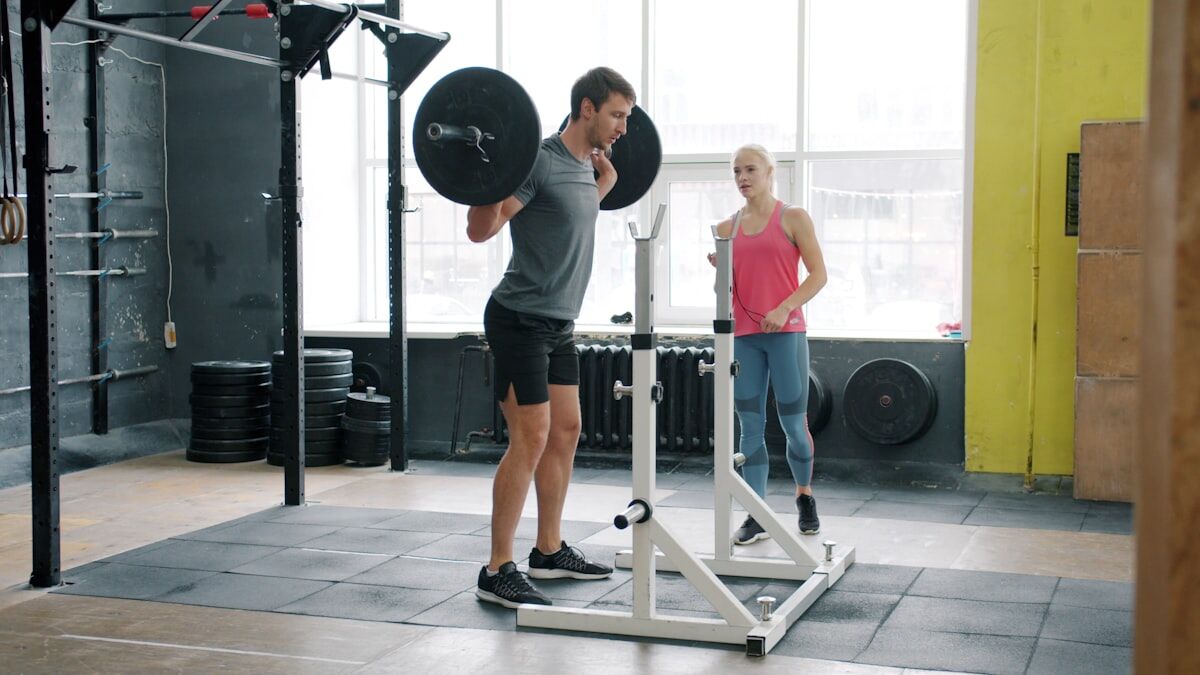
- Position the barbell across your upper traps, step back from the rack, and place your heels on an elevated wedge or plates.
- Set your feet shoulder-width apart, keep your chest high, and pull the bar down into your shoulders to brace your upper back.
- Take a deep breath, brace your core, and initiate the descent by bending your knees and hips simultaneously.
- Lower your body as deep as your flexibility allows, aiming to go below parallel while keeping your heels flat.
- Drive through your mid-foot to stand back up, keeping your chest pointing forward and extending your knees fully.
- Reset your breathing, brace your core again, and repeat for the next rep.
Form Cues:
- Keep your torso as upright as possible during the descent to maximize quad load.
- Push your knees forward and out in the direction of your toes.
- Maintain a flat, neutral spine and avoid letting your hips rise faster than your chest.
Modifications:
- Beginner: Goblet squat holding a dumbbell close to your chest while mastering the movement pattern.
- Advanced: Pause squat (holding a 2-second pause at the bottom of each rep to remove momentum).
Common Mistakes:
- Knees caving inward: This puts dangerous stress on your knee joints. Focus on actively pushing your knees out as you stand up.
- Leaning too far forward: This shifts the load to your lower back and glutes. Elevating your heels will help you stay upright.
How Body Journey Helps: Use Body Journey to track your weight and reps for back squats. The app makes it easy to monitor your progressive overload during your quad focused leg day and see if you are getting stronger over time.
Exercise 2: Hack Squat or Leg Press
Sets: 3 | Reps: 8-10 | Rest: 2 minutes
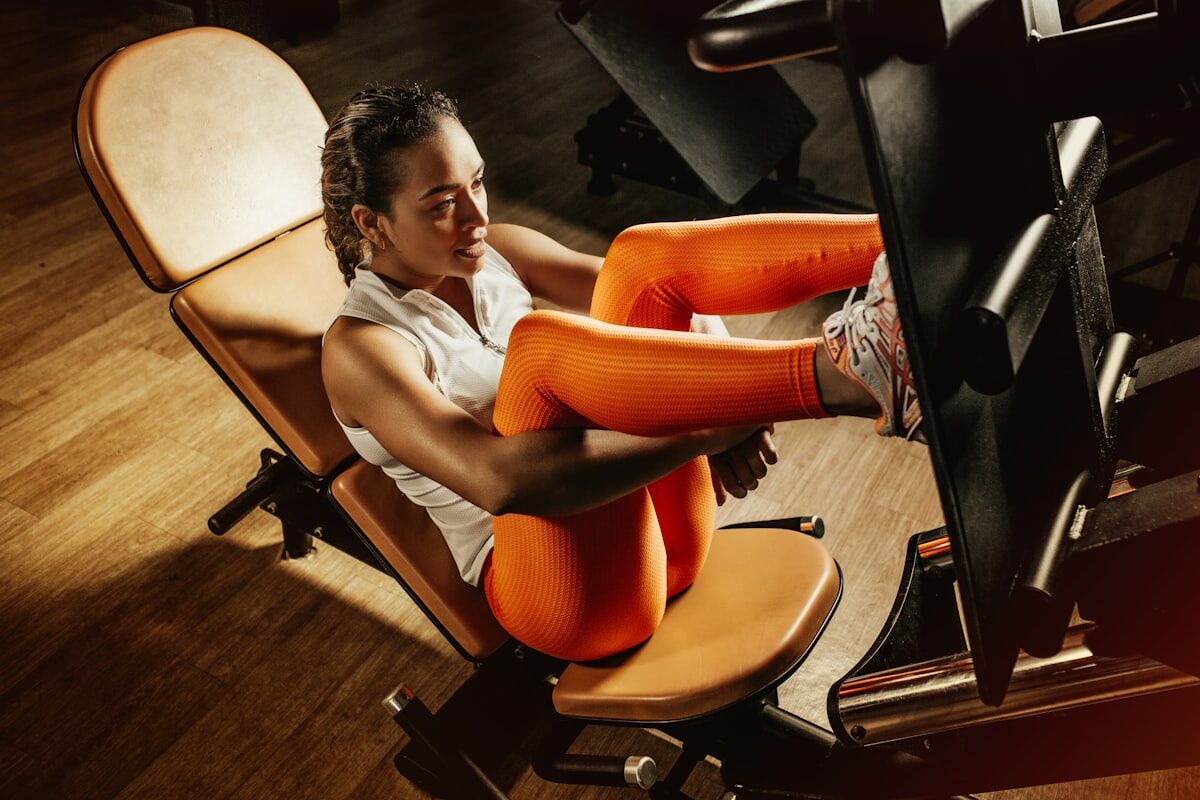
After the heavy barbell squat, we transition to a machine-based compound movement like the hack squat or leg press. These machines provide significant external stability, which means your core and stabilizers do not have to work as hard. This stability allows you to push your quadriceps closer to absolute muscular failure without your lower back or balance limiting your performance.
By placing your feet lower on the platform, you increase the angle of knee flexion at the bottom of the movement. This leg press foot placement shifts the focus away from your hamstrings and directly onto the front of your thighs for maximum stimulation.
How to Perform:
- Position yourself in the machine with your back flat against the pad and place your feet low on the sled, hip-width apart.
- Disengage the safety locks and lower the sled slowly under control toward your chest.
- Allow your knees to bend fully, descending until your thighs are close to your torso.
- Drive through your heels and mid-foot to push the sled back up to the starting position.
- Stop just short of locking out your knees at the top to keep constant tension on your quads.
- Reset and repeat for the prescribed number of reps.
Form Cues:
- Keep your lower back and hips pressed firmly against the pad at all times.
- Control the lowering phase, taking at least 3 seconds to descend.
- Keep your knees tracking directly over your feet throughout the movement.
Modifications:
- Beginner: Leg press with a higher foot placement and lighter weight to build confidence.
- Advanced: Drop sets (perform your target reps, immediately reduce the weight by 30 percent, and lift to failure).
Common Mistakes:
- Lifting your lower back off the pad: This happens when you descend too deep for your current hip mobility, placing dangerous stress on your lower spine. Only lower the weight as far as you can while keeping your hips flat.
- Short reps: Stopping the sled halfway down deprives your quads of the stretch they need to grow.
How Body Journey Helps: Log your machine settings (seat angle, foot placement) in your Body Journey workout notes to maintain consistency across every quad focused leg day training session.
Exercise 3: Dumbbell Bulgarian Split Squat (Quad-Biased)
Sets: 3 | Reps: 10-12 per leg | Rest: 90 seconds
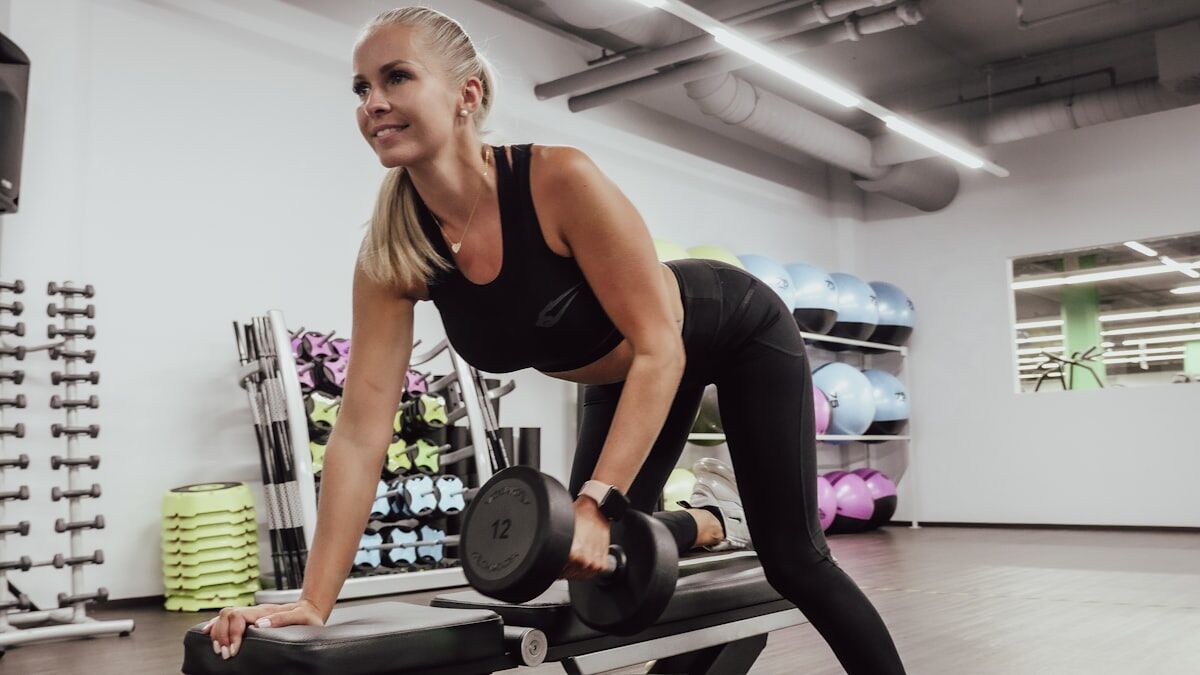
Unilateral training is essential for building a balanced lower body and correcting strength differences between your legs. The Bulgarian split squat is an incredibly potent movement for building the quadriceps. To make this exercise quad-biased, you must maintain a highly upright torso and take a slightly shorter step forward. This upright posture forces your front knee to travel forward over your toes, loading the quads under a deep stretch.
This is a demanding exercise that challenges both your balance and cardiovascular system. Focus on execution quality rather than rushing through the reps.
How to Perform:
- Stand about 2 feet in front of a flat bench holding a dumbbell in each hand.
- Reach one foot back and place the top of your foot flat on the bench behind you.
- Keep your chest high and torso upright, then lower your body by bending your front knee.
- Descend until your back knee is hovering just above the floor, allowing your front knee to travel past your toes.
- Push through the heel and ball of your front foot to stand back up to the starting position.
- Complete all reps on the first leg before switching to the other side.
Form Cues:
- Focus on descending vertically rather than leaning forward at the hips.
- Grip the floor with your front foot to maintain balance.
- Keep your shoulders retracted and back straight throughout the set.
Modifications:
- Beginner: Reverse lunges holding onto a rack for support until your balance improves.
- Advanced: Elevated front foot (place your front foot on a small bumper plate to increase the range of motion).
Common Mistakes:
- Leaning too far forward: Leaning forward at the waist shifts the load to your glutes, making it more like a posterior lower body hypertrophy workout. Keep your torso upright.
- Allowing the front knee to cave inward: This places undue stress on the knee joint. Actively push your knee outward as you descend.
How Body Journey Helps: Log your weights for each leg individually in Body Journey to track unilateral strength improvements on your quad focused leg day and avoid muscular imbalances.
Exercise 4: Leg Extension
Sets: 3 | Reps: 12-15 | Rest: 90 seconds
The leg extension is the only exercise in this routine that isolates the quadriceps without involving the glutes or hamstrings. The quadriceps consist of four muscle heads, and the rectus femoris is a bi-articular muscle that crosses both the hip and knee joints. Because of this anatomy, compound movements like squats and leg presses do not stimulate the rectus femoris effectively because the muscle length remains relatively constant.
A study in the Journal of Strength and Conditioning Research confirmed that leg extensions produce significantly higher activation in the rectus femoris compared to back squats. Including extensions at this point in the workout ensures complete quadriceps development.
How to Perform:
- Adjust the machine pad so it sits comfortably against your lower shins just above your ankles, and sit back firmly against the pad.
- Grip the handles on the side of the machine tightly and pull your hips down into the seat.
- Exhale and extend your knees to lift the weight, squeezing your quadriceps at the top of the movement.
- Hold the peak contraction for one second, then lower the weight slowly over 3 seconds to the start position.
- Avoid letting the weight plates touch at the bottom of the movement to keep constant tension on the muscles.
- Repeat for your target rep range.
Form Cues:
- Squeeze your thighs hard at the top of every rep to maximize muscle activation.
- Keep your hips locked into the seat and do not let your lower back arch.
- Pull your toes up toward your shins (dorsiflexion) to increase quadriceps tension.
Modifications:
- Beginner: Use a lighter weight and focus on a slow, controlled lowering phase.
- Advanced: Single-leg extensions to isolate each side, or perform 21s (7 partial reps from bottom, 7 from top, 7 full reps).
Common Mistakes:
- Using momentum: Swinging the weight up rather than lifting it with your muscles reduces the hypertrophic stimulus and increases joint wear.
- Lifting the hips off the seat: Letting your hips rise shifts the load off your quads. Keep your hips pinned down.
How Body Journey Helps: Track your rep tempo in Body Journey. Squeezing at the top and lowering slowly is the secret to getting the most out of this isolation lift on your quad focused leg day.
Exercise 5: Heels-Elevated Goblet Squat
Sets: 3 | Reps: 12-15 | Rest: 60-90 seconds
To finish off the quadriceps, we use the heels-elevated goblet squat. This exercise is performed with a lighter load and higher repetitions, targeting metabolic stress and maximum blood flow. Elevating your heels on a wedge or plate allows for an extremely upright torso posture. This alignment isolates the quadriceps and forces them to work under high fatigue at the end of the session.
Because the weight is held in front of your body, it acts as a counterweight, allowing you to squat deeply and safely even when your muscles are tired.
How to Perform:
- Stand with your heels elevated on a wedge or weight plate, holding a single dumbbell vertically in front of your chest.
- Keep your elbows tucked in, brace your core, and stand tall.
- Lower your body vertically, pushing your knees forward and keeping your torso upright.
- Go as deep as possible, letting your calves press against your hamstrings at the bottom.
- Push through your feet to return to the standing position, stopping just short of locking out your knees.
- Maintain a steady, continuous tempo without pausing at the top.
Form Cues:
- Keep the dumbbell touching your upper chest throughout the entire set.
- Keep your knees aligned with your toes and do not let them cave in.
- Maintain a slow, rhythmic tempo to maximize metabolic stress.
Modifications:
- Beginner: Bodyweight squat with heels elevated until you can perform the full range of motion.
- Advanced: 1.5 reps (descend fully, rise halfway up, descend again, and then stand fully to count as one rep).
Common Mistakes:
- Letting the elbows flare out: This can strain your upper back and shoulders. Keep your elbows tucked tight under the dumbbell.
- Rounding the lower back: Do not lose core tension at the bottom of the movement. Maintain a neutral spine.
How Body Journey Helps: Log your set completions and the intense quad burn in the app. Body Journey tracks your overall training volume to ensure your quad focused leg day yields continuous results.
Exercise 6: Standing Dumbbell Calf Raise
Sets: 4 | Reps: 15-20 | Rest: 60 seconds
To finish this lower body session, we address the calf muscles. The calves support your ankle stability during heavy compound lifts like squats and leg presses. Strong calves provide a solid foundation for all lower body movements and protect your Achilles tendon from injury.
By holding a dumbbell, you add simple progressive resistance to this high-rep finisher.
How to Perform:
- Stand tall with the balls of your feet on the edge of a weight plate or elevated block, holding a heavy dumbbell in one hand.
- Lower your heels slowly until you feel a deep stretch in your calf muscles.
- Pause for one second in the stretched position to eliminate tendon momentum.
- Press through your toes to raise your body as high as possible, contracting your calves.
- Hold the top contraction for two seconds, then lower down slowly.
- Repeat for your target reps.
Form Cues:
- Do not bend your knees during the calf raise; keep them straight but not locked.
- Pause at both the bottom and top of the movement to ensure the muscle does the work.
- Maintain balance and control on every single repetition.
Modifications:
- Beginner: Bodyweight calf raises on flat ground holding onto a wall for balance.
- Advanced: Single-leg dumbbell calf raises to increase the load on each side.
Common Mistakes:
- Bouncing the reps: Bouncing uses the elastic energy of your Achilles tendon rather than contracting the calf muscles.
- Partial range of motion: Skipping the deep stretch at the bottom reduces the effectiveness of the exercise.
How Body Journey Helps: Use Body Journey to log your calf raises. Tracking your calf volume in the app is just as important as tracking your compound lifts for a complete quad focused leg day.
Cool-Down and Stretching (5 to 10 Minutes)
After an intense quad focused leg day, taking the time to stretch will help lower your heart rate, reduce muscle tension, and speed up your recovery.
- Standing Quadriceps Stretch: Hold for 45 seconds per leg. Stand tall, bend your knee, and pull your foot toward your glutes, keeping your knees together.
- Kneeling Hip Flexor Stretch: Hold for 45 seconds per leg. Step forward into a lunge, drop your back knee to the floor, and push your hips forward.
- Standing Calf Stretch: Hold for 45 seconds per leg. Press your hands against a wall, step one leg back, and press your heel firmly into the floor.
- Seated Hamstring Stretch: Hold for 45 seconds. Sit on the floor, extend your legs forward, and hinge at your hips to reach for your toes.
Progression Strategy
To build muscle consistently, you must apply the principle of progressive overload. This means challenging your muscles to do slightly more work over time. If you use the same weights for the same reps every week, your body has no reason to adapt and grow.
Follow this 8-week progression plan to maximize your gains from this quad focused leg day:
- Weeks 1 to 2 (Technique & Baseline): Focus on mastering the full range of motion. Select weights that allow you to complete your sets with 2 reps in reserve (RIR 2).
- Weeks 3 to 4 (Load Progression): Try to add 2.5 to 5 pounds to your compound exercises (squats and leg press) while keeping your reps and sets the same.
- Weeks 5 to 6 (Intensity Peak): Push your sets closer to failure (RIR 1). If you can complete the top end of your rep ranges with good form, increase the weight in your next session.
- Weeks 7 to 8 (Deload and Recovery): Reduce your total sets by 50 percent and drop your weights by 20 percent. This recovery period allows your joints and nervous system to heal.
Tracking Your Progress: The best way to ensure progressive overload is by logging your workouts. Recording your sessions in Body Journey helps you visualize your progress and ensures you are moving forward week after week.
Recovery and Frequency
Your muscles do not grow while you are training; they grow while you are resting. The quadriceps are large, powerful muscles that require significant energy to recover. Ensure you eat enough protein and get quality sleep to support muscle tissue repair.
Allow at least 48 to 72 hours of recovery after this quad focused leg day before training your legs again. If you experience intense muscle soreness, engage in light active recovery like walking to promote blood flow and speed up healing.
Body Journey Tip: Use the Body Journey app to log how sore you feel and check your recovery metrics before starting your next workout.
Frequently Asked Questions About Your Quad Focused Leg Day
How often should I perform this quad focused leg day?
For most intermediate lifters, performing this routine once per week is ideal. You can pair it with a dedicated posterior-chain day (glutes and hamstrings) later in the week for balanced leg development.
Can I build my quads without squatting?
Yes, you can build impressive quads using alternative compound movements like leg presses, hack squats, and Bulgarian split squats. However, squats remain one of the most effective tools for building total leg strength.
Why do my knees hurt during leg day?
Knee pain usually indicates poor form, descending too quickly, or caving your knees inward. Ensure your knees track in line with your toes, control the lowering phase, and elevate your heels to reduce joint pressure if needed.
Should I do cardio on the same day as my quad workout?
It is best to avoid intense cardio immediately before or after heavy leg training. Cardio can deplete your energy levels and interfere with the muscle-building signals generated by your workout.
The Bottom Line
Building powerful, defined quadriceps requires a dedicated approach that combines heavy compound movements, deep knee flexion, and targeted isolation. By focusing on proper form, controlling the weight, and applying progressive overload, this routine provides everything you need to transform your legs. Consistency is key; execute every set of your quad focused leg day with focus and watch your legs grow.
Start Your Transformation Today
Ready to build stronger, more defined legs? Download Body Journey today to log every set, track your progressive overload, and visualize your progress. Stop guessing and start tracking your fitness transformation now.